
Mercy Language and Moral Limits
The Good Nurse: A True Story of Medicine, Madness, and MurderThis thread explores how claims of mercy, patient suffering, and the fantasy of benevolent intervention collide with the facts of Cullen’s crimes.
increasing Bearing strength in each event
 decreasing
Bearing strength in each eventdecreasingThe Burn Ward’s Hard Arithmetic
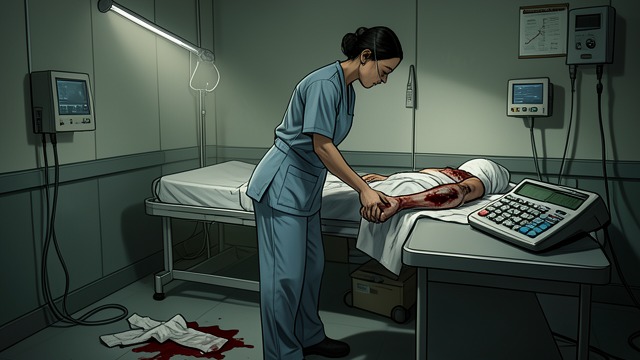
The Burn Ward’s Hard Arithmetic
Survival Is Estimated
Burn nurses used calculations such as the Rule of Nines to estimate mortality and decide where scarce hope might be invested. The figures helped make devastating injuries clinically legible.
Care Still Matters
Even when survival appeared unlikely, nurses treated pain, cleansed wounds, and supported patients through repeated operations. The work involved acknowledging limits without deciding that a patient’s life no longer belonged to them.
The distinction between prognosis and authority is central. Knowing that someone may die does not grant a caregiver permission to cause that death.
A Claimed Intervention
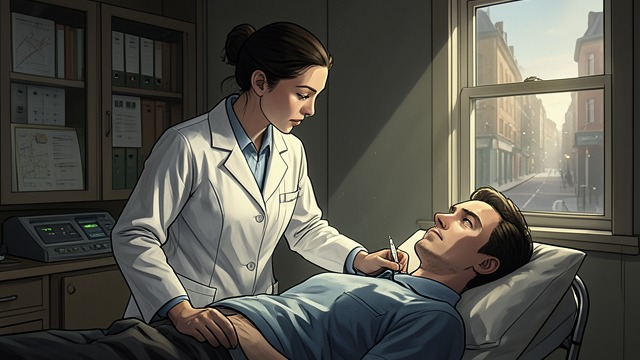
A Claimed Intervention
A Narrative of Relief
Cullen described some patients as very ill or unlikely to recover and portrayed his actions as interventions. His wording suggested that he saw himself as acting within a medical logic rather than committing murder.
Patients Were Not His to Decide
Many patients were not at the point of death when Cullen harmed them, and their families had no opportunity to consent. His private judgment displaced the patient’s and clinician’s right to decide about treatment.
The mercy narrative fails because it substitutes Cullen’s will for the choices of the people whose lives he altered. The book examines his explanation without accepting it as a moral defense.
A Family’s Exclusion
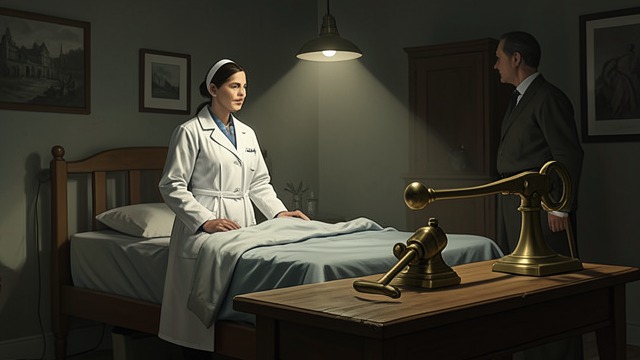
A Family’s Exclusion
Gall’s Sister Asks Questions
Lucille Gall challenged aspects of her brother’s treatment and remained vigilant at his bedside. Cullen disliked her involvement and waited until she was absent before acting against her brother.
Consent Is Circumvented
The family had no knowledge that Florian’s digoxin had been stopped or that a new, unauthorized dose would be administered. His death was initially recorded without the information that would have prompted an immediate demand for an autopsy.
This was not a debate about mercy between patient and family. It was a secret act that removed their ability to make informed choices and understand what had happened.
The Prosecutors’ False Choice

The Prosecutors’ False Choice
Motive as a Tactic
During interrogation, detectives offered Cullen a choice between a sexual motive and a mercy-killing motive. They hoped the alternatives would provoke him to explain himself or claim a more acceptable identity.
Neither Story Settles the Facts
The proposed categories were tools of questioning rather than verified accounts of Cullen’s motives. They risked reducing a complex pattern to familiar stories that did not capture the full harm.
The investigation could establish that Cullen had killed without knowing exactly why. The absence of a clear motive did not weaken the victims’ right to recognition or the seriousness of the crimes.
A Kidney Cannot Redeem a Murder

A Kidney Cannot Redeem a Murder
A Real Medical Benefit
Cullen’s donated kidney gave Ernie Peckham a chance to live beyond dialysis. The benefit to the recipient was concrete, whatever Cullen’s inward reasons may have been.
A Separate Moral Account
The donation could not undo the deaths of patients or erase Cullen’s responsibility. Families were entitled to reject the implication that one life-saving act settled the debts created by many murders.
The book keeps the donation and the crimes in separate moral frames. A person can do something helpful without becoming absolved, and a beneficiary can accept life without endorsing the donor’s past.
1987
1990s
June 2003
December 2003
2005 to 2006
