Charles Cullen and Amy Loughren’s friendship and coworker relationship
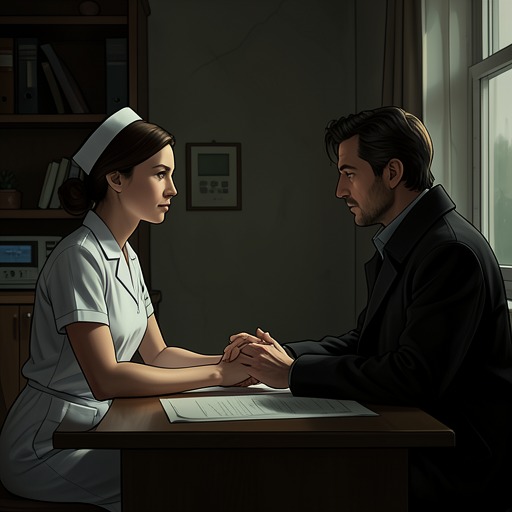
The Good Nurse: A True Story of Medicine, Madness, and MurderCharles Cullen and Amy Loughren’s friendship and coworker relationship developed on the overnight shifts at Somerset Medical Center, where humor, shared work, and private confidences made Cullen seem to Amy like a trusted friend in need of protection. Its decisive reversal came when a Pyxis record connected him to a patient’s death: Amy had to confront the possibility that the man she trusted was also the nurse harming patients, and ultimately help investigators examine what he had done.
A friendship formed on night shifts
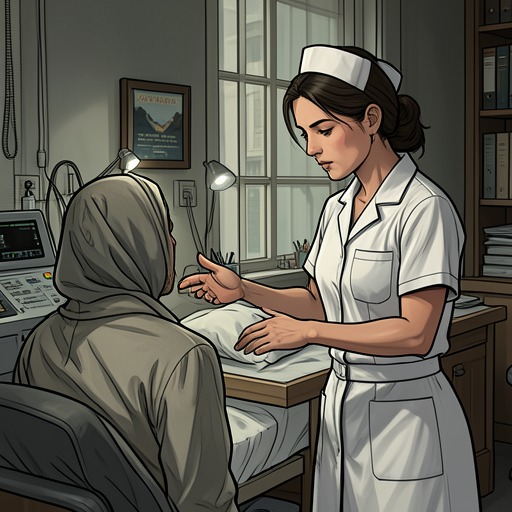
Cullen joined Somerset Medical Center’s cardiac care unit in September 2002 and quickly became a valued night nurse. He arrived early, worked efficiently, and often had patient checks and intravenous preparations underway before other nurses had finished settling into their shifts. Amy Loughren, one of the nurses whose schedule frequently overlapped with his, was outspoken and candid; Cullen was quiet at first. As they spent long nights waiting at the Pyxis machine and working through patient care, their exchanges grew into a friendship.
Their rapport rested partly on a comic rhythm. Cullen sent Amy dramatic eye rolls about laborious reports and made dry remarks about hospital bureaucracy. After the immediate work was done, he told stories about depression, bad luck, and feeling bullied. Amy laughed and responded with the maternal attention he seemed to welcome. The book describes her as someone who had emerged from an abusive childhood with a defiant manner but a lasting struggle with trust. She guarded her private life from many people, yet Cullen came to feel like an exception: she felt safe with him, and believed he needed her protection in return.
Amy’s trust was not romantic. She was single, but sensed that Cullen understood she was not interested in him that way. He paid attention without making advances, and his quietness drew her in. She recognized in him a fellow keeper of secrets. His oddities did not initially undermine her confidence: she regarded him as eccentric but serious about nursing, and admired his efficiency and attention to patients.
Care, humor, and private confidences
The friendship grew through small, repeated acts as well as conversation. Cullen completed his own work and then looked for Amy, whose tendency to procrastinate and run late made his technical skill useful to her. He was often available to help, and Amy relied on him. The work itself was demanding: the unit’s humor served as a buffer against grief, and Cullen was particularly good at making her laugh in the small hours. His stories ranged from the indignities of his years in the United States Navy to difficulties with his girlfriend. Amy called the recurring account of that relationship the Charlie and Cathy Show.
Cullen also paid attention to Amy’s health. In October, he found her leaning against the nurses’ station and helped her into an empty room. Amy explained that she was struggling to breathe and believed she had a serious heart condition. She had diagnosed advanced atrial fibrillation associated with chronic sick sinus syndrome; her heart’s irregular rhythm was interfering with the circulation of oxygenated blood. The moment revealed another layer of their closeness: Amy disclosed a grave secret, and Cullen listened without judgment.
He returned with diltiazem, a mint-green pill, and told her to rest while he handled her patients. He also assured her that he could keep a secret. Amy continued working, often balancing her own failing health against the demands of her patients. Her cardiomyopathy went unchecked until she collapsed at work in February and was taken to the emergency room; she would need a pacemaker and a leave of absence. Cullen’s attention had seemed protective and reassuring. The account places the beginning of his patient poisonings around the time Amy became ill, but Amy did not know of any connection between her illness and his actions.
Trust against warning signs
Amy’s belief in Cullen endured even as the unit’s atmosphere changed. She questioned a new insulin sign-out procedure because she thought nurses were being asked to estimate vial contents inaccurately, and she demanded to know why the protocol had changed. Management did not explain the reason. Amy wondered whether something had happened to patients, but she did not connect the new rules with the increasing number of emergency codes, much less suspect Cullen. She considered him an extraordinary nurse and was glad to see his name on the schedule; when her own heart condition made work harder, his willingness to help seemed to give her another way to keep going.
That trust also shaped how Amy understood his habits. Cullen moved his portable Cerner PowerChart away from the nurses’ station and worked in relative privacy; she took this for a preference for quiet. She knew he was unusually attentive and eccentric, not that his position and helpfulness could give him access to incoming drugs. Later, revisiting the routine in memory, Amy recognized that he often stood by the hallway doors and received the pharmacy runner’s delivery tote. What had looked like a considerate way of stocking the unit now suggested a way to obtain medication without using Pyxis. Her realization changed the meaning of ordinary gestures after the fact; it did not mean she had understood them while they were happening.
The friendship breaks under investigation
When police interviews began, Amy was frightened that she might herself be implicated. Other nurses knew she was Cullen’s friend and remembered her dispute over the insulin procedure; rumors about the investigation spread through the unit, and some coworkers avoided her. Amy worried about her nursing license and wondered whether a mistake or missing medication might involve her. Her initial response was not to volunteer for the investigation: she delayed interviews and feared the consequences of getting involved.
The decisive break came when a detective showed her a Pyxis printout from the night Reverend Gall died. Amy recognized Cullen’s record. The document did not make her instantly certain of everything, but it made it possible for her to imagine that he had done something terrible. The contradiction was the point: the evidence belonged to the trusted friend she had defended, and she knew the patient had died. At home, she struggled to reconcile the record with her understanding of him. Given her history of betrayal and difficulty trusting others, the discovery reopened a personal wound as well as a professional and moral crisis.
Amy also had to decide whether to risk her job and deceive Cullen and her employer. She understood that investigators might be mistaken, and that Cullen was her friend while the detectives were strangers. Her hesitation makes clear that cooperation was not a simple change of allegiance. It meant acting against a bond she had regarded as unusually safe, while remaining uncertain about what the evidence proved.
From confidante to investigative partner
Amy’s role changed as she examined the records and reconsidered what she had seen. She brought investigators paperwork and pointed them toward the Cerner patient records, which they would need in full. Her understanding of the unit’s routines helped her identify how Cullen might have obtained drugs outside the Pyxis system: she had once interpreted his encounters with the pharmacy runner as helpfulness, but now saw how those deliveries could give him access. That insight emerged through her review of familiar work practices, not through an earlier suspicion of her friend.
The personal cost persisted. Amy feared being fired by the institution she was helping to investigate and felt isolated by having broken ranks. She continued to meet with Tim Braun and Danny Baldwin after shifts, sharing coffee and handing over paperwork; seeing them work made her feel less alone. Her participation thus grew out of the same attentiveness and nursing knowledge that had once supported her trust in Cullen, redirected toward understanding the evidence against him.
The relationship’s final documented shape is neither a return to friendship nor a simple account of betrayal resolved. Amy becomes a confidential helper to investigators while still carrying the history of affection, dependence, and trust that made the evidence so difficult to face. Cullen’s apparent care for her and his willingness to take over her patients coexist with the possibility that he was poisoning patients during the same period. The contrast gives their bond its central significance: what Amy experienced as protection made the revelation more painful, while her eventual willingness to question that experience helped her assist the investigation.