Depression
The Good Nurse: A True Story of Medicine, Madness, and MurderDepression is a recurring condition in Charles Cullen’s life, described through isolation, suicidal behavior, and his efforts to contain or display suffering rather than through a single turning point. It shapes his relationship with Adrianne Cullen and is temporarily eased during his stay at Greystone Psychiatric Hospital, but the book offers no lasting resolution. His pain is real in the account; it is also bound up with drinking, withdrawal, and a demand for recognition that increasingly harms the people closest to him.
Early Isolation and Bereavement
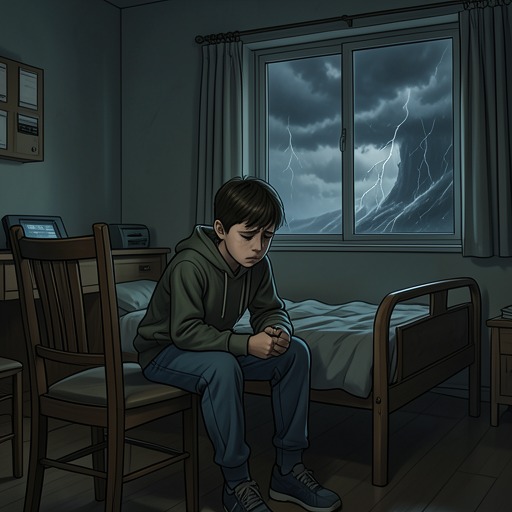
The narrative reaches back to Cullen’s childhood to show a longstanding estrangement from ordinary life. He remembered feeling incompetent and humiliated at Catholic school, disconnected and alone in the wider world, and so depressed that he sometimes refused to go to school or move. At those times he wanted only to stay at home with his mother. He also imagined his death in heroic terms: in a recurring dream, he was a celebrated figure who died as a martyr, only to wake as a child who felt like nobody. The contrast joins despair to fantasies of importance without suggesting that one simply explains the other.
His mother’s death in December 1977 intensified that distress. After she died in a car accident, Cullen went to Mountainside Hospital looking for her. Staff told him that she had died and her body had been taken away; he felt they had lied to him. The book connects this experience to a suspicion of hospitals that he would carry forward, while making clear that his anger and grief were not relieved by the explanations available to him. He turned again to suicidal behavior. The resulting hospital stay brought his first psychiatrist, but Cullen was not willing to talk. The episode establishes a pattern: acute suffering leads him toward self-harm and medical care, yet the encounter does not at once make that suffering communicable or manageable.
Suicidal Behavior and the Search for Containment
Cullen’s suicidal behavior began before adulthood. At nine, he mixed chemicals from a church charity-box chemistry set with milk and made himself sick. After his mother’s death, another attempt led to psychiatric care. Later, while serving in the Navy, he repeatedly announced or enacted suicidal crises. On January 13, 1984, after drinking a bottle of cleaning fluid, he reported to the sick bay of the USS Canopus and told a medic he had drunk poison and felt unwell. It was his third such announcement since joining the service and his third ambulance trip to a psychiatric ward. These episodes show recurrence rather than a single crisis, and they sit alongside the depression the book describes without reducing one to the other.
Greystone Psychiatric Hospital provided a marked, but temporary, change in conditions. The old facility’s thick stone walls, structured days, therapy, medication, and quiet surroundings offered Cullen insulation from work, romance, and familiar triggers. During his stay he felt less stressed and, in a limited sense, happy. He spoke about himself in therapy, where his concerns received attention and validation; psychological phrases gave him a way to contain what he called his demons. The account leaves open whether this calm reflected a temporary reprieve or a deeper change. The approaching end of his stay makes the limit plain: the respite belonged to a sheltered setting, not to a demonstrated recovery that would endure outside it.
Drinking, Marriage, and the Display of Pain
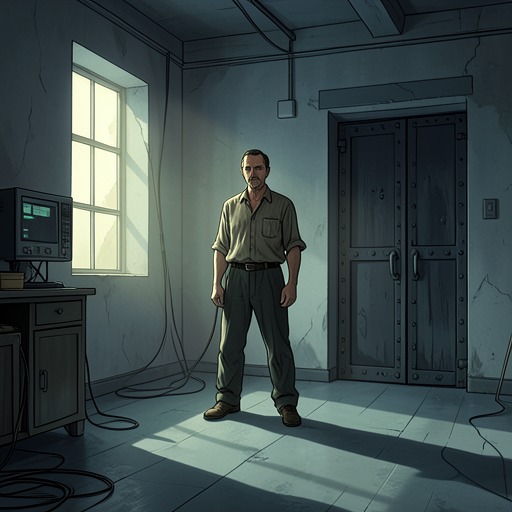
By October 1987, Cullen and Adrianne had bought a small, dark house in Phillipsburg. Their work schedules often kept them apart, and Adrianne felt increasingly alone, but the narrative treats that circumstance as only part of the strain. Cullen had presented his history of depression and alcoholism openly while they were courting. His apparent self-knowledge led Adrianne to believe he understood and controlled his problems; she did not realize that he had begun drinking again. He hid alcohol in a Navy footlocker in the basement boiler room, locked the room, and drank alone. For him, that enclosed space became a retreat in which he could drink and think without his wife present.
After the birth of their second daughter, Saskia, Adrianne could no longer ignore the drinking. Cullen first denied it, then tried to make Adrianne’s discovery of the bottles the issue, and finally acknowledged drinking while insisting it was not a problem. He said he was depressed but did not want antidepressants. Adrianne saw drinking and depression feeding each other: in her view, alcohol made his depression worse, while the family remained caught in the resulting conflict. Attempts to speak with him while he was drunk led to fights he might not acknowledge or remember the next day. When she tried to confront him sober, he withdrew to the basement. Her efforts to prompt change, including leaving his old Alcoholics Anonymous books out, instead produced anger, avoidance, or another retreat to drinking.
The book also describes Cullen turning his suffering into demonstrations intended to draw care and sympathy from Adrianne. He arranged for her to hear him inquire about burial costs from a funeral parlor. In another episode, he staged an apparent overdose by falling from the couch with pills spilled around him; Adrianne stepped over him to take a magazine. He then collected the pills one by one and held on to the hurt of feeling ignored. The episode conveys both his wish to have his pain recognized and the growing failure of these displays to bring the response he wanted. The more he tried to make Adrianne care for him in this way, the more the account says she came to hate him.
Limits of the Account
The book portrays depression as persistent and consequential, but it does not turn the condition into an all-purpose explanation for Cullen’s conduct. It shows childhood isolation, bereavement, repeated suicidal behavior, drinking, and withdrawal as parts of his history, while also tracing how his actions affected Adrianne and their family. In his own view, his suffering was profound and misunderstood; Adrianne experienced the same household through secrecy, confrontation, and exhaustion. Those perspectives do not cancel each other out, and the narrative does not treat recognition of Cullen’s pain as proof that his conduct was harmless.
Nor does treatment appear as a simple cure. Psychiatric care followed a suicidal crisis, and Greystone brought a period of calm, but the narrative does not claim that either ended the underlying distress. At home, Cullen resisted the treatment Adrianne sought and made his suffering visible through gestures that damaged their relationship rather than repairing it. Depression therefore remains both a personal state and a pressure within family life: something he experiences intensely, something others cannot readily reach, and something the book depicts without allowing it to excuse the consequences of his choices.