Pat Medellin
The Good Nurse: A True Story of Medicine, Madness, and MurderPat Medellin was a nurse at Saint Luke’s Medical Center whose decision to report her suspicions beyond the hospital helped reopen scrutiny of Charles Cullen. When the hospital dismissed her concerns about unusual deaths and closed its inquiry into Cullen, Medellin carried what she knew to an acquaintance in law enforcement, turning an internal concern into an investigation that spread through Pennsylvania authorities.
Nursing Role and Concerns
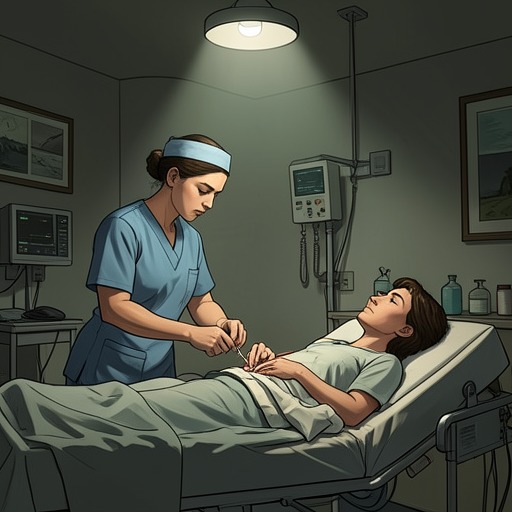
Medellin had seen unusual deaths on her unit at Saint Luke’s. She had also seen Cullen marched out of the hospital for diverting dangerous medications. In her judgment, those facts belonged together: she felt certain Cullen was responsible for the deaths and pressed the administration to act.
The hospital gave her a contrary assurance, telling her Cullen had not harmed any patients. Its investigation was closed. That answer did not settle the matter for Medellin. The gap between what she had observed and what the institution was prepared to acknowledge became the point at which she chose to take the concern elsewhere.
Taking the Concern Outside the Hospital
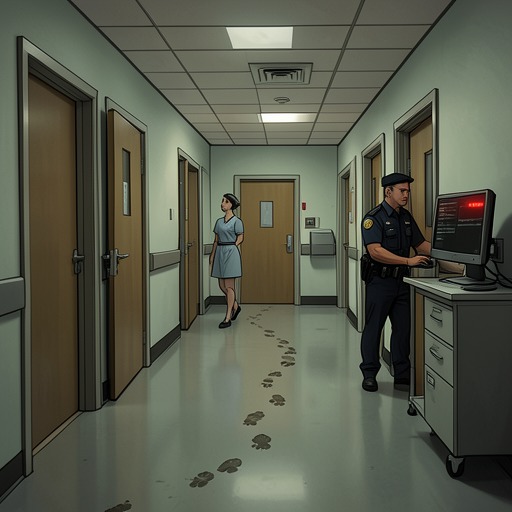
On August 29, 2002, Medellin stepped out and told her story to an acquaintance who worked as a police officer with the Easton Police Department. The account describes a chain of escalation: the officer told his captain, the captain brought the matter to the coroner, and the coroner carried it to the Lehigh County District Attorney’s Office.
From there, Pennsylvania state troopers called Saint Luke’s staff members in for questioning. Their accounts of deaths on the night shift were described as strikingly consistent. Medellin did not herself conduct the subsequent inquiry, but her report provided the route by which suspicions that had been contained within the hospital reached investigators outside it.
Significance in the Investigation
Medellin’s role rests on a consequential refusal to accept institutional closure as proof that the concern had been resolved. She had connected a pattern of unusual deaths with Cullen’s presence and the hospital’s action over medication diversion; when the administration denied that patients had been harmed, she sought an independent hearing for her account.
The sequence also distinguishes her from the investigators who followed. Medellin supplied the initial report, while police, the coroner, prosecutors, and state troopers widened the inquiry through successive handoffs. In the book’s account, that first step matters because the hospital’s closed investigation had not ended the questions. Medellin’s decision carried them beyond the institution and into a formal investigation of Cullen and the deaths at Saint Luke’s.