They that wait upon the Lord shall renew their strength
The Good Shepherd“They that wait upon the Lord shall renew their strength” is a biblical expression that George Krause recalls while standing through the pain and exhaustion of an extended night at sea. It gives spiritual form to his effort to remain awake, but does not erase the bodily cost: his feet, muscles, and joints ache, and he stands because sitting down would mean falling asleep.
The Expression in Context
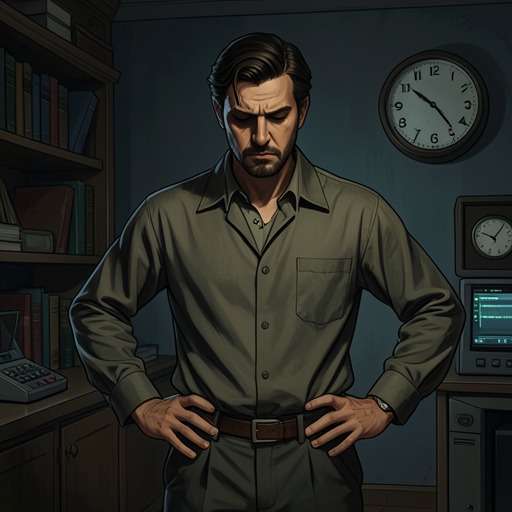
The words occur as Krause forces himself to stay upright in the pilothouse while Carling directs Keeling on patrol around Cadena and Viktor. Krause has resolved to send a message asking for help, but fatigue threatens his ability to remain at his post. Knowing that sitting down would put him to sleep, he continues standing despite the pain. The biblical expression comes at the limit of that effort, joining an inward appeal to a practical act of endurance.
The scene makes the promise deliberately tangible. Krause does not describe a sudden recovery or escape from fatigue; immediately after recalling the words, he insists that he must not sleep and keeps standing. The expression accompanies endurance rather than replacing it. Its renewal is presented as something hoped for while the body is still protesting.
Earlier Tests of Bodily Limits
The phrase gains resonance from earlier moments when physical strain and responsibility intersect. On the exposed bridge, Krause faces a freezing forty-knot wind without his sweater, gloves, or scarf. When he puts on the sheepskin coat, its cold fabric makes him shudder and his teeth chatter. The episode shows that command does not exempt him from the conditions imposed on the crew; even a brief exposure can overwhelm his body.
The strain is also operational. While Keeling searches for an enemy submarine, sonar operator Tom Ellis must interpret echoes despite having had no real encounter with a submarine since his training. The narrative emphasizes how fatigue, inexperience, and pressure can impair precise work. Krause’s later endurance belongs to this wider concern with human limits under sustained wartime demands, not simply to a private contest of will.
Rest, Duty, and Meaning
Krause’s attention to rest extends beyond himself. He cancels a routine call to general quarters so the watch below can receive a full four hours of rest unless an emergency occurs. Keeling’s shortage of trained ratings has required the crew to work watch-and-watch in Condition Two, while additional weapons and instruments have further strained the ship’s living space. His decision treats rest as an operational necessity as well as a consideration owed to his men.
Against that background, the expression does not endorse limitless exertion. The contrast is between Krause’s attempt to keep himself awake at a moment when he believes the command cannot be left unattended, and his effort to spare the crew an unnecessary interruption of sleep. The words draw together faith, bodily vulnerability, and duty: they offer a language of hope, while the scene leaves no doubt that endurance remains painful and materially constrained.