
Corruption as a Social System
The Government InspectorThis thread develops the play's critique of an administration in which misconduct is normalized, concealed, and reproduced through hierarchy.
increasing Bearing strength in each event
 decreasing
Bearing strength in each eventdecreasingThe Rule of Custom
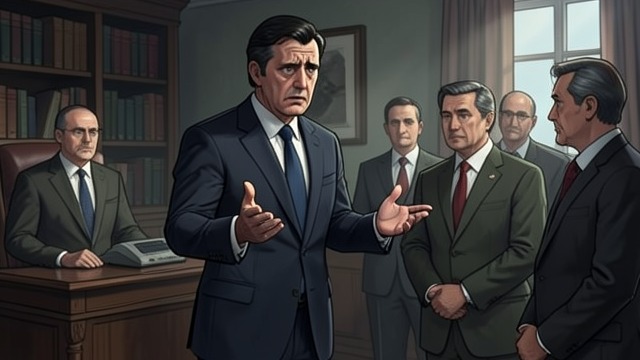
Wrongdoing Made Ordinary
The Mayor's defense
Anton Antonovich Skvoznik-Dmukhanovsky says that everyone has sins and treats the arrangement as part of how the world works. His language makes corruption sound natural rather than chosen.
Rank limits the offense
The talk of taking no more than one's rank suggests a system with informal boundaries but no commitment to honesty. The play begins its critique in the officials' own casual explanations.
Departments Run on Shortcuts
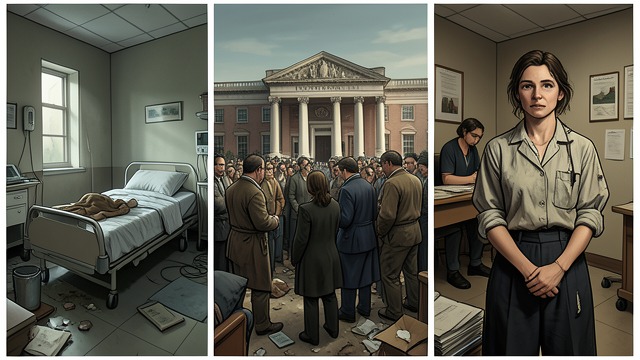
Public Services Hollowed Out
Neglect described plainly
The hospital limits medicine, the courthouse is disorderly, and the school system worries about teachers' appearances. The Mayor's instructions focus on what an inspector might see.
The system protects itself
Each defect is treated as a presentational risk rather than a harm to residents. Institutional failure is ordinary enough that officials discuss it without surprise.
The Bribe Repeated
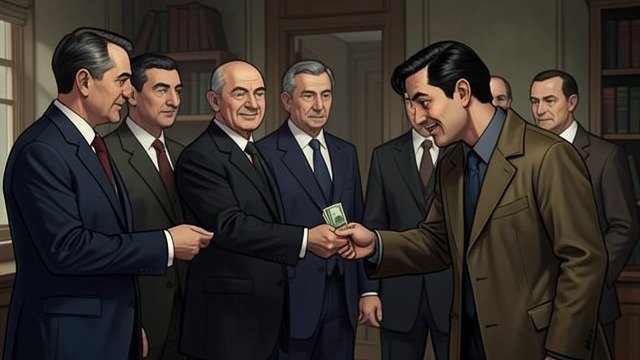
Corruption Without a Plan
Payments happen separately
The officials visit Khlestakov one at a time and hand over money as loans. They do not need a conspiracy; established habits tell them how to respond to perceived power.
The false inspector exposes a real custom
Khlestakov's identity is mistaken, but the officials' willingness to pay is not. Their behavior reveals a system that can reproduce itself even in an absurd encounter.
Residents Bear the System
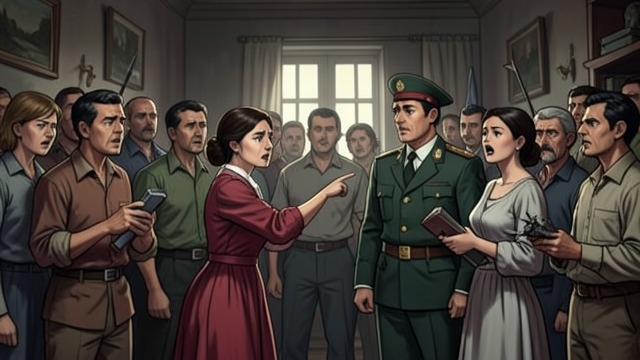
Costs Beyond the Offices
Ordinary people name harm
Merchants recount extortion, while Fevronya Petrova Poshliopkina protests the forced recruitment of her husband and a widow describes a beating by police. These are consequences, not abstractions.
Redress remains uncertain
The supposed inspector makes promises and accepts gifts but does not conduct a real investigation. The residents' vulnerability outlasts their brief access to power.
The System Awaits Review
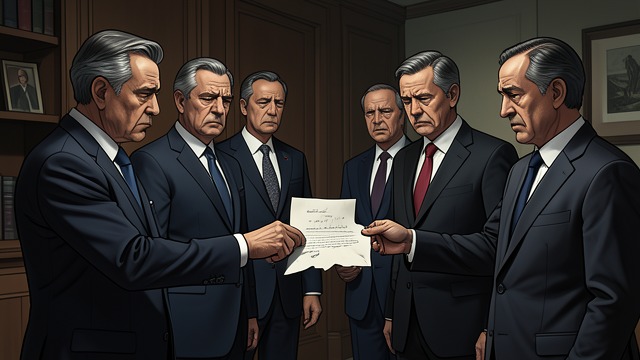
Exposure Without Reform
Corruption is ridiculed
Khlestakov's letter lays bare the officials' vanity and bribery. Their embarrassment is immediate, but the town's administrative practices have not changed within the action.
The ending withholds repair
A real inspector's arrival brings the possibility of investigation, not proof of justice. The play leaves public institutions suspended at the edge of scrutiny.
Act I, during the discussion of bribes
Act I, during the departmental inspection discussion
Act IV, across the officials' interviews
Act IV, during the petitions
Act V, the final tableau
