Hooverville
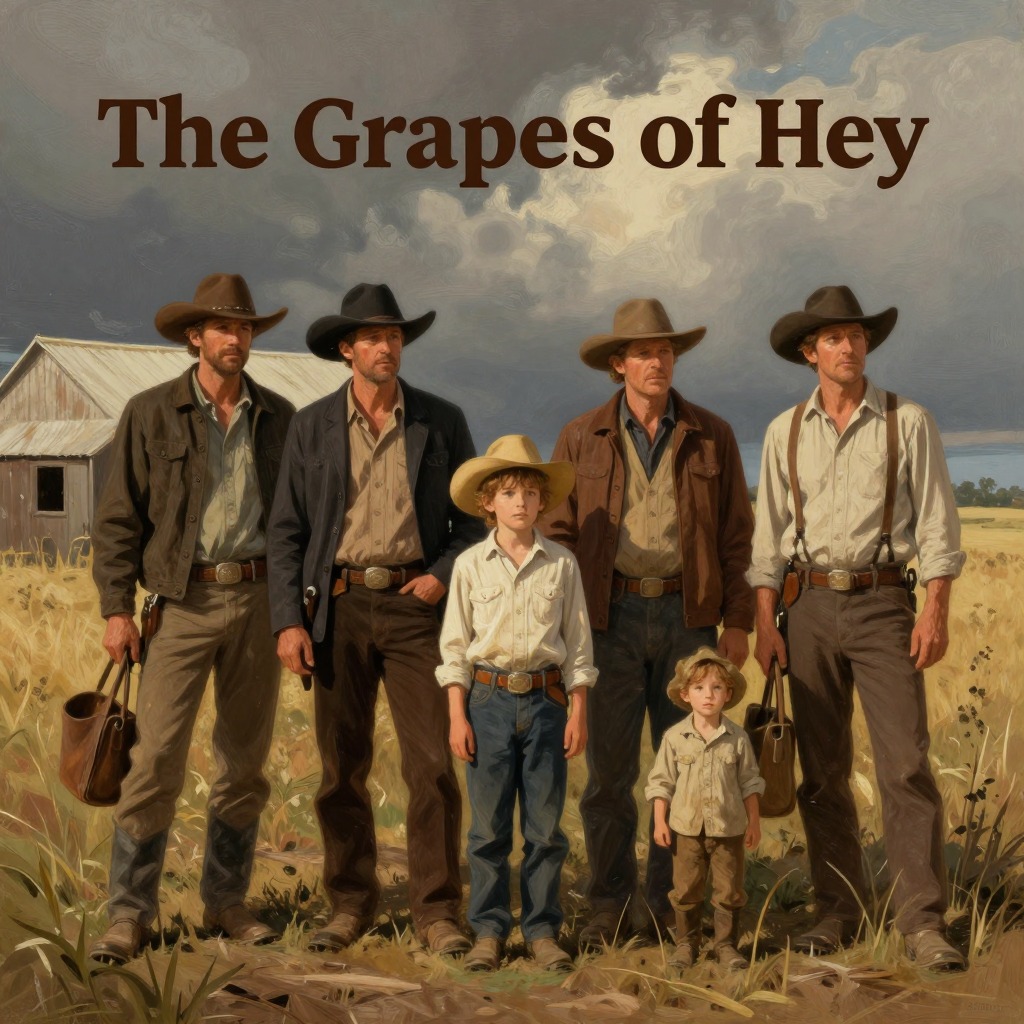
The Grapes of WrathHooverville is the generic name for the squalid, makeshift shantytowns that sprang up on the edges of California towns during the Great Depression, housing the dispossessed migrant families—often called Okies—who had been driven off their land in the Dust Bowl and were searching for work. In John Steinbeck's The Grapes of Wrath, Hooverville represents the brutal endpoint of the Joads' westward journey: a place where hope meets systematic hostility, where the migrants' desperate need for work is exploited by landowners and law enforcement, and where the first stirrings of collective anger and resistance begin to take shape.
Definition and Setting
A Hooverville was a rag town that lay close to water, composed of tents, weed-thatched enclosures, paper houses, and a great junk pile. The name was applied to every such encampment on the edge of every town. A man would drive his family in and become a citizen of Hooverville, putting up his own tent as near to water as he could get; if he had no tent, he went to the city dump and brought back cartons to build a house of corrugated paper, which would melt and wash away when the rains came. The camp was a place of slovenly despair, with little gray tents, shacks, and cars scattered about at random. One shack might have a south wall of three sheets of rusty corrugated iron, an east wall of a square of moldy carpet tacked between two boards, a north wall of roofing paper and tattered canvas, and a west wall of six pieces of gunny sacking, with grass heaped on untrimmed willow limbs for a roof. A five-gallon kerosene can laid on its side served as a stove.
Life in the Camp and the Search for Work
In Hooverville, the men scoured the countryside for work, and the little money they had went for gasoline to look for it. In the evenings they gathered together, squatting on their hams, and talked of the land they had seen—thirty thousand acres lying fallow, land that could bear food but was not worked. The temptation was always before them: the good fields with water to be dug for, the good green fields, earth to crumble experimentally in the hand. A homeless hungry man, driving the roads with his wife beside him and his thin children in the back seat, could look at the fallow fields and know how a fallow field is a sin and the unused land a crime against the thin children. The fields goaded him, and the company ditches with good water flowing were a goad to him. In the south he saw the golden oranges hanging on the trees, with guards with shotguns patrolling the lines so a man might not pick an orange for a thin child—oranges to be dumped if the price was low. Now and then a man tried to steal a little richness from the earth, creeping onto the land and clearing a piece, planting a secret garden hidden in the weeds. But then a deputy sheriff would come, and the little green carrot tops would be kicked off and the turnip greens trampled, and the Jimson weed would move back in.
Hostility, Raids, and the Burning of the Camp
The hostility of the local townspeople and authorities was a constant feature of life in Hooverville. The deputies, fat-assed men with guns slung on fat hips, swaggered through the camps, saying, "Give 'em somepin to think about. Got to keep 'em in line or Christ only knows what they'll do! Why, Jesus, they're as dangerous as niggers in the South! If they ever get together there ain't nothin' that'll stop 'em." The raids came often: the swoop of armed deputies on the squatters' camps, with orders to get the people out. "Department of Health orders. This camp is a menace to health." When the people asked where they were to go, the answer was, "That's none of our business. We got orders to get you out of here. In half an hour we set fire to the camp." In half an hour the smoke of paper houses and weed-thatched huts would rise to the sky, and the people would be in their cars, rolling over the highways, looking for another Hooverville. This is exactly what happened to the Joads: after the fight at the Hooverville near Bakersfield, where the preacher Jim Casy kicked a deputy and Tom Joad tripped him, the camp was burned that night by a mob of armed men with pick handles and shotguns, wearing trench helmets and American Legion caps. The Joads fled south in the dark, the light of the burning camp flaring behind them.
Narrative Significance
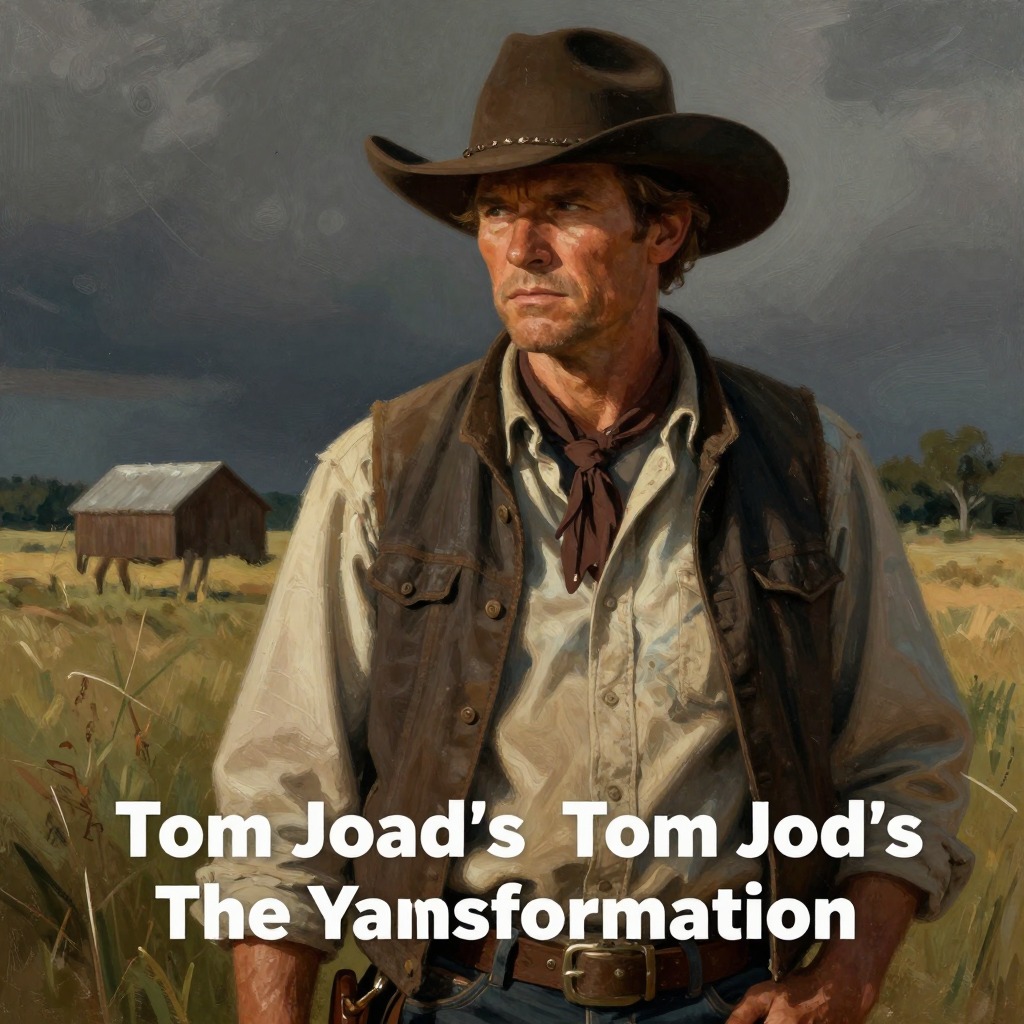
Hooverville is the place where the Joads' individual struggle begins to merge with a collective experience of oppression. It is where Tom Joad first hears the word "Okie" used as an insult, where he meets Floyd Knowles and learns about the blacklist and the system of wage suppression, and where he witnesses the casual brutality of the deputies. It is also where the first seeds of organized resistance are planted, as Floyd speaks out against the labor contractor and the men in the camp begin to talk about what they might do if they ever got together. The burning of the Hooverville is a turning point: it forces the Joads to seek refuge in the government camp at Weedpatch, a place of dignity and self-rule, but it also hardens Tom's resolve and sets him on the path that will lead him to Casy's mission. Hooverville, in its squalor and its violence, is the crucible in which the grapes of wrath begin to fill and grow heavy.