Confrontation at the Plaza Hotel
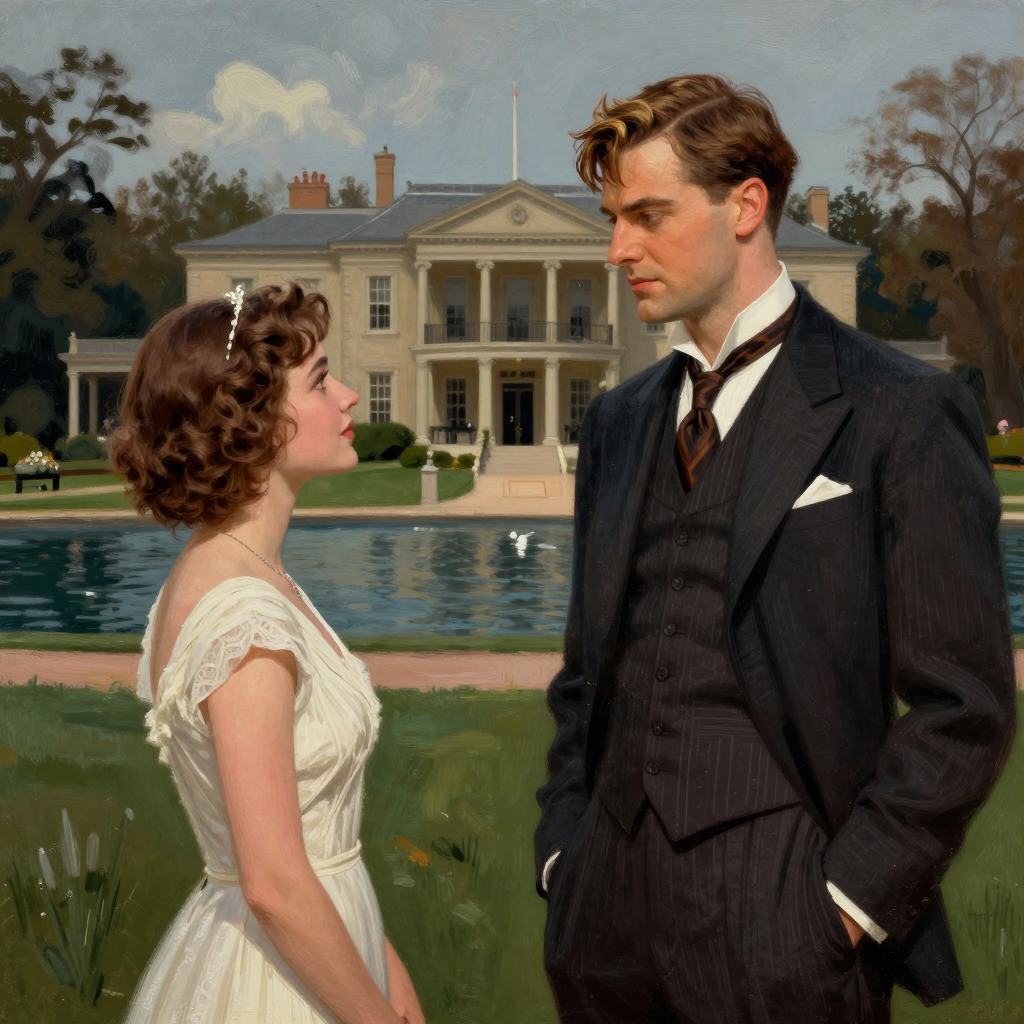
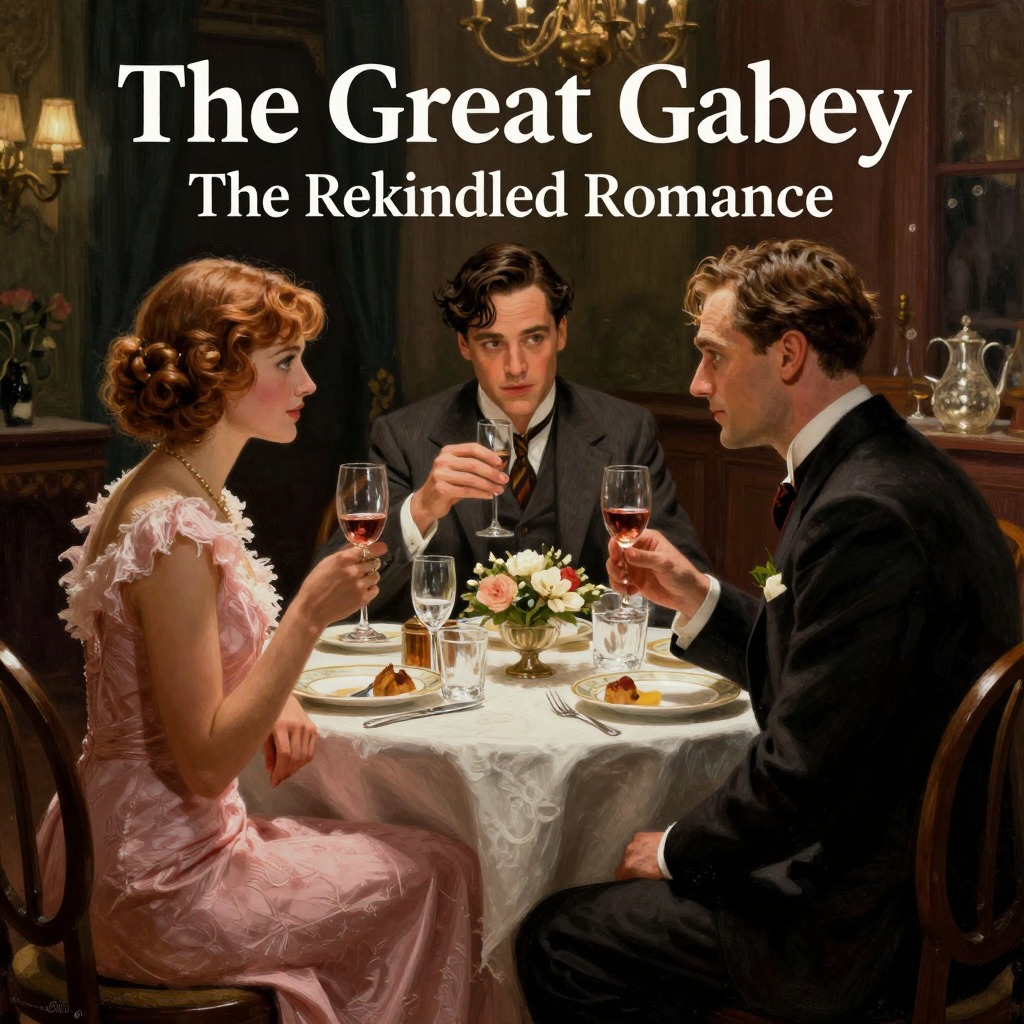
The Great GatsbyThe Confrontation at the Plaza Hotel is the novel's central crisis, the moment when the carefully constructed illusions of Gatsby's world collide with the brutal reality of class, money, and possession. In a stifling suite rented for the occasion, Tom Buchanan, driven by jealousy and a need to reassert control, systematically dismantles Gatsby's persona, revealing him as a bootlegger and a fraud. The scene ends with Daisy's refusal to renounce her love for Tom, Gatsby's dream collapsing, and the group departing into the twilight toward the accident that will kill Myrtle Wilson and seal Gatsby's fate.
Setting and Prelude
The confrontation unfolds on the hottest day of the summer, a broiling afternoon that seems to compress all the season's tensions into a single oppressive moment. The group—Daisy, Tom, Gatsby, Jordan Baker, and Nick Carraway—has driven from East Egg to New York, following Daisy's restless suggestion that they all go to town. After a tense ride in which Tom, suspicious and agitated, drives Gatsby's car while Gatsby and Daisy follow in Tom's coupe, they end up at the Plaza Hotel. The decision to rent a suite is impulsive, born of Daisy's whimsical idea to hire five bathrooms and take cold baths, then evolving into a plan for mint juleps. The room itself is large and stifling, with windows that admit only a gust of hot shrubbery from Central Park, and the atmosphere is charged with unspoken hostility. Tom, already unnerved by seeing Daisy and Gatsby together, has been drinking and is spoiling for a fight, while Gatsby, for his part, seems almost eager to bring matters to a head.
The Argument Unfolds
Once inside the suite, the tension quickly erupts. Tom, unable to contain his anger, begins to bait Gatsby, mocking his catchphrase "old sport" and questioning his claim to have attended Oxford. Gatsby admits he was there for only five months, an opportunity given to officers after the Armistice, but Tom's contempt is undiminished. The argument escalates when Tom, his voice thick with accusation, demands to know what kind of row Gatsby is trying to cause in his house. Gatsby, seizing the moment, declares that Daisy never loved Tom and that she has always loved him. Daisy, caught between the two men, pleads for them to stop, but Gatsby presses on, insisting that she tell Tom the truth. Tom, however, turns the tables, invoking intimate memories—the day he carried Daisy down from the Punch Bowl, their time at Kapiolani—and forces Daisy to admit that she did love him once. Her confession, delivered with perceptible reluctance, is a devastating blow to Gatsby, who had believed their love was absolute and exclusive.
Tom's Exposé
Having won the emotional battle, Tom delivers the final, crushing blow: he reveals that Gatsby is a bootlegger, a criminal who, along with Meyer Wolfsheim, bought up side-street drug-stores and sold grain alcohol over the counter. Tom's investigation, which he has been conducting for some time, exposes the source of Gatsby's wealth, stripping away the romantic mystery that had surrounded him. Gatsby's face, for a moment, takes on the look of a man who has "killed a man," a fleeting expression that Nick recognizes as the truth behind the rumors. Tom's words are not just an accusation but a class judgment: Gatsby, the "Mr. Nobody from Nowhere," is a common swindler who could never truly belong to Daisy's world. The revelation is all the more devastating because it comes not from an outsider but from Tom, who uses his knowledge to reassert his dominance over both Daisy and Gatsby.
Daisy's Choice and Gatsby's Collapse
In the aftermath of Tom's exposé, Daisy's resolve crumbles. She had told Gatsby she loved him, but when confronted with the choice, she cannot bring herself to say she never loved Tom. "I did love him once—but I loved you too," she sobs, a confession that destroys Gatsby's carefully constructed dream. Gatsby, who had believed he could repeat the past and erase the four years of Daisy's marriage to Tom, is left with nothing but the dead dream. Nick observes that Gatsby's expression was "as if he had 'killed a man'"—a look of utter desolation. The scene ends with Daisy and Tom leaving together in Gatsby's car, while Gatsby, Jordan, and Nick follow in Tom's coupe. As they drive away, Nick reflects on the meaning of the afternoon: "So we drove on toward death through the cooling twilight." The confrontation has not only shattered Gatsby's illusion but has set in motion the chain of events that will lead to Myrtle's death and Gatsby's own murder.
Significance and Aftermath
The Plaza Hotel confrontation is the turning point of the novel, the moment when the dream of Gatsby—the dream of reinventing oneself and winning the love of a golden girl—is revealed as impossible. It exposes the deep chasm between the old money of East Egg and the new money of West Egg, between inherited privilege and earned wealth. Tom's victory is not just personal but symbolic: he represents the entrenched aristocracy that will always close ranks against an outsider, no matter how much wealth he accumulates. For Gatsby, the confrontation marks the end of his five-year obsession; he has lost Daisy not because she stopped loving him, but because she cannot escape the world she belongs to. The scene also foreshadows the tragedy to come: Daisy, driving Gatsby's car, will kill Myrtle Wilson, and Gatsby will take the blame, leading to his death at the hands of George Wilson. In the end, the confrontation at the Plaza is not just a quarrel between rivals but a collision of two Americas—one that believes in the possibility of self-invention, and one that knows the past can never be escaped.