
The Making of a Writer
The Greatest Beer Run Ever: A Memoir of Friendship, Loyalty, and WarThis flow traces how reading, education, and private ambition lead John McGahern toward a literary life.
increasing Bearing strength in each event
 decreasing
Bearing strength in each eventdecreasingThe First Library
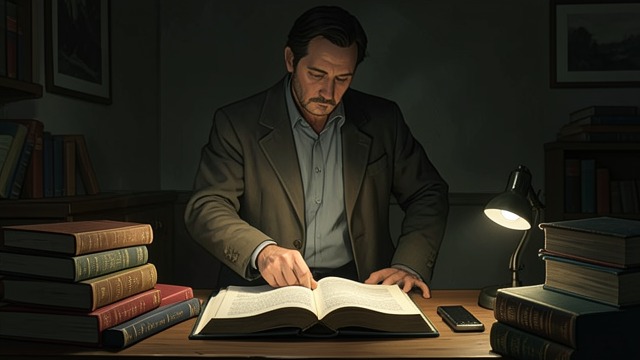
The First Library
Books by Chance
Andy Moroney gives the narrator access to Old Willie’s library. He borrows books freely, without a prescribed course or adult instruction.
Reading as Absorption
Stories first offer pleasure and escape. Over years, reading also becomes recognition: books begin to reflect the life and society he knows.
Schoolroom Possibility
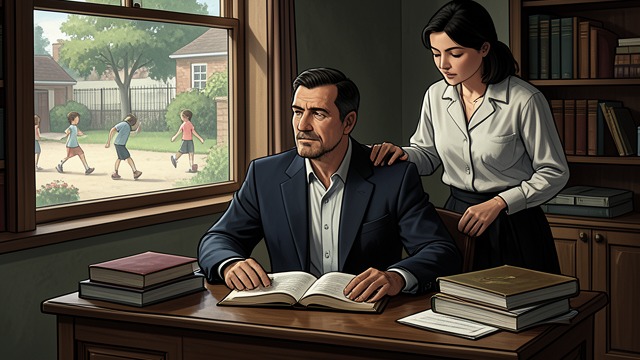
Schoolroom Possibility
A Teacher’s Confidence
Brother Placid recognizes the narrator’s ability and urges him to return to school instead of remaining at farm work. The encouragement changes his sense of what may be possible.
Education Reopened
Presentation College offers time, books, and intellectual companions. The narrator’s life begins to gather around learning rather than only labor and obedience.
The River’s Idea
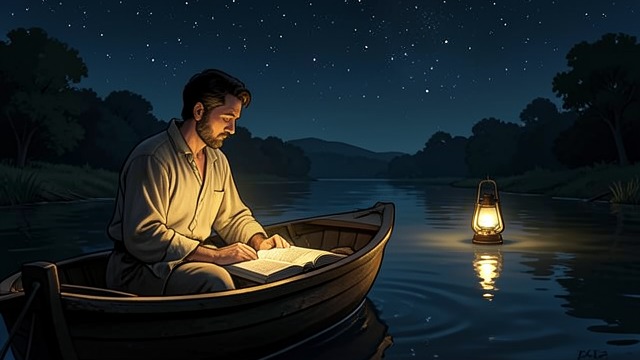
The River’s Idea
A Private Question
Reading alone in the Tarred Boat, the narrator wonders why one must choose only one life. A writer, he imagines, might create many lives through words.
A Secret Vocation
The thought is untested and almost impossible, but it frees him from the expectation that priesthood is his only meaningful future.
The First Publication
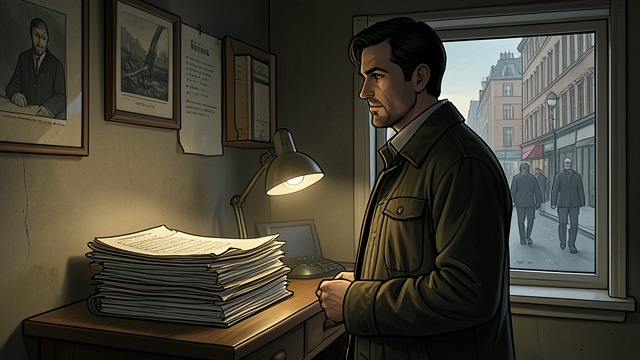
The First Publication
A Manuscript Shared
Jimmy Swift reads the narrator’s early novel and sends it to Patrick Swift, who is editing the magazine X. Extracts appear in print and attract publishers.
A Door Opens
The narrator has little knowledge of literary institutions, yet his work reaches readers quickly. Chance and friendship help turn private writing into a public career.
The Literary Break
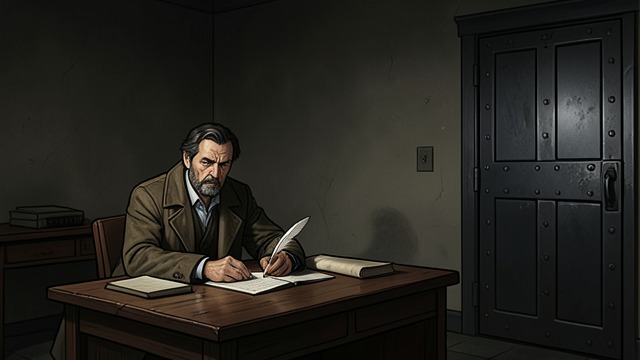
The Literary Break
A Prize and a Novel
Faber and Faber contracts for The Barracks, which wins an important prize while still in manuscript. Publication ends the narrator’s secret life of writing.
A Costly Recognition
The Dark later brings censorship, dismissal, and controversy. Despite the penalties, the writer’s vocation survives and becomes the central work of his life.
early adolescence
1948–1952
late adolescence, on the Shannon
spring 1960
1963 and the years following
