
The Narrator’s Passage Through Grief
The Greatest Beer Run Ever: A Memoir of Friendship, Loyalty, and WarThe narrator’s grief develops from childhood terror into a lasting, intimate memory of his mother.
increasing Bearing strength in each event
 decreasing
Bearing strength in each eventdecreasingA Fearful Absence
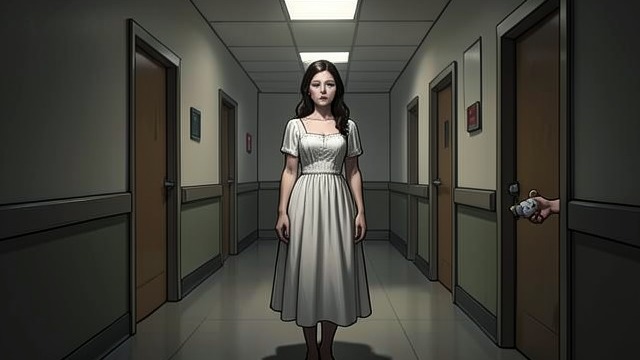
A Fearful Absence
No Explanation
When Susan enters hospital, the children are moved to Cootehall and told to pray rather than ask questions. The narrator senses a catastrophe he cannot name.
Faith as Reassurance
Her letters promise that she will return, and the children’s nightly prayers preserve hope. Childhood faith makes the separation bearable without explaining it.
The Lost Hour
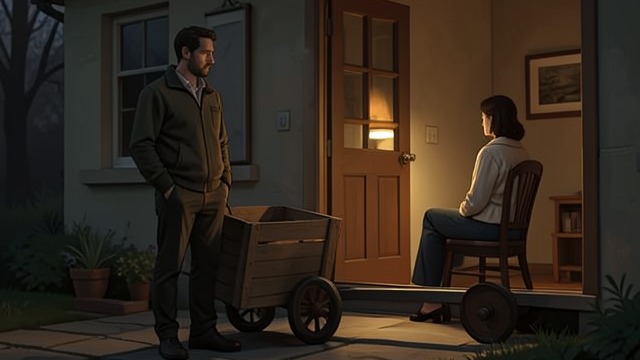
The Lost Hour
A Delayed Goodbye
The narrator stays outside while the furniture is loaded, postponing his final visit. Inside, his mother is waiting, but he cannot make himself face what is happening.
Regret’s Beginning
After leaving her room, he remembers the lost time as an irreversible failure. That guilt becomes one of grief’s sharpest, most enduring forms.
The Funeral in Imagination
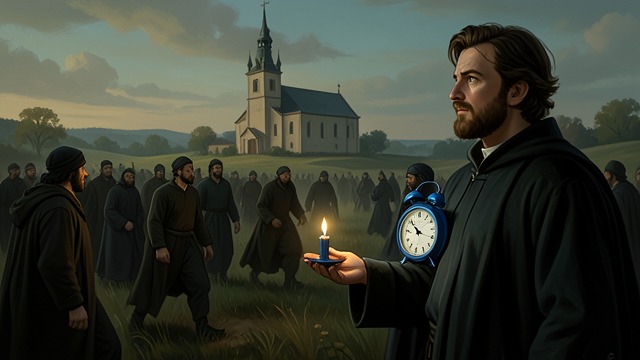
The Funeral in Imagination
Watching From Elsewhere
The narrator hides rather than attend his mother’s funeral. Holding the Blue Clock, he imagines each stage of the Mass and burial.
Private Mourning
His imagined ceremony is vivid and exact, yet he remains outside the communal ritual. The clock measures a grief he cannot share aloud.
The River Afterward

The River Afterward
A Return to Life
After the funeral, the narrator briefly longs to go out in a boat. He then feels ashamed that ordinary pleasure has returned so quickly.
Grief Without Resolution
The river remains a refuge, but it cannot undo death. The narrator understands that love and the body’s desire to live continue together.
A Presence Carried Forward
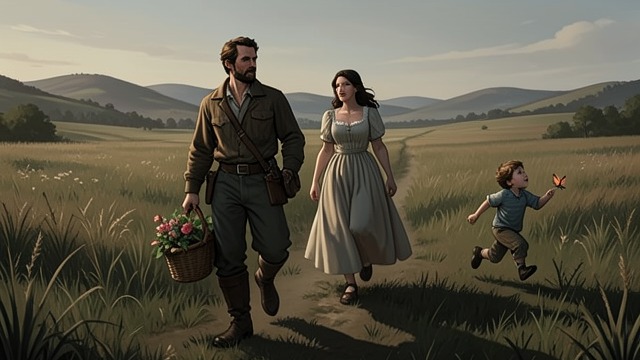
A Presence Carried Forward
Memory’s Consolation
As an adult, John McGahern remembers his mother through lanes, flowers, family kindness, and their shared routines. Her presence survives in these ordinary details.
An Unfinished Conversation
He imagines walking the country with her and telling her local news. The imagined reunion acknowledges loss without pretending it has ended.
age seven, during the first hospital stay
June 1944, moving day
June 29, 1944
the afternoon after the burial
the memoir’s closing reflections
