County Leitrim
The Greatest Beer Run Ever: A Memoir of Friendship, Loyalty, and WarCounty Leitrim becomes the place of return in John McGahern’s memoir: not simply a chosen residence, but the landscape in which a life of writing could take root without severing its ties to the people and places that formed it. The couple settled on a small farm there, where home, work, and remembered country came together.
Setting and the Choice to Return
Before settling in County Leitrim, McGahern and Madeline Green considered a house and fields at Cleggan. She appreciated the house and its ocean setting but did not want to live there, preferring the inland countryside where he had grown up. McGahern was drawn to both the ocean and the country of his childhood; the familiarity of its people, language, and landscape ultimately mattered. He describes that knowledge as something as necessary as breathing, and not readily acquired in a new place.
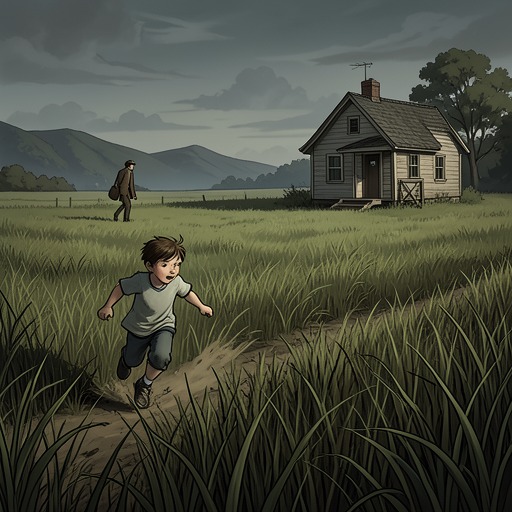
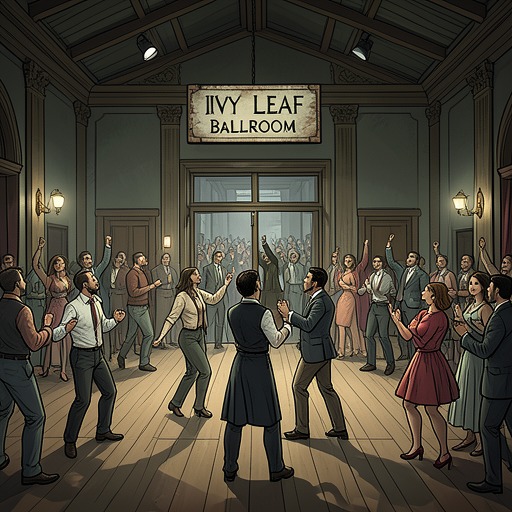
The couple drove through Leitrim looking at small farms for sale until they found a low hill with small fields and thick, tall hedges behind the Ivy Leaf Ballroom. The stone cottage was restored and enlarged, and they bought a few cows for the fields. The move gave them a home in the countryside McGahern knew, rather than in a place he would have had to learn from the beginning.
Home, Work, and Local Life
The farm did not remain only a setting for recollection. McGahern found that making a living from writing was easier than he had expected, and the couple did not have to leave for England or America except by choice; when they did go away, they were never gone long. County Leitrim thus marks a practical as well as emotional return: the place where the writer’s work could support a settled life.
The community around them is portrayed as spirited, independent, kind, and given to mocking fun. Jimmy had died shortly before the couple returned, but Pat remained, and they saw him often. Neighbours helped one another, while treating writing as a trade: when people asked whether there was much money in the business, McGahern answered that there was not much, but enough. Their Sunday Mass attendance and votes at elections coexisted with little regard for the Church or State beyond those public observances. After Mass, men gathered in Bonesetter Woods to discuss the world; Mikey Woods, who set broken bones for horses and cattle, presided over this informal parliament.
The Landscape as Structure and Return
McGahern frames the memoir as an account of his upbringing, his parents, and the people around them in their time and landscape. He presents his separate adult life insofar as it shows a journey out of that landscape and back to its lanes, small fields, hedges, and lakes beneath the Iron Mountains. County Leitrim is therefore both a lived location and the endpoint of the book’s movement: adult independence does not erase the past, but brings the narrator back to a country whose language, people, and terrain already belong to him.
The author biography also records that McGahern lived in County Leitrim. Its place in the memoir is more particular than a biographical address, however: the county holds the restored cottage and working farm, the local community, and the familiar landscape through which departure becomes return.