
The Investigation’s False Conclusions
The Hanging GirlThis thread traces how several reasonable observations combine into a mistaken case against Frank, and how the eventual evidence forces investigators to revise their assumptions.
increasing Bearing strength in each event
 decreasing
Bearing strength in each eventdecreasingThe Murder Hypothesis
A New Interpretation
Reconsidering the Death
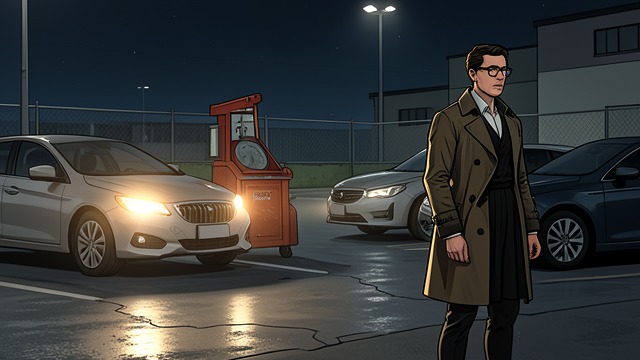
Carl sees that Alberte may have been deliberately struck, rather than accidentally hit by an unidentified driver.
Suspect Search
The Kombi photograph and Habersaat’s note encourage the team to treat its driver as the central suspect.
Romance as Motive
A Convincing Story
Overlapping Affairs
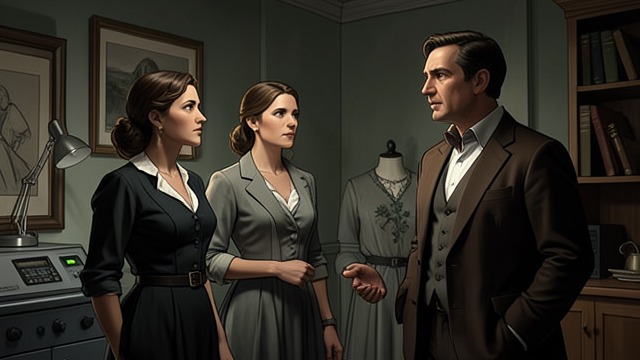
Inge, June, and Alberte each have ties to Frank, making him seem capable of provoking jealousy and retaliation.
Narrative Overreach
Investigators begin to treat a pattern of relationships as though it were evidence that Frank committed the collision.
The Solar-Messiah Profile
Charisma Read as Danger
The Witnesses’ Accounts
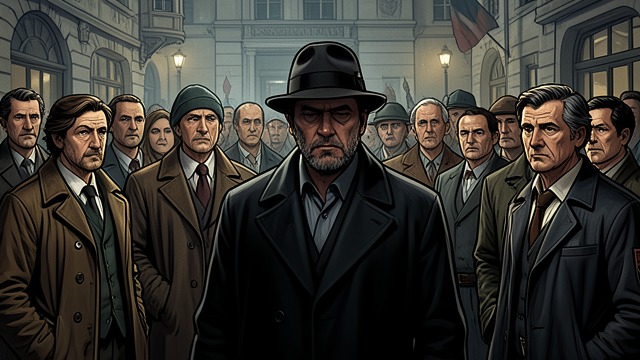
Teachers, therapists, and former commune members describe Frank’s ambition, influence, and interest in spiritual systems.
A Plausible Villain
The profile strengthens suspicion, but personality and ambition cannot establish who drove the vehicle that morning.
Pirjo’s Accusation

A Confession Built on Jealousy
Her Story
Pirjo tells Atu that she concealed evidence because she believed he had killed Alberte.
Contradiction
Atu appears genuinely unaware of the death, and the scene shifts from a confirmed villain to a conflict built around Pirjo’s unverified belief.
June’s Account Replaces Theory
Evidence and Confession
The Snowplough
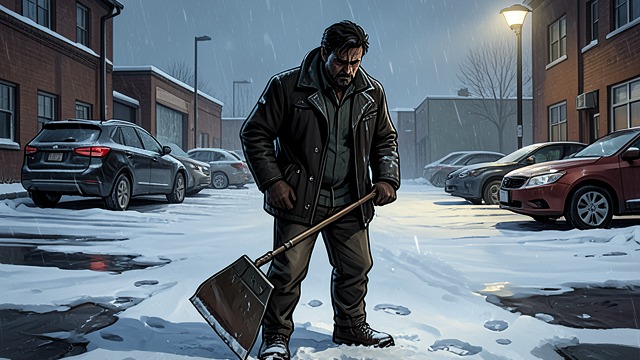
A computer photograph and the recovered apparatus connect the collision to Bjarke’s Toyota, while June admits driving it.
The Final Revision
The apparent case against Frank dissolves; investigators must distinguish direct evidence from the story their assumptions encouraged them to tell.
May 1–2, 2014
May 2–8, 2014
May 8–15, 2014
May 16, 2014
May 17, 2014
