
The Fate of the Bicycle Evidence
The Hanging GirlThis thread follows Alberte’s bicycle from crime-scene evidence to discarded object and disturbing artwork, revealing how an abandoned object can preserve a case’s history.
increasing Bearing strength in each event
 decreasing
Bearing strength in each eventdecreasingThe Damaged Bicycle
A Second Trace
At the Scene
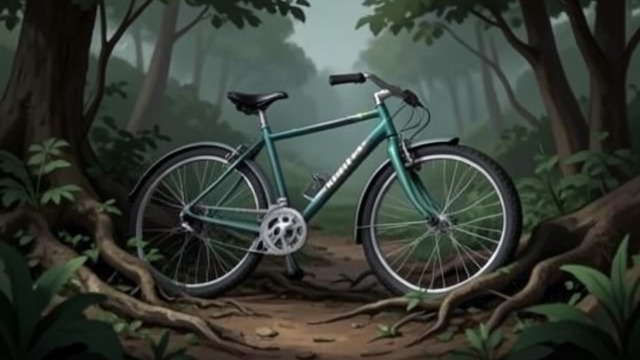
Investigators recover Alberte’s severely damaged bicycle from undergrowth after the collision.
An Unresolved Object
The bicycle’s position becomes part of the debate over where Alberte was standing and how far the vehicle carried its impact.
Discarded by Police
Evidence Abandoned
A Long Storage Period
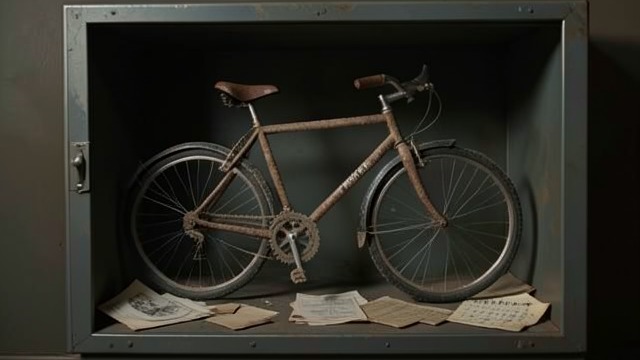
The bicycle remains in police custody for years, outlasting the active phase of the original investigation.
Disposal
When it is discarded, the case loses a physical object that might still have helped reconstruct the collision.
The Artist’s Recovery
Found in the Scrap
A Curious Rescue
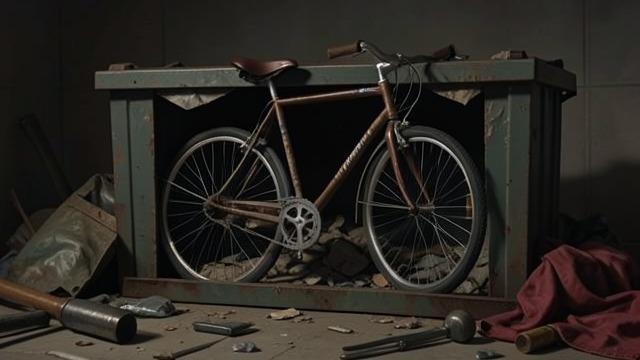
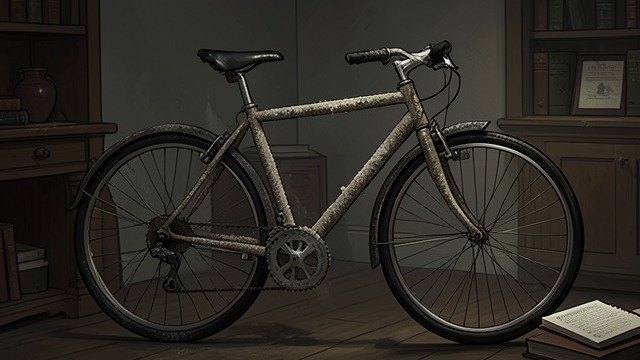
Steffen Kristoffersen finds the bicycle in a scrap container and recognizes its connection to the widely discussed case.
A New Use
Rather than return it to practical service, he makes it the center of Fateopia, turning forensic evidence into a public installation.
A Disturbing Memorial
Art and Exploitation
The Installation
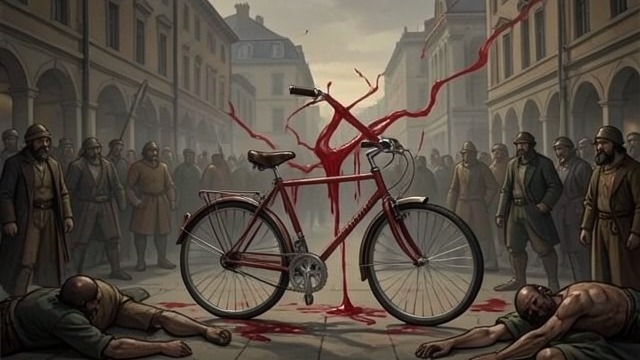
Carl and Assad see the bicycle surrounded by representations of blood, injury, and the search for Alberte’s killer.
Ethical Discomfort
The work preserves the case’s details but also turns a young woman’s death into spectacle, unsettling investigators and family alike.
The Case’s Discarded Object
Evidence Reconsidered
A Link to Earlier Errors
The bicycle’s journey from evidence room to artwork reflects the investigative gaps that let the case remain unresolved.
A Limited Answer
Its recovery adds context but does not identify the killer; the decisive evidence lies instead in the snowplough and June’s account.
November 1997
By February 25, 2008
After February 2008
May 2014
Near the investigation’s end
