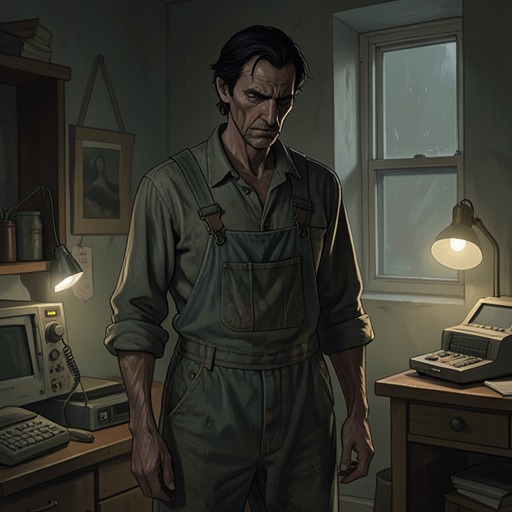
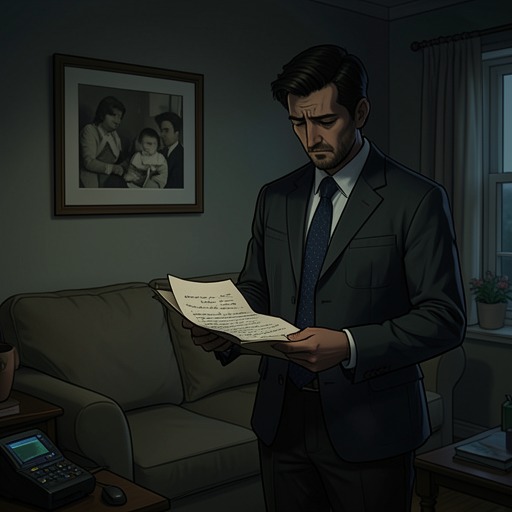
Birger Mørck
The Hanging GirlBirger Mørck is Carl Mørck’s uncle and Ronny’s father, but his importance in the story rests chiefly on the place he holds in Carl’s memory: Birger helped form Carl’s independence and sense of self-respect, becoming a counterweight to the strained relationship between Carl and his own father.
Identity and Background
Birger is associated with Johanne Farm, the place where Carl grew up and later recognizes as the root of his existence. The farm holds a mixture of formative memories: Carl’s sense of justice and resistance to wrongdoing began there, as did experiences of physical danger and family conflict. Against that background, Birger’s influence belongs not simply to Carl’s childhood but to the origins of the principles by which Carl understands himself.
Carl recalls that Birger taught him that being younger did not necessarily mean being weaker. The lesson gives their bond a practical, formative quality: Birger appears in Carl’s memory as someone who helped him imagine independence rather than accept a subordinate place.
Carl’s Attachment to Birger
When Carl confronts his parents over Ronny’s letter, he forcefully denies having anything to do with what it alleged. He says he is appalled by the suggestion, especially because he cared more about Birger than about anyone else in the world. His defense is also an explanation of why Birger mattered: Carl tells his father that Birger gave him more drive and self-respect than his father ever did, and says he loved him for it.
Carl remembers Birger as funny and as a keen judge of character. He tells his father that he might have learned from Birger, implying that the uncle offered a model of understanding that was missing from their own relationship. The recollection makes Carl’s grief and loyalty explicit even as he argues with his father: his defense of Birger is inseparable from his refusal to let his father define their family history for him.
Legacy and Family Conflict
Birger’s memory becomes a point of conflict between Carl and his father. The father accuses Carl of being contrary, provoking others, and turning his back on the farm; Carl answers that Birger also helped pave the way to his independence. He remains cut up about Birger’s death, and asks to be left in peace with that grief rather than have it recast through Ronny’s accusation.
In this confrontation, Birger’s significance is both intimate and structural. He represents the affection and encouragement Carl says he received, while the farm and the argument over who should inherit it expose the family tensions surrounding Carl’s departure. Birger is not present in the scene, but Carl’s defense of him makes his enduring influence unmistakable.