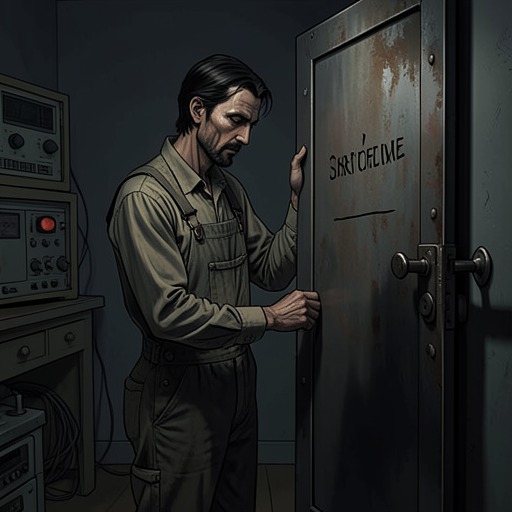
Carl Mørck and Assad
The Hanging GirlCarl Mørck and Assad are investigative partners whose relationship is built through years of shared cases, practical coordination, and an easy familiarity. The book shows their bond in ordinary exchanges as well as moments when Carl must decide whether he has enough energy to continue: Assad can wake him with a ringing telephone, ask what comes next, and still expect them to move forward together.
A Partnership in Everyday Work
On the morning of April 29, 2014, Assad wakes Carl because the telephone is ringing again. Carl has been interrupted in the middle of a complicated train of thought and reluctantly takes his legs off the table. The exchange is small, but it presents their working intimacy without ceremony: Assad knows where to find him, and Carl responds with the exasperation of someone accustomed to being interrupted by his partner.
Their familiarity also makes room for humor. When customers react to the pair as if they are actors, Assad apologizes on their behalf and invents a playful explanation that they are rehearsing a play. His quick improvisation contrasts with Carl’s more inward, interrupted concentration, while placing both men together in the same public scene.
Experience and Mutual Momentum
By September 2013, Carl reflects that he and Assad have worked together for almost seven years and solved many cases. Their assistants’ eyes still light up with enthusiasm, but the sight does not always revive him. On this occasion, Carl cannot draw energy from their eagerness and has to search within himself for reserves. The partnership therefore does not erase fatigue; its force lies partly in the fact that the work and the cases continue to call for a response even when Carl feels depleted.
Assad’s question about what they should do next gives that hesitation a practical form. Carl drums his fingers beside a photocopy, recalling Assad’s warning that there is no way back. He then turns uncertainty into a plan: Rose is to book two additional hotel nights, while Assad accompanies him through the house so they can assess what must be packed and in what order. Their coordination is direct and complementary: Carl sets the next steps, and Assad is assigned to help establish the scale and sequence of the work.
Continuity and Shared History
The partnership is also framed against their shared history with Rose. Carl recalls that she has stood by him and Assad on numerous occasions, including when he was close to burning out during the Marco case three years earlier. His recollection places the two men within a durable working circle, though it does not make them identical in temperament or responsibility. In the present, Carl handles the immediate decisions while Assad supplies a prompt to act and accompanies him through the practical task ahead.
Across these moments, the relationship is defined less by declarations than by repeated cooperation: a telephone answered, a question about what comes next, and a plan divided into workable tasks. Nearly seven years of cases have made that coordination familiar, but not automatic; Carl still has to find reserves when enthusiasm cannot reach him. The partnership’s significance lies in this continued movement from hesitation toward shared work.