February 25, 2008
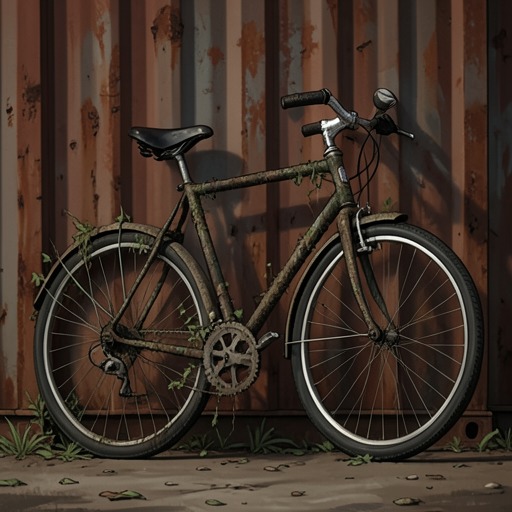
The Hanging GirlFebruary 25, 2008, marks the date Alberte Goldschmid’s bicycle was discarded, a small but consequential point in the chain of custody around her death. The bicycle had been kept for ten years before being thrown away; a local recognized it from newspaper coverage, took it from a junk pile, and eventually made it part of the scrap sculpture Fateopia. Its passage from evidence to refuse, then into art, gives the date its significance in the case’s history.
The Bicycle’s Discard
The date was established when investigators learned that the bicycle had been kept for a decade and then thrown out on February 25, 2008. Its disposal might have seemed to make little difference once the bicycle was found again, but the circumstances mattered: its return to view was not the result of a planned police search. A local recognized it among a pile of junk because he remembered the bicycle from newspaper coverage and knew it belonged to Alberte.
From Junk to Fateopia
The local took the bicycle because he considered it distinctive and knew it had a special history. He welded it into a scrap sculpture called Fateopia. The bicycle therefore did not simply survive as a preserved exhibit: it was altered and incorporated into another object before investigators connected its history to the case. The date records the moment it was thrown away, but its later recovery depended on recognition and on the chance survival of an object that had been repurposed.
Significance to the Investigation
The recovered bicycle helped Carl Mørck and Assad revisit the circumstances of Alberte’s death. At the scene, Carl reconstructed a possible deliberate collision: he thought Alberte may have stepped from her bicycle to greet the approaching driver, unaware of danger, before the vehicle accelerated and struck her. That was an investigative interpretation, not a fact established by the bicycle’s 2008 disposal.
The case also accumulated leads that later proved misleading, including a search for a wooden board connected to a splinter and suspicions focused on Frank, also known as Atu Abanshamash Dumuzi. A photograph of Bjarke Habersaat beside a four-wheel drive fitted with a plow redirected attention toward another possibility. Against that shifting investigative background, the bicycle’s unusual route—from evidence, to a junk pile, to Fateopia—shows how an object could remain materially present while its meaning and availability changed. February 25, 2008, fixes one stage of that history without, by itself, resolving who caused Alberte’s death.