Damp room
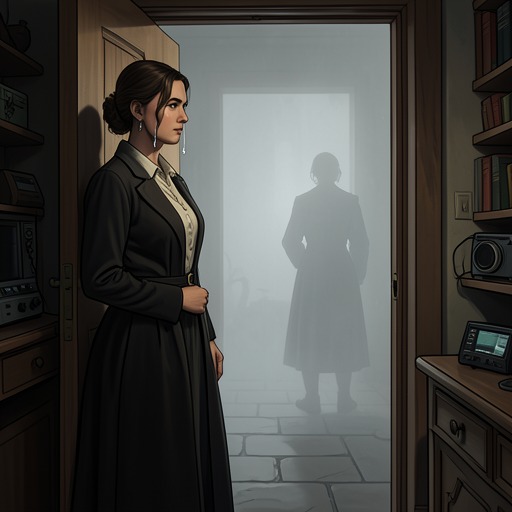
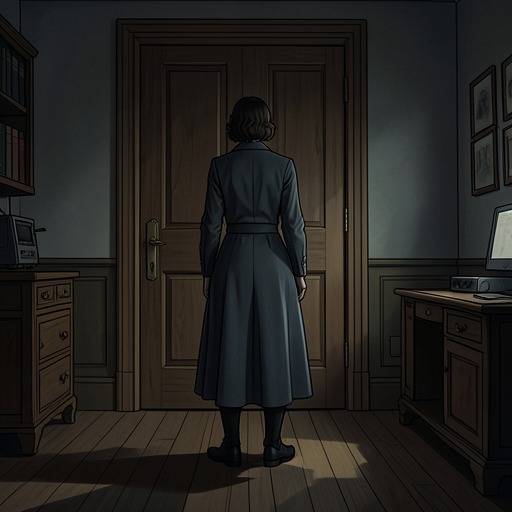
The Hellbound HeartThe Damp room is a second-floor chamber whose closed blinds and unaltered interior make it feel cut off from the life of the house. Julia first rejects it as a bedroom, then repeatedly returns to its darkness; there she discovers that Frank Cotton has been hidden within its walls. The room becomes both a refuge for Julia and the point where the boundary between her domestic life and Frank’s captivity begins to give way.
Setting and Character
The room is the largest of the three upper rooms, a plausible choice for a master bedroom, but its size does not make it welcoming. Its blinds are drawn and nailed to the frame, shutting out the sunlit street. The floorboards are stained, and the air is still and chillier than elsewhere in the house. Julia cannot free the blind herself and expects Rory to remove the nails, but the room’s condition already seems less like an ordinary decorating problem than a deliberate exclusion of outside life.
Julia refuses to let Rory persuade her to use the room. She judges its atmosphere hateful and leaves it untouched while the couple concentrate on the parts of the house visible to visitors. The contrast between public rooms being organized and this upper room remaining sealed gives it a hidden status within the home: it is present, but not incorporated into the household’s ordinary routines.
Julia’s Retreat
Despite her initial rejection, Julia returns to the room from time to time. She cannot explain the attraction, but its darkness comforts her. When Rory is at work, she sometimes sits alone there in stillness, unable to put into words what occupies her thoughts. The room’s enclosure offers relief from the demands of the rest of the house, even as its atmosphere remains uneasy.
The narrative places these visits beside Julia’s recollection of her earlier intimacy with Frank, including the moment she remembers her resolve first giving way to him. That association makes the room more than a quiet hiding place: its darkness provides a setting for feelings and memories she does not openly share with Rory. Later, when visitors downstairs exhaust her patience, she again seeks a cool, dark place and enters the room, locking the door behind her.
Frank’s Presence Behind the Wall
On that return, Julia notices that the boards where Rory’s blood had fallen have been cleaned. Beyond the light reaching from the landing, the room remains almost entirely dark. A disturbance in the wall gives way to the sight of a ruined human figure partly revealed in the brickwork. Julia initially understands it as weaker than she is and feels pity rather than fear. The figure manages to name her, then to identify himself as Frank and indicate that he needs blood.
The wall closes over the figure again, but Julia is certain that Frank remains in the room. She understands him to be trapped between her world and another, associated in her account with bells and darkness. The room thus holds a presence that can appear and disappear without being freed: brick and plaster conceal Frank, while brief openings allow him to reach Julia. His limited speech turns the room’s secrecy into a practical demand that will shape what she does next.
Blood and Restoration
Julia learns that blood can give Frank strength. After she kills a man, she returns to the room with blood on her hands. The dead man’s remaining nourishment is drawn toward the wall and absorbed, leaving the body unable to serve as food. The episode establishes the room as the place where Julia’s actions outside it become sustenance for Frank’s gradual reconstruction. Her private visits have become a means of feeding the presence concealed within the house.
The room’s importance therefore depends on a disturbing reversal: what had seemed to Julia a refuge from other people becomes a channel for her involvement in Frank’s survival. The blood does not simply disappear; its movement toward the wall connects the body in the room to the hidden figure behind it. Julia watches this process and is impressed by its result, making the room a site where her sympathy becomes active assistance.
From Sealed Chamber to Point of Return
The room does not remain wholly closed. Later, Frank stands beside its window and has torn away the blind; lamplight now reaches the walls, and he watches a storm moving southeast. His need to see the storm marks a change from the earlier figure who could make only frail contact through brick and plaster. The opened window and removed covering do not undo his captivity, but they alter the room’s appearance and register his increased presence.
As the place where Julia first encounters Frank’s concealed condition, the Damp room also establishes a pattern of familiarity turning threatening. It belongs to a recognizable family home, yet its sealed window, intermittent revelations, and hidden occupant unsettle that domestic setting from within. Frank’s later appearance under Rory’s identity elsewhere in the house extends the danger of concealment beyond this chamber; the room is where the secret first becomes visible, not where its consequences end.