Bag-End
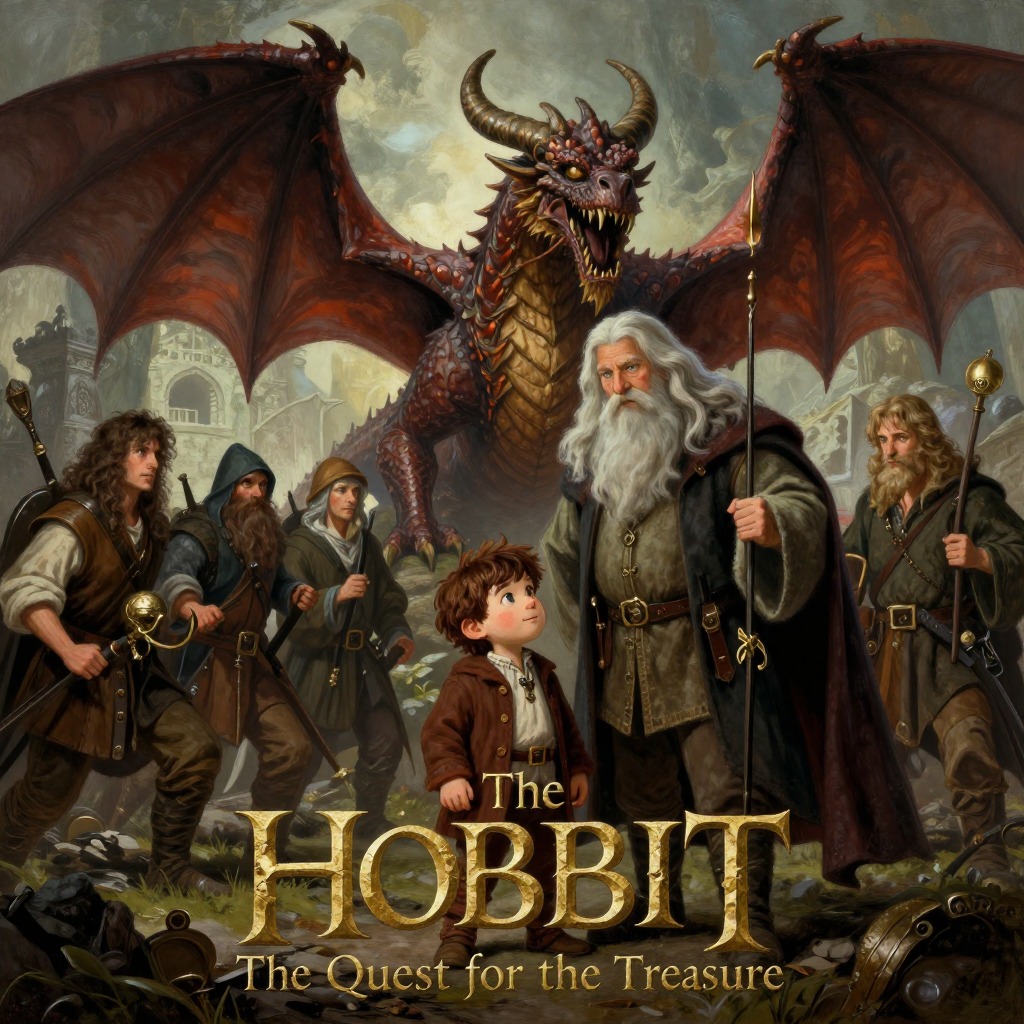
The HobbitBag-End, the hobbit-hole of Bilbo Baggins, is the physical and symbolic heart of the domestic world from which the adventure departs and to which it returns. Built by Bilbo's father, Bungo Baggins, for his mother Belladonna Took, it is described as the most luxurious hobbit-hole to be found under or over The Hill or across The Water, a place of perfect comfort with panelled walls, tiled floors, and a pantry-filled layout that embodies the Bagginses' respectable, adventure-free ideal. The narrative begins and ends here, making Bag-End the fixed point against which all change is measured.
Identity and Description
Bag-End is a hole in the ground, but not a nasty, dirty, wet hole; it is a hobbit-hole, and that means comfort. It has a perfectly round, green-painted door with a shiny yellow brass knob, opening onto a tube-shaped hall that winds into the side of The Hill. All rooms—bedrooms, bathrooms, cellars, pantries, wardrobes, kitchens, dining-rooms—are on the same floor, with the best rooms on the left-hand side featuring deep-set round windows overlooking a garden and meadows sloping down to the river. The Bagginses had lived in the neighbourhood of The Hill for time out of mind, and were considered very respectable, rich, and predictable. Bag-End is the physical manifestation of this respectability: a place where nothing unexpected ever happens.
The Unexpected Party and the Call to Adventure
The tranquility of Bag-End is shattered by the arrival of Gandalf and thirteen dwarves, who transform the tidy home into a scene of chaotic feasting and singing. Gandalf scratches a queer sign on the beautiful green front-door, and the dwarves eat and drink their way through Bilbo's larders, singing of misty mountains and dragon-guarded gold. The song awakens something Tookish inside Bilbo, and he feels a desire to see the great mountains and wear a sword instead of a walking-stick. Yet he quickly reverts to being plain Mr. Baggins of Bag-End, Under-Hill, shuddering at the thought of plundering dragons settling on his quiet Hill. The party represents the intrusion of the adventurous world into the safe, domestic sphere, and Bag-End becomes the threshold Bilbo must cross.
The Anchor of Home During the Quest
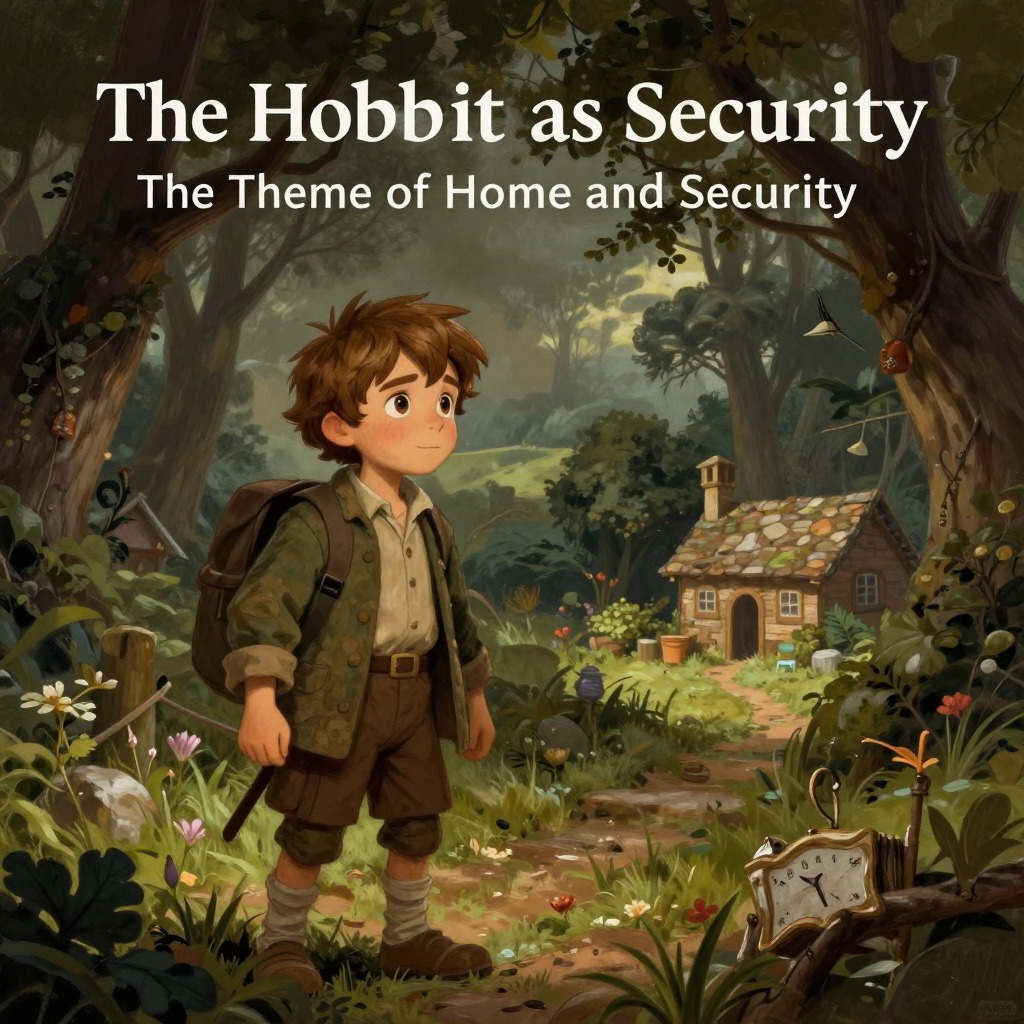
Throughout the journey, Bag-End serves as a constant point of reference for Bilbo's longing and fear. In the dark tunnels of the goblins, he thinks of himself frying bacon and eggs in his own kitchen. When he is lost and alone, he wishes again and again for his nice bright hobbit-hole. The memory of his comfortable chair before the fire and the singing kettle recurs at moments of greatest peril, such as when he first sees the Misty Mountains or when he is trapped in Mirkwood. Even after the dragon is dead and the treasure is won, Bilbo's thoughts turn to the quiet Western Land and the Hill and his hobbit-hole under it. Bag-End is not merely a place but a state of being—the embodiment of safety, predictability, and the life he has left behind.
Return and Transformation
Bilbo returns to Bag-End on June the Twenty-second to find it being auctioned off, as he has been presumed dead. The Sackville-Bagginses are busy measuring his rooms. He must buy back much of his own furniture, and many of his silver spoons mysteriously disappear. Though he regains his home, he has lost his reputation: he is no longer quite respectable, held by all the hobbits of the neighbourhood to be 'queer'. Yet he does not mind. He is quite content, and the sound of the kettle on his hearth is ever after more musical than it had been in the quiet days before the Unexpected Party. His sword hangs over the mantelpiece, his coat of mail is arranged on a stand in the hall, and his magic ring he keeps a great secret, using it when unpleasant callers come. Bag-End remains his home, but it is now a home transformed by the adventure that has changed him.
Thematic Significance
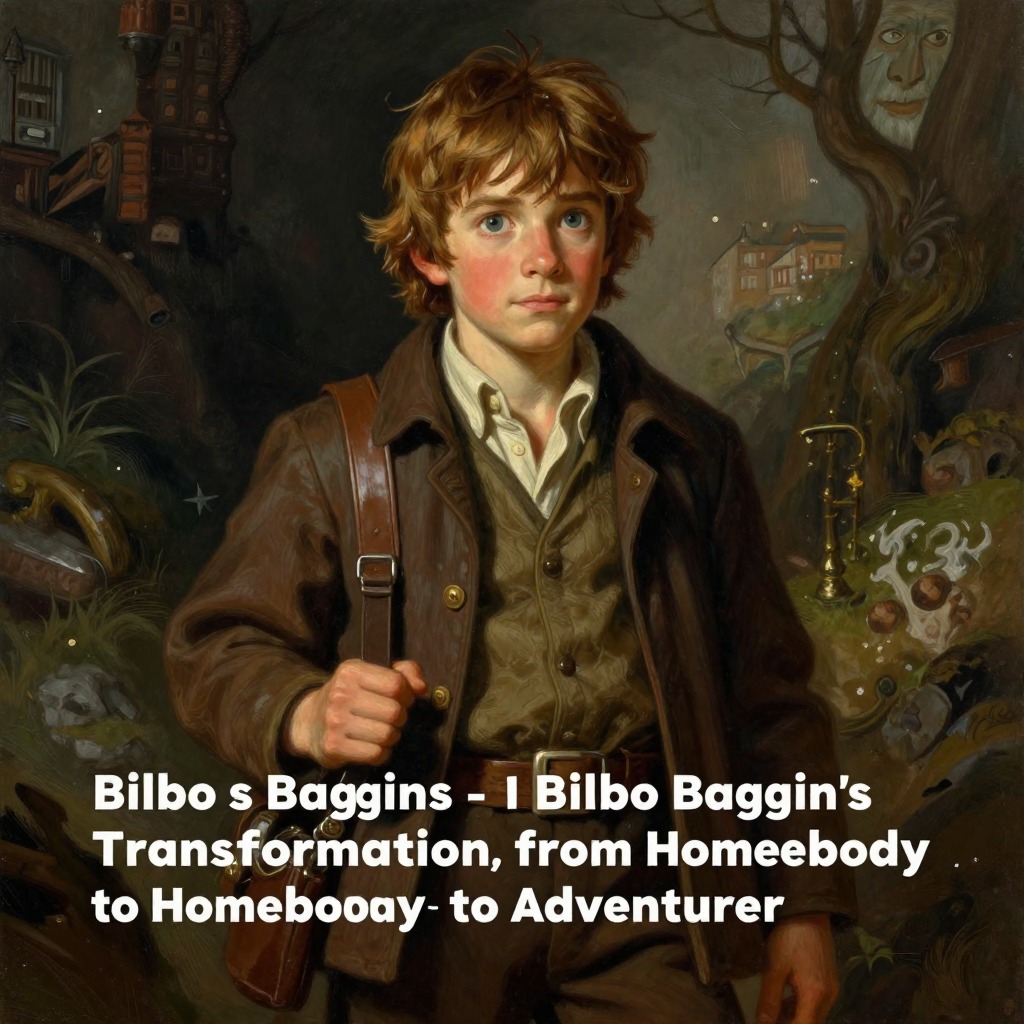
Bag-End is the central symbol of the Baggins side of Bilbo's nature—the love of comfort, order, and respectability that stands in tension with the Tookish desire for adventure. The journey away from and back to Bag-End traces the arc of Bilbo's personal growth: he leaves as a timid, comfort-loving hobbit and returns as an elf-friend, a burglar, and a hero, yet one who still values the simple pleasures of home. The final image of Bag-End, with its musical kettle and its souvenirs of adventure, represents the integration of these two sides of his character. He has not abandoned his home but has enriched it with the wisdom and experience gained beyond its borders.