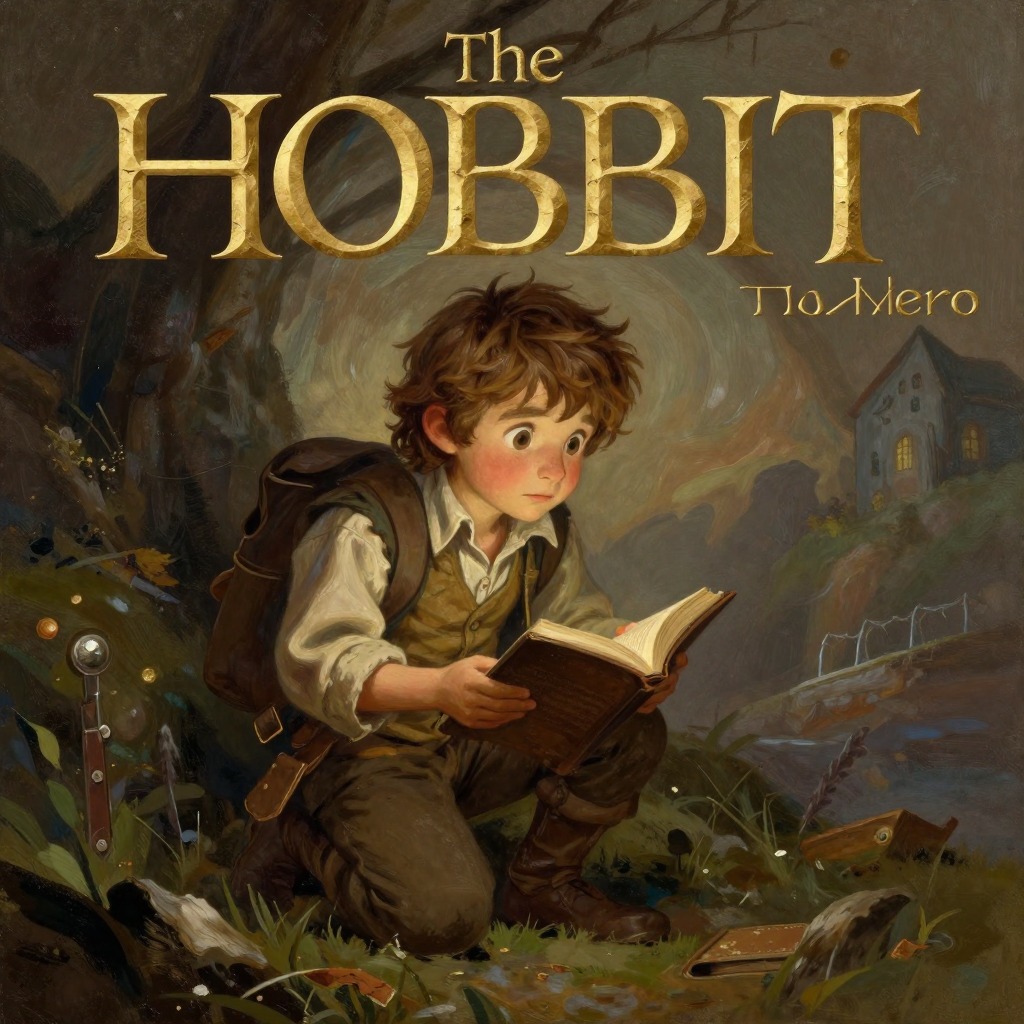
Gloin
The HobbitGloin is one of the thirteen dwarves of Thorin and Company, the expedition led by Thorin Oakenshield to reclaim the lost treasure of the Lonely Mountain from the dragon Smaug. He is introduced as part of the unexpected party that descends upon Bilbo Baggins's hobbit-hole, Bag-End, in the opening chapter of The Hobbit. Along with his brother Oin, Gloin is among the dwarves who arrive in the second wave of guests, wearing a white hood and carrying a bag of tools and a spade. He is present for the singing of the dwarves' song of the misty mountains and the subsequent planning of the quest, during which he openly expresses doubt about Bilbo's suitability as a burglar, remarking that the hobbit "looks more like a grocer than a burglar." This skepticism is a defining early trait, though it is later overcome by Bilbo's proven resourcefulness.
Role in the Quest
Throughout the journey, Gloin is frequently paired with his brother Oin, and the two are noted for their particular skill in fire-making, a talent that proves crucial during the company's cold and wet nights in the wild. When the dwarves are captured by the Great Goblin and his minions in the Misty Mountains, Gloin is among those chained and dragged before the goblin king. He is later freed by Gandalf's intervention and escapes with the rest of the company. During the flight from the goblins, Gloin and Oin are tasked with lighting a fire at the entrance of the cave where the company takes shelter, but Gandalf forbids it, fearing discovery. After the company's rescue by the Great Eagles, Gloin and Oin are unable to start a fire on the Carrock because they have lost their tinder-boxes, forcing Gandalf to use his magic. Later, during the stay at Beorn's house, Gloin and Oin are again called upon for their fire-making skills, but their tinder-boxes are still missing, and Gandalf must once more provide the flame.
Relationships and Conflict
Gloin's most notable relationship is with his brother Oin, with whom he shares a close bond and a reputation for practical skills. His early conflict with Bilbo Baggins is a key moment in the story: after Bilbo faints at the mention of the journey's dangers, Gloin voices his doubts about the hobbit's courage, prompting Bilbo to assert his Tookish side and declare his willingness to undertake the quest. This confrontation marks a turning point in Bilbo's character development. Gloin's skepticism is later fully dispelled when Bilbo rescues the dwarves from the spiders of Mirkwood and orchestrates their escape from the Elvenking's halls. By the end of the adventure, Gloin, like the other dwarves, has come to respect Bilbo's abilities and resourcefulness.
Change and Ending
Gloin survives the Battle of Five Armies, in which the goblins and Wargs are defeated, and he remains with the other surviving dwarves under the new King under the Mountain, Dain. He is present at the final parting with Bilbo, who bids him farewell along with the other members of Thorin and Company. Gloin's character arc, while not as prominent as some others, illustrates the broader shift in the dwarves' attitude toward Bilbo, from initial distrust to genuine respect and gratitude. He is one of the ten dwarves who remain in the Lonely Mountain after Thorin's death, and he is later mentioned in the epilogue as having prospered in the restored kingdom.
Narrative Role and Evaluation
Gloin serves as a representative of the dwarves' initial skepticism and practicality, providing a contrast to Bilbo's more hesitant but ultimately courageous nature. His early criticism of Bilbo helps to establish the stakes of the quest and the hobbit's need to prove himself. His skill with fire-making, shared with Oin, is a recurring practical detail that underscores the dwarves' resourcefulness. While Gloin does not have a major individual role in the story's key events, his presence as a member of the company and his evolving relationship with Bilbo contribute to the thematic arc of the adventure, in which even the most unlikely individuals can earn the respect of their companions through courage and ingenuity.