
The Power of Misreading
The HollowThis flow follows the repeated process by which characters interpret one another incorrectly until misreading produces violence.
increasing Bearing strength in each event
 decreasing
Bearing strength in each eventdecreasingLucy Misreads Gerda

Pathetic Guest
Social Judgment
Lucy describes Gerda as kind but unintelligent, assuming that her blankness reflects incapacity. The household accepts this portrait because it is convenient.
Hidden Danger
Gerda's apparent weakness becomes the perfect disguise. The family helps create the conditions in which her intelligence can remain invisible.
John Misreads Henrietta
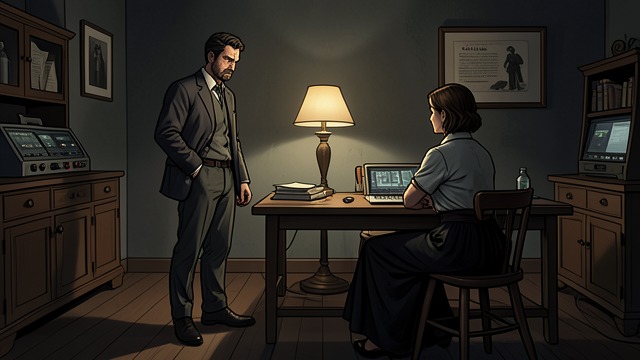
Wanted Obedience
Emotional Blindness
John knows Henrietta is independent but continues trying to make her place him first. He mistakes her detachment for a defect that can be corrected.
Resentment
His desire to control her intensifies the very distance he fears. Their affection becomes a struggle over whether love requires surrender.
Poirot Misreads the Tableau
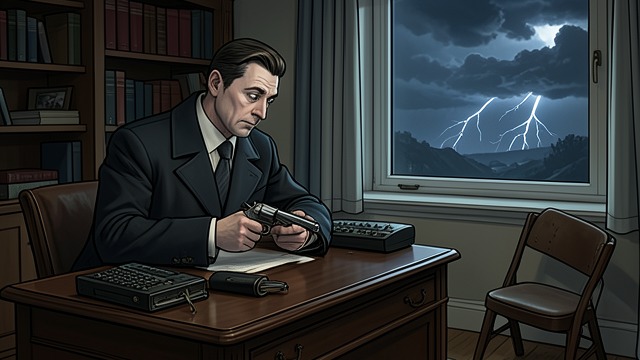
The Obvious Culprit
Visual Assumption
Poirot initially believes Gerda has shot John because the scene supplies every expected sign. His intelligence is defeated by a performance designed for his habits of reasoning.
Self-Correction
The wrong gun forces him to distrust the first impression. He begins treating interpretation itself as evidence.
Grange Misreads the Family
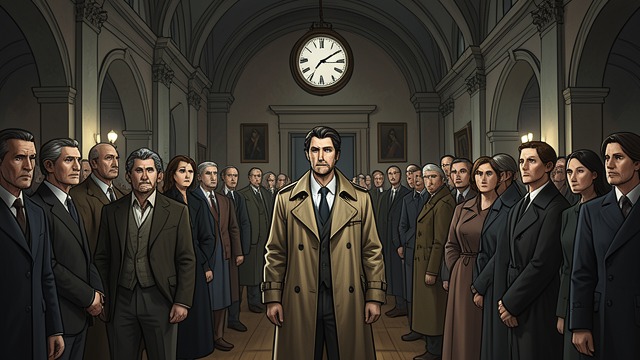
Rational Suspicion
Ordinary Motives
Inspector Grange searches for jealousy, inheritance, insanity, and romantic rivalry. Each theory is plausible but too narrow for the collective design.
Social Blindness
He interprets the household's evasions as random eccentricity. The family's class codes remain invisible to his procedural approach.
Gerda Misreads John
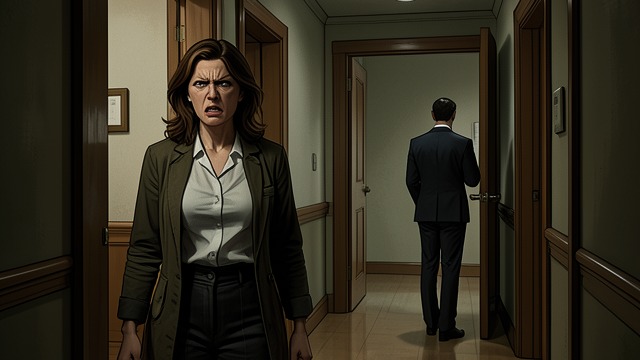
The Fatal Interpretation
Betrayal as Totality
Gerda interprets John's affair as proof that everything she believed about him was false. She cannot distinguish human weakness from total moral corruption.
Violence Follows Meaning
The murder is produced not only by what John did but by the meaning Gerda assigns to it. Misreading becomes an instrument of death.
Friday morning
Friday afternoon
Sunday at one o'clock
During the investigation
Saturday night
