
The London Warning
The Hound of the BaskervillesThis subplot follows the anonymous warning from its construction as a desperate message to its eventual identification as Beryl’s attempt to protect Henry.
increasing Bearing strength in each event
 decreasing
Bearing strength in each eventdecreasingWords Cut from Print

Words Cut from Print
A message assembled
Someone cuts words from The Times to form a warning that Henry should avoid the moor.
A deliberate disguise
Only the unusual word “moor” is handwritten, while the address is printed awkwardly.
The message conceals its writer while revealing urgency.
Holmes Reads the Source
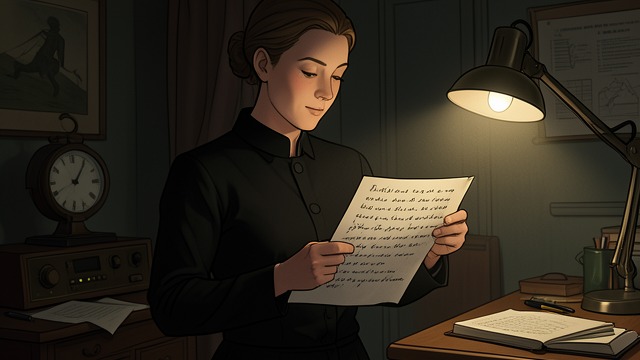
Holmes Reads the Source
Print as a fingerprint
Holmes identifies the text as coming from a leading article in The Times.
Circumstances inferred
Rushed cutting, hotel ink, and a disguised address suggest a frightened but educated sender.
His analysis narrows the method, not yet the identity.
A Warning Obeyed Too Late
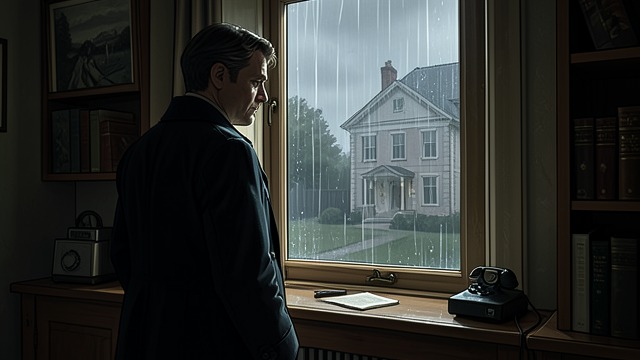
A Warning Obeyed Too Late
Henry chooses the estate
Despite the message, Henry refuses to surrender his family home to an unknown threat.
The sender’s aim remains hidden
Holmes considers whether the writer is a protector or a manipulator.
The warning cannot prevent Henry’s arrival.
The Scent of Jasmine
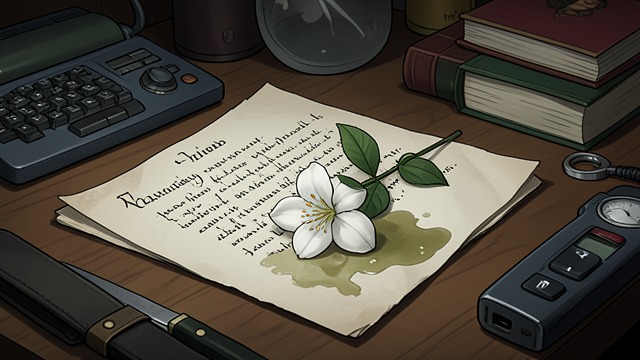
The Scent of Jasmine
A quiet clue
Holmes notices the faint scent of white jasmine on the paper.
Suspicion shifts
The perfume suggests a woman may have handled the message, directing his attention toward Beryl.
A sensory detail supports the eventual explanation.
Beryl Identified

Beryl Identified
A frightened author
Holmes explains that Beryl cut out the warning’s words because she feared Jack would discover her writing.
Protection at a distance
She tried to save Henry without openly betraying her husband before she had an opportunity to escape his control.
The anonymous threat was an act of courage.
The evening before Henry’s first meeting with Holmes
During Henry’s London consultation
As Henry prepares to travel west
During Holmes’s early examination of the letter
During Holmes’s final account of the London events
