
The Perelman Counterexample
The HumansThis thread follows the narrator’s discovery that Grigori Perelman’s rejection of fame challenges his assumptions about human greed.
increasing Bearing strength in each event
 decreasing
Bearing strength in each eventdecreasingThe Greedy Species Theory
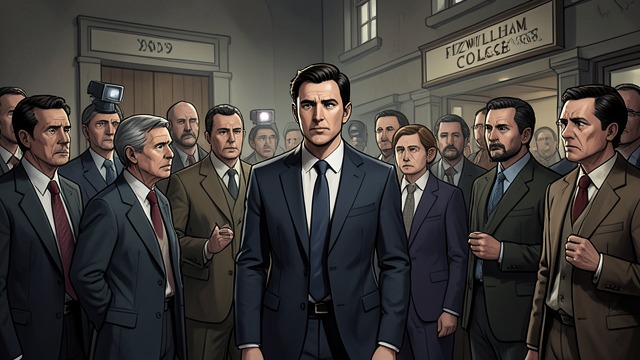
A Broad Judgment
The narrator’s belief
The operative assumes humans pursue money and recognition above all else. News and social customs seem to confirm his judgment.
A fragile certainty
His conclusion supports the mission by depicting humanity as too selfish to be trusted with advanced technology.
A Prize Refused

Evidence Against the Rule
Perelman’s choice
The narrator learns that Grigori Perelman declined major prizes and public honors after proving the Poincare conjecture. He preferred privacy and caring for his mother.
A counterexample
The mathematician’s behavior complicates the narrator’s claim that humans are motivated only by fame and money.
A Human Motive Beyond Reward
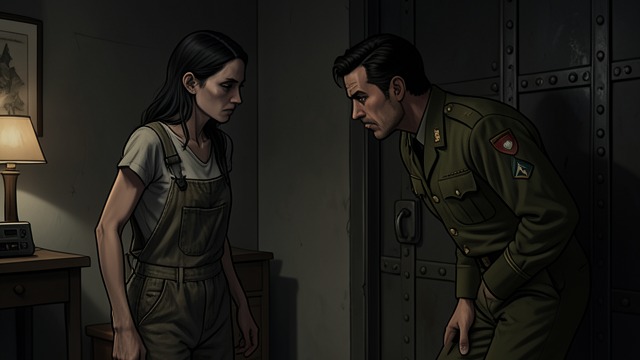
The Meaning of Refusal
A new possibility
Isobel Martin explains that some people have motives beyond financial reward. Her account connects Perelman’s choice to the narrator’s growing observations of care.
A challenged mission
If people can choose principle or responsibility over fame, then the operative’s portrait of humanity is incomplete. His certainty about who deserves destruction begins to weaken.
The Idea Reconsidered
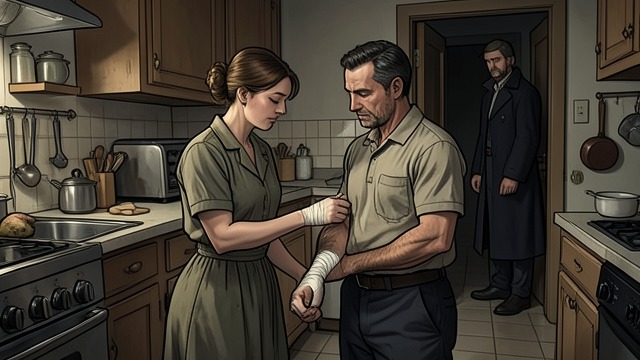
Evidence from Daily Life
Beyond one mathematician
The narrator encounters generosity in Isobel Martin’s care, Newton’s loyalty, and ordinary acts offered without obvious payment. These examples reinforce what Perelman first made possible to consider.
A changing judgment
Human goodness is not universal or uncomplicated, but it is real enough to invalidate a sweeping verdict on the species.
The Mission’s Moral Failure
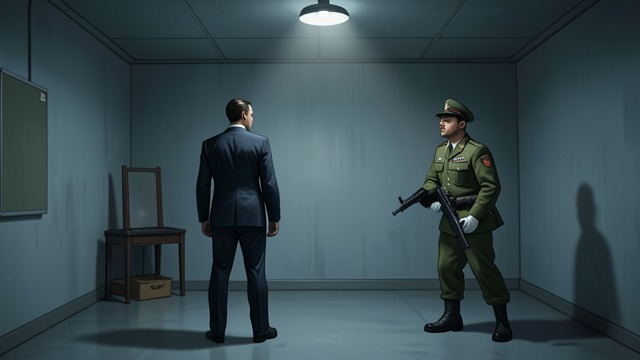
A Reversal of Judgment
The same logic returns
The replacement condemns humanity for greed and violence, using the narrator’s earlier arguments to justify killing. The narrator now recognizes how selectively that logic treats evidence.
A different standard
He refuses the replacement’s conclusion, not because humans are innocent but because no collective judgment can erase the value of individual lives.
During the narrator’s first days at home
After the narrator searches online for the Poincare conjecture
During the narrator’s conversation with Isobel Martin
After the narrator has healed Newton
When the replacement arrives
