
From Observer to Witness
The HumansThis thread traces the narrator’s changing relation to human suffering, from detached classification to responsibility for lives he has personally encountered.
increasing Bearing strength in each event
 decreasing
Bearing strength in each eventdecreasingCataloguing the Species
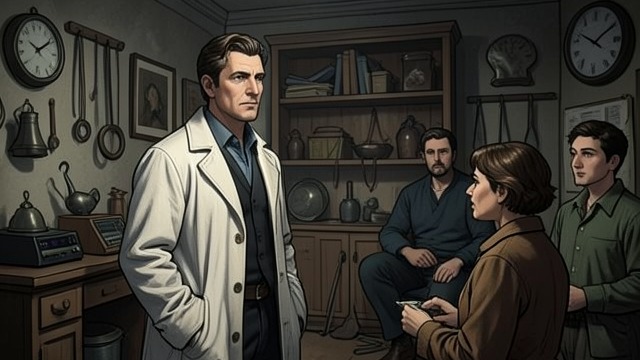
Human Life as Data
Observation from outside
The narrator classifies human habits, bodies, and institutions as strange or irrational. He sees people as examples of a species rather than individuals with distinct histories.
Detachment as protection
This stance makes the mission emotionally manageable. If humans remain a category, their destruction can be presented as an abstract necessity.
Watching a Man Die
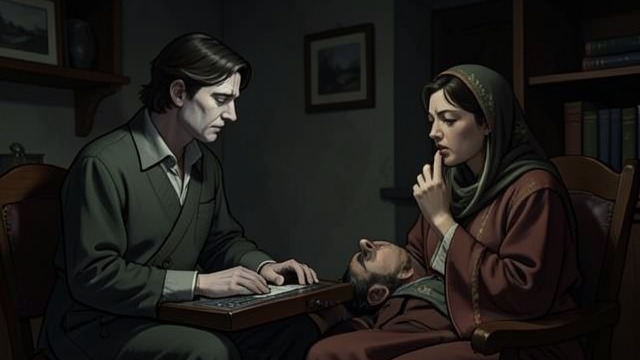
A Witness to Consequence
The death
The narrator watches Daniel Russell struggle to breathe and Tabitha Russell try to save him. The scene cannot be reduced to the narrator’s technical act of stopping a heart.
A personal disturbance
He feels longing and distress, emotions that have no useful place in the assignment. The observer begins to become implicated in what he sees.
The Dog Who Needs Help
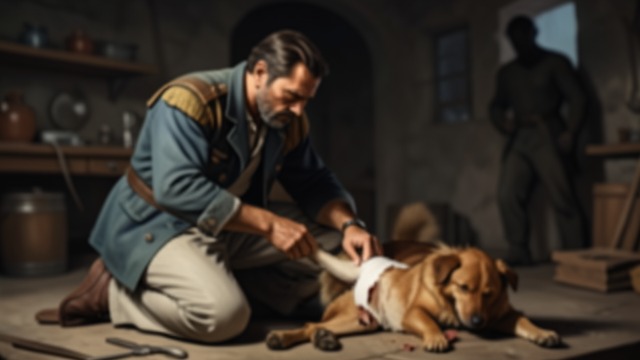
Care Without a Mission Purpose
Healing Newton
The narrator restores Newton’s sight and heals his leg, although helping the dog does not advance the assignment. The work leaves the narrator tired and physically affected.
A change in motive
He discovers an urge to heal that follows his capacity to hurt. His attention moves from gathering information to responding to suffering in front of him.
A Human Life Saved
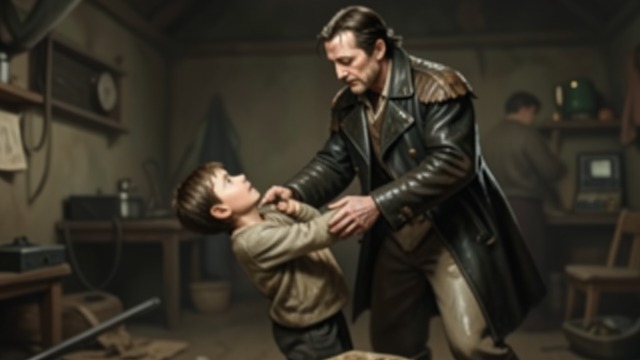
Responsibility Chosen
The rescue effort
The narrator uses his remaining power to bring Gulliver Martin back from apparent death. He accepts pain and exhaustion rather than stand aside.
The witness transformed
Saving the boy makes the narrator responsible for a future he had once been instructed to prevent. He is no longer merely watching human life; he is invested in its continuation.
A Witness Who Returns
Seeing Particular Lives
Reunion
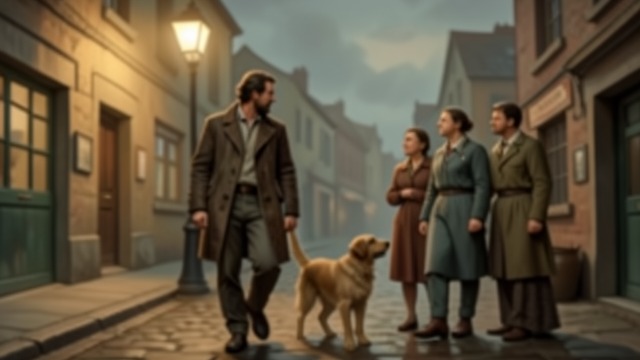
The narrator meets Gulliver Martin and Newton again. Their recognition gives his memories a present human form, rather than leaving them as distant observations.
A changed stance
He chooses to return toward the family, knowing he cannot control their response. Witness becomes participation when he accepts that other people’s lives can alter his own.
The first days after arrival
At Daniel Russell’s house in Babraham
The day after the killing
The night Gulliver Martin falls from the roof
After years away, in a Cambridge park
