
The Narrator’s Life After Immortality
The HumansThis thread follows the practical and emotional consequences of the narrator’s decision to live without alien regeneration or eternal life.
increasing Bearing strength in each event
 decreasing
Bearing strength in each eventdecreasingA Request to Be Disconnected
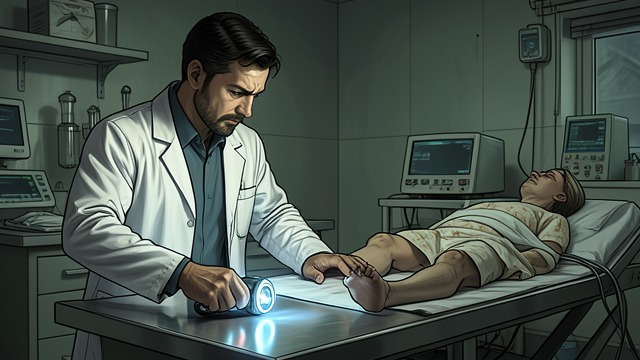
Choosing a Finite Body
The demand
The narrator asks the hosts to remove his gifts and let him remain on Earth. He understands that he will age, suffer illness, and eventually die.
The price accepted
The hosts grant the request as a punishment. The narrator accepts the loss because he wants a human life more than a return to painless certainty.
The First Human Morning
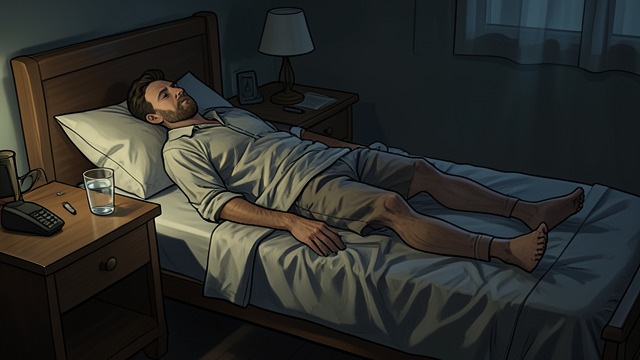
A Body That Hurts
Physical change
He wakes with tired eyes, stiffness, and pain, feeling forty-three years old. Ordinary bodily discomfort confirms that his powers are gone.
Anxiety about time
He worries about aging and about a future intervention from the hosts. The life he chose feels more dangerous once its consequences become bodily facts.
Daily Rhythm
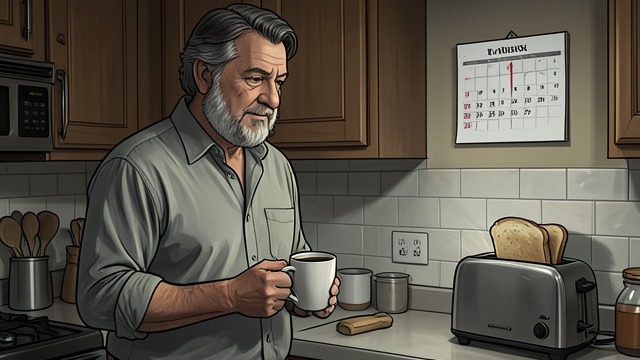
Ordinary Repetition
A human schedule
The narrator follows routines of washing, breakfast, work, meals, and sleep. He both enjoys having a rhythm and resents the repetition that structures human days.
No return to ease
There is no effortless technology to manage his needs. He must inhabit time through habits, discomfort, and small decisions.
Living Alone in California

A Life at Stanford
Solitary work
The narrator teaches at Stanford University, fills his apartment with plants, drinks, reads poetry, and tries to avoid close friendships that would demand answers about his past.
Persistent longing
Despite travel and new surroundings, he remains lonely and misses Isobel Martin and Gulliver Martin. Losing immortality has not removed the human need to belong.
The Return to Earthly Limits
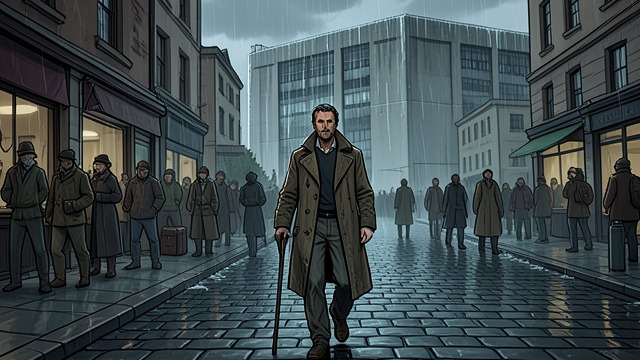
A Life He Chooses Again
A familiar world
Back in Cambridge, the narrator encounters Newton’s returning arthritis and cannot heal it. His desire to help remains, but the ability is gone.
A human response
He accepts limitation and chooses to walk toward the people he misses. The finite life is not solved; it is lived through care and action.
After Gulliver Martin’s rescue
The morning after the narrator is disconnected
The weeks after the disconnection
The year after leaving the Martin home
The final evening in Cambridge
