
The Hostile and Compassionate Faces of Humanity
The HumansThis thread traces the narrator’s shifting judgment of humanity, weighing its violence against its capacity for care and change.
increasing Bearing strength in each event
 decreasing
Bearing strength in each eventdecreasingA Species Condemned
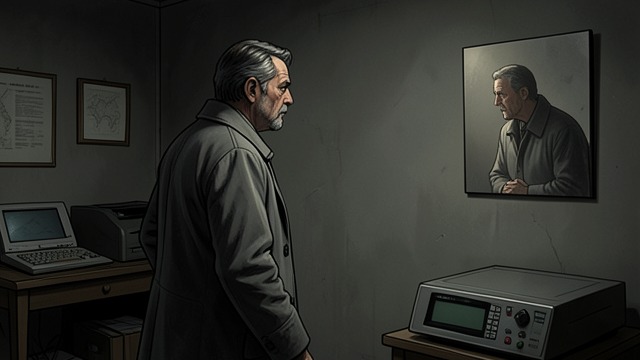
A Prejudged Humanity
The inherited account
The narrator arrives believing humans are violent, greedy, and psychologically unready for powerful mathematics. This judgment supports his assignment.
A collective verdict
He treats humanity as one moral unit, assuming that each individual participates in the species’ larger failures.
Evidence of Cruelty
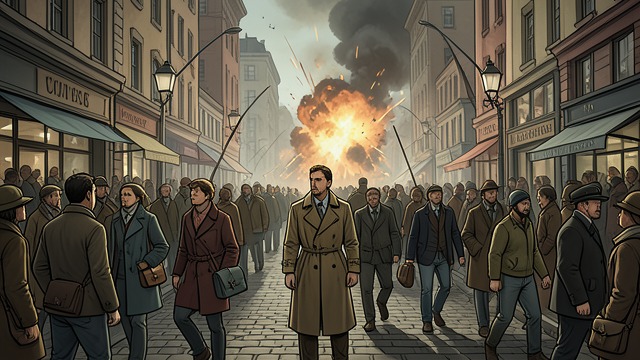
The War and Money Show
A troubling spectacle
The narrator sees reports of bombing, political conflict, and financial anxiety while noticing that other species receive little attention. Human priorities seem narrow and self-serving.
Judgment strengthened
The news appears to confirm his belief that people are indifferent to suffering beyond their immediate circle.
Evidence of Care
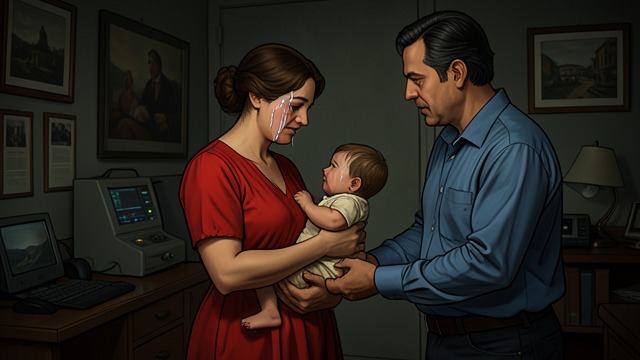
Human Attachment Revealed
A grieving spouse
Tabitha Russell’s desperate efforts to save Daniel Russell show devotion that cannot be explained by advantage. Isobel Martin’s care for the narrator provides another example.
A divided judgment
The narrator cannot reconcile compassion with the violence and selfishness he has observed. Humanity becomes contradictory rather than reducible to a single verdict.
Violence Turned Inward
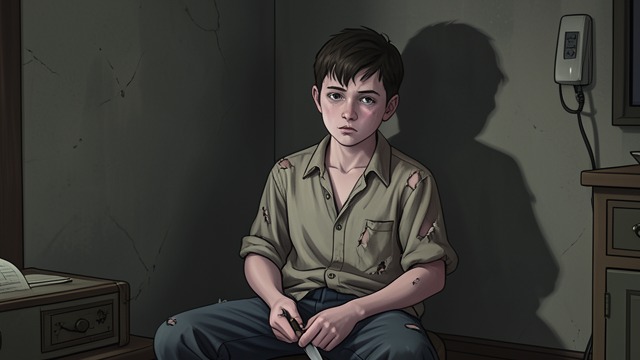
Pain Beneath Aggression
The boy’s distress
Gulliver Martin’s anger, bullying, and suicidal thoughts show that violence can arise from shame and isolation, not only from deliberate cruelty.
A more complex account
The narrator begins to distinguish harmful actions from fixed human nature. People can injure one another and still change when given care and a chance to act differently.
A Species Worth Protecting
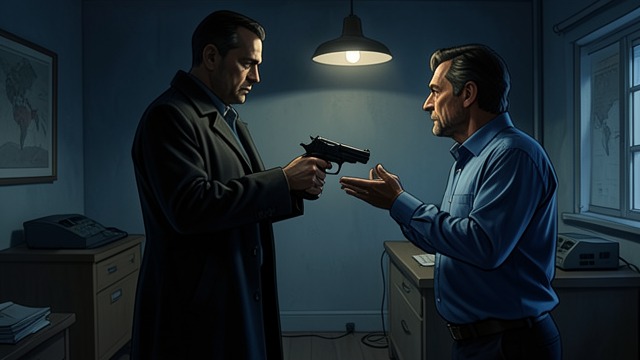
Judgment Reversed
The same accusations
The replacement repeats the narrator’s old indictment of humanity and treats it as reason to kill. The narrator recognizes the argument but no longer accepts its conclusion.
A defense of complexity
He protects people who remain flawed and dangerous. Humanity’s capacity for care and change makes a totalizing verdict morally inadequate.
Before the narrator’s arrival
During the narrator’s early viewing of the news
After the narrator witnesses Daniel Russell’s death
After Gulliver Martin’s crisis
During the final confrontation with the replacement
