
Language, Misreading, and Connection
The HumansThis thread follows the narrator’s struggle to interpret human words and gestures, and the gradual discovery that communication depends on attention beyond vocabulary.
increasing Bearing strength in each event
 decreasing
Bearing strength in each eventdecreasingWords Without Meaning
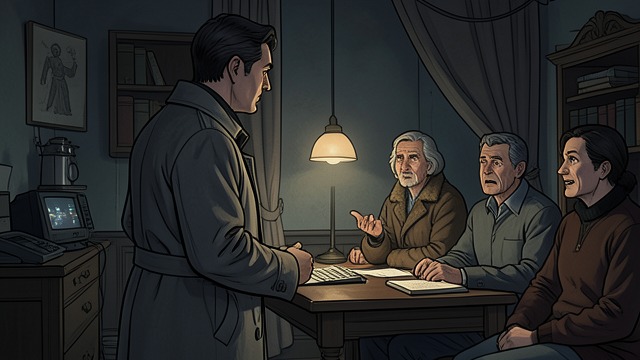
Language Unavailable
First encounters
The narrator hears people speaking but initially cannot understand their words. He reads faces, volume, and gesture as best he can while trying to remain alive.
A slow entry
He learns spoken language through exposure and written language through reading, discovering that words alone do not make social meaning clear.
The Magazine as Primer
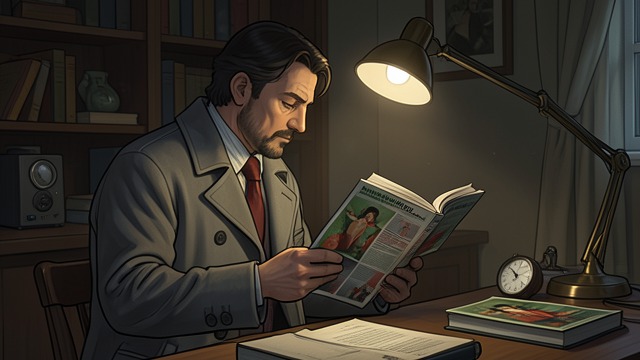
Reading into Society
A rapid lesson
The narrator reads Cosmopolitan magazine and quickly acquires written English. Its advice teaches him about human relationships, desire, and social expectations.
A distorted guide
The magazine offers information but also commercial myths. His first understanding of love and happiness is therefore vivid, literal, and badly incomplete.
The Language of Faces

Meaning Beyond Speech
Signs misread
The narrator struggles to distinguish fear, sadness, anger, and affection in Isobel Martin’s expressions. He recognizes that words fail to carry everything she means.
Attention grows
He begins to notice sighs, pauses, and changes in her face. Communication becomes a practice of observing another person rather than merely translating a sentence.
A Lecture Turns to Laughter
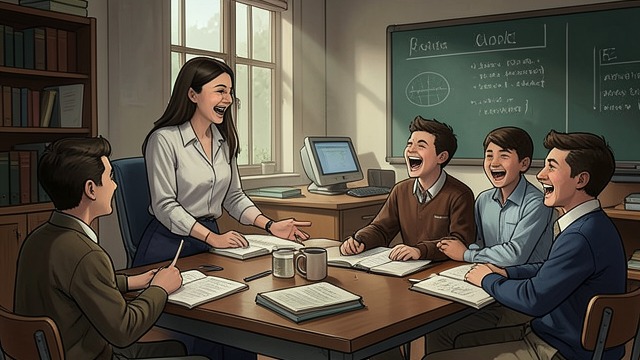
Finding a Shared Register
A classroom misunderstanding
A student jokes about the narrator’s clothes, referring to the Naked Professor incident. The narrator answers openly and turns the room’s laughter into a shared moment.
Connection through humor
He discovers that laughter can soften embarrassment and create belonging. Communication works not because everyone agrees but because they briefly recognize the same absurdity.
Truth Recognized Through Action
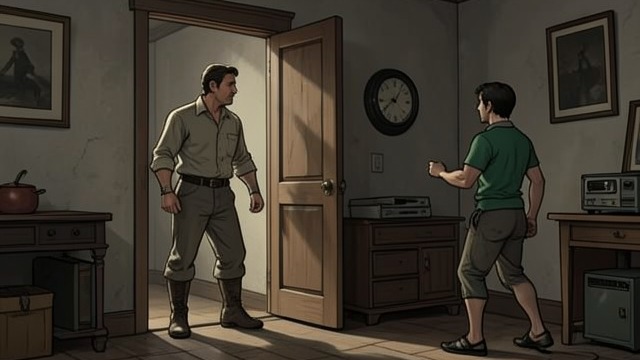
Beyond the Claim
Two competing accounts
The replacement tells Gulliver Martin that the narrator is an impostor. The narrator admits the truth but cannot make it immediately credible.
Trust enacted
Gulliver Martin sees the narrator risk himself to stop the killing. Action supplies a form of communication that words alone could not provide.
Immediately after the narrator wakes on the motorway
At the petrol station on the first morning
During the narrator’s early conversations with Isobel Martin
During the narrator’s return to teaching
During the replacement’s attack in the kitchen
