
Fate Written in Signs and Misreadings
The Hunchback of Notre DameThis thematic thread follows recurring signs of fate, from the ANArKH inscription and the amulet to the tokens that reveal identity too late.
increasing Bearing strength in each event
 decreasing
Bearing strength in each eventdecreasingThe Wall’s Word
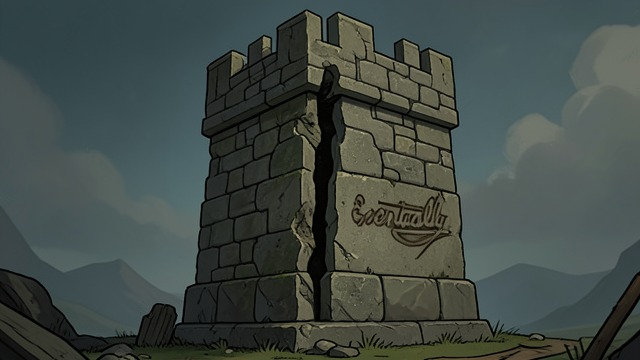
ANArKH in Stone
A remembered inscription
The narrator recalls finding ANArKH carved in a tower of Notre-Dame and later seeing it erased. The word becomes the book’s point of departure and an image of fatal necessity.
A human trace
The vanished carving suggests how people and monuments both bear marks that later generations cannot fully recover. Fate begins as a word left behind by an unknown hand.
The Amulet’s Promise
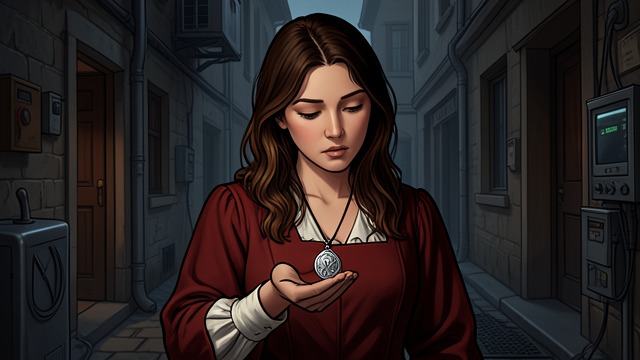
A Token of Return
A condition attached
Esmeralda carries an amulet said to help her find her parents if she remains chaste. The promise makes bodily restraint seem like a path toward family.
Hope under threat
Her belief shapes her choices with Phoebus and Gringoire. A private charm cannot control the public forces that will determine her fate.
Letters Name Phoebus
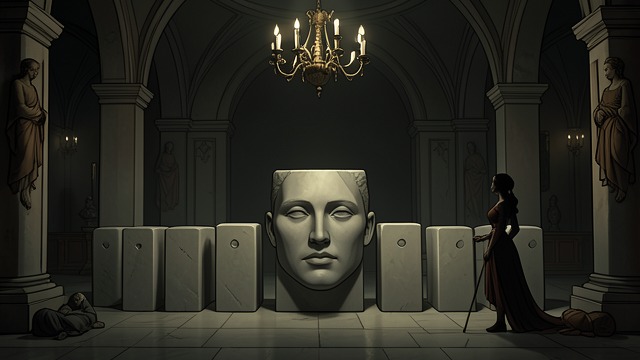
A Secret Made Visible
Djali spells a name
Djali arranges movable letters to form Phoebus’s name at the Gondelaurier Mansion. A trick meant for amusement exposes Esmeralda’s private attachment.
Consequences of disclosure
Fleur-de-Lys interprets the word as evidence of a rival and collapses. The scene shows how a sign can reveal an emotion while distorting its meaning.
The Spider’s Web
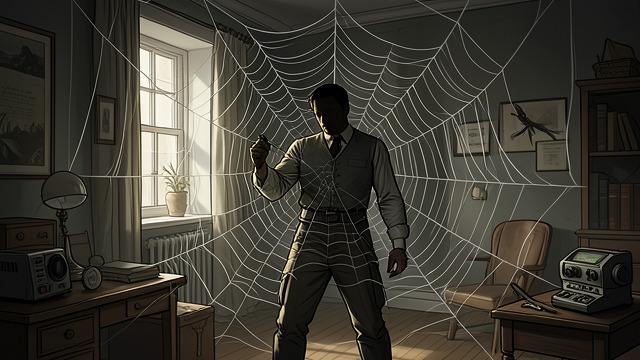
A Metaphor Becomes Life
Claude’s image
Claude watches a spider catch a fly and identifies himself with both predator and victim. He believes fate has drawn a web between his desire and the light he once pursued.
Responsibility obscured
The metaphor makes his choices seem inevitable. Yet he denounces Esmeralda himself, turning a fatalistic image into an excuse for human action.
The Matching Shoes
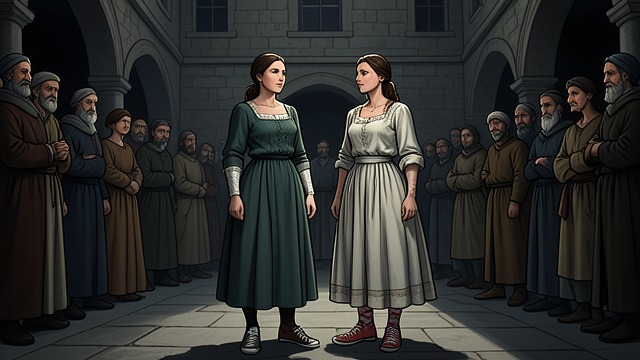
Fate Recognized Too Late
Two pieces reunited
Esmeralda and Gudule identify each other through their matching embroidered shoes. A keepsake preserved across fifteen years reveals their kinship.
Recognition cannot rescue
The token succeeds in answering the mystery of Esmeralda’s origins, but not in defeating the approaching executioners. Knowledge arrives just before the loss it might have prevented.
Years before the 1482 events
Esmeralda’s childhood, before she reaches Paris
March 1, 1482
Before Esmeralda’s trial
The dawn after the Notre-Dame siege
