
Paris Remembered in Stone
The Hunchback of Notre DameThis thematic thread follows the narrator’s portrait of Paris as a historical record whose physical fabric is continually transformed and erased.
increasing Bearing strength in each event
 decreasing
Bearing strength in each eventdecreasingAn Island City
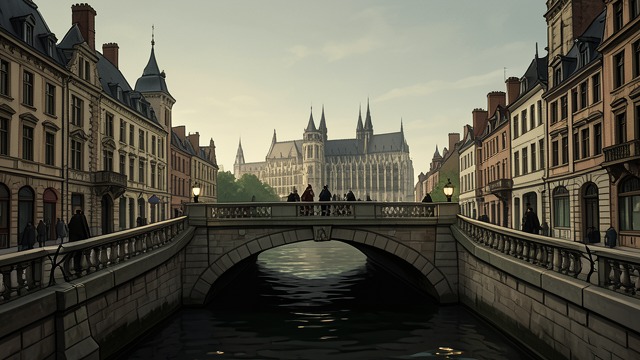
The City’s Origins
Water and walls
Paris begins around the Île de la Cité and expands across the Seine through bridges and successive enclosures. Its geography records the pressures of growth.
A connected whole
The City, Town, and University remain distinct yet interdependent. Their streets and bridges express the city’s social structure in physical form.
A City of Many Eras
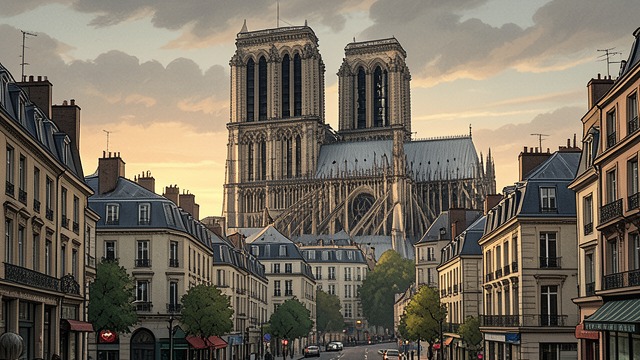
Buildings as Layers
Styles coexist
Houses, churches, colleges, palaces, and fortifications display different periods and purposes. A viewer from Notre-Dame’s towers can read the city as a dense historical landscape.
Architecture records society
The buildings are not isolated masterpieces but products of communities and accumulated labor. Their variety preserves the changing lives of Paris.
The City Rebuilt
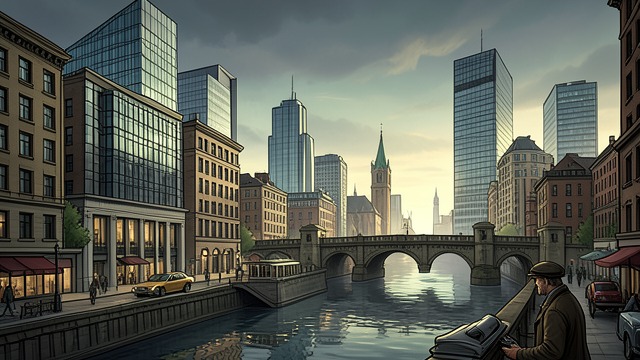
Growth and Destruction
New construction spreads
The city continues to expand beyond older walls, absorbing former fields and suburbs. New forms displace medieval structures rather than simply adding to them.
Loss within progress
The narrator argues that Paris gains size while losing coherence and historical beauty. Urban change becomes an argument about what a city chooses to remember.
A Modern City of Plaster
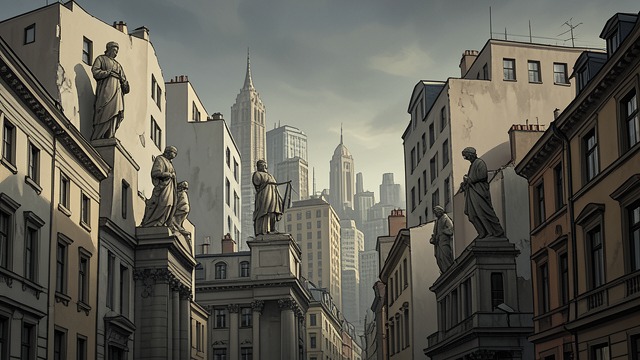
A Broken Physiognomy
Many centuries mixed
The narrator sees modern Paris as a collection of architectural fragments without a unified historical character. New houses increasingly conceal older monuments.
Memory threatened
Stone gives way to plaster as rapid rebuilding erases the material record of earlier generations. The city risks losing the visible history that made it legible.
The Bells Above Paris
The City’s Voice
Sound crosses districts
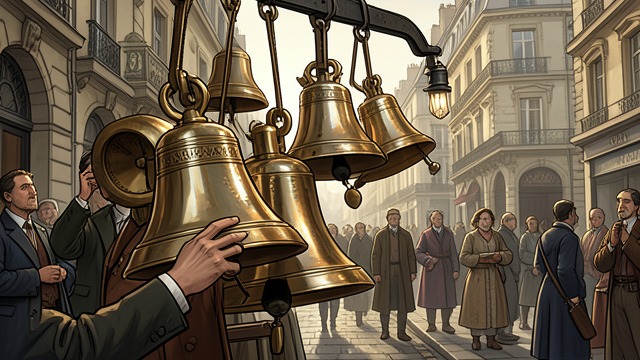
The narrator imagines bells answering across churches, towers, and neighborhoods. Their combined sound turns Paris into an orchestra.
A living chronicle
The city’s voices bind inhabitants to its monuments and shared past. What stone records visually, the bells make audible across the urban landscape.
The narrator’s reconstruction of Paris in 1482
Paris in the late fifteenth century
The sixteenth century and after
The narrator’s nineteenth-century present
A imagined festival morning in the narrator’s reflection
