
Fate’s Image of the Web
The Hunchback of Notre DameThis thematic thread traces the novel’s recurring sense of fatal entanglement while distinguishing circumstance from characters’ chosen acts.
increasing Bearing strength in each event
 decreasing
Bearing strength in each eventdecreasingThe Carved Warning
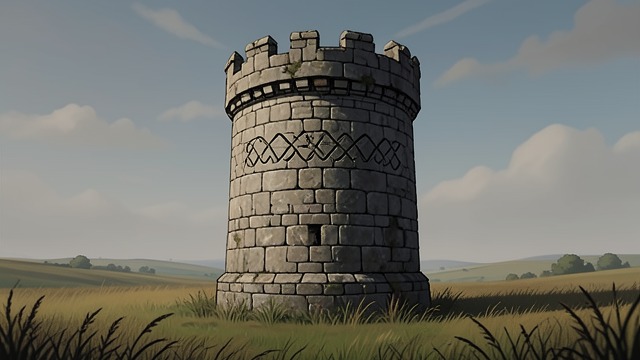
A Word in the Tower
An erased inscription
The narrator recalls ANArKH carved into Notre-Dame and later erased by renovation. The word gives the story a frame of necessity and loss.
Fate as interpretation
The inscription does not explain the characters’ choices. It invites readers to consider how people understand events that seem to bind them.
The Failed Experiment
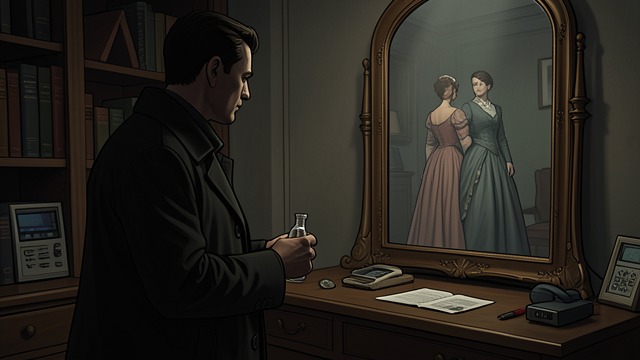
Claude Seeks Control
A name against fate
Claude tries a magical formula intended to affect Phoebus, but his effort fails. His obsession has made him seek power over another person rather than accept uncertainty.
Choice beneath fatalism
He speaks as though destiny governs everything, yet he continues to act: watching, following, and finally attacking. The web of fate is partly woven by the people trapped in it.
The Web and the Fly
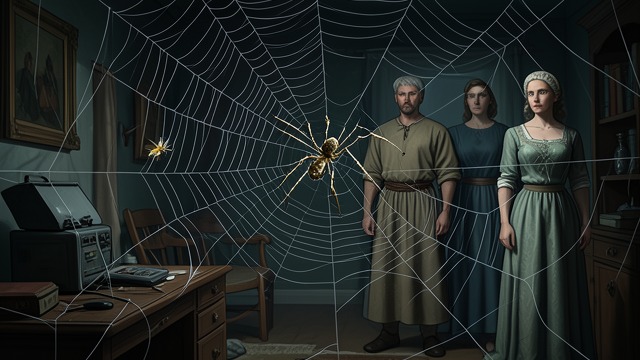
A Life Compared to Capture
Claude’s parable
Seeing a spider catch a fly, Claude describes himself as both predator and prey. The image expresses his sense of entrapment in desire.
An image of evasion
The metaphor risks hiding his agency and Esmeralda’s suffering. He is not merely caught by fate; he has helped construct the danger that closes around her.
The Rescue Repeated
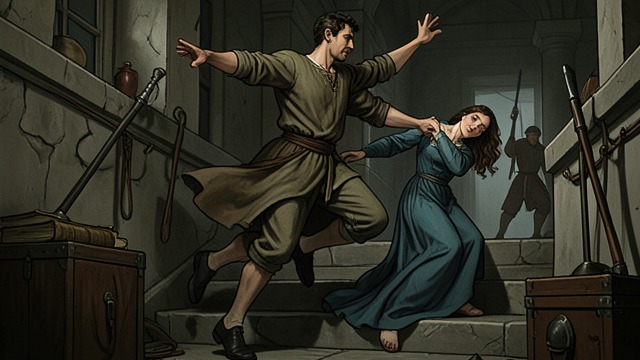
A Choice against the Sentence
Quasimodo acts
Quasimodo rescues Esmeralda as the executioners prepare to take her. The intervention is sudden, but it grows from the earlier kindness she showed him.
Fate interrupted briefly
His action breaks the expected course of events and creates a refuge. It cannot erase the sentence or the forces gathering against her.
The Ending Fulfilled
Inevitability and Responsibility
Loss becomes permanent
Esmeralda dies, Claude falls from the tower, and Quasimodo vanishes. The story fulfills the ominous sense of fate established by the inscription.
Human causes remain visible
Their endings arise through identifiable decisions, prejudice, and institutional force. The novel’s fatalism coexists with its indictment of people who make the tragedy possible.
Before the narrative’s central events
March 29, 1482, before Phoebus’s meeting
After Esmeralda’s condemnation
The day of Esmeralda’s public penance
The final morning and its aftermath
