The 1466 plague in the Paris region
The Hunchback of Notre DameThe 1466 plague in the Paris region is the catastrophe that ends Claude Frollo’s scholarly isolation and makes him responsible for his surviving infant brother. The outbreak kills his parents, but the child’s survival gives the loss an immediate consequence: at nineteen, Claude must leave his books and begin a life shaped by family duty and affection.
The outbreak in Paris
In the summer of 1466, excessive heat was followed by a major outbreak of plague that carried off more than forty thousand people in the vicomty of Paris. At the University of Paris, rumor singled out Rue Tirechappe as especially devastated. Claude’s parents lived there, within their fief, so the report turned a widespread calamity into an immediate threat to his family.
The household’s loss
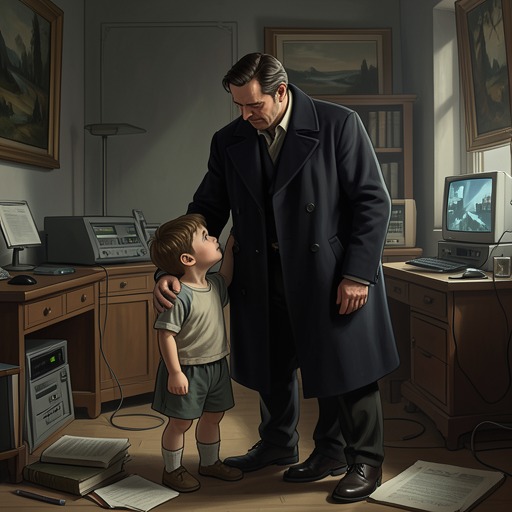
Alarmed by the news, Claude hurried to his parents’ house. He arrived to find that both had died the day before. Their very young son, still in swaddling clothes, remained alive and was crying, abandoned in his cradle. No other member of the family remained to Claude. He took the child under his arm and left in a pensive mood.
A change in Claude’s life
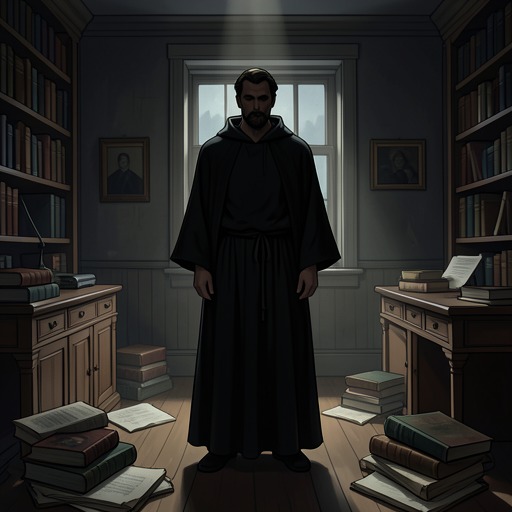
Until the plague, Claude had lived for learning; the deaths of his parents and the survival of his brother abruptly recalled him from schoolroom reverie to practical life. Orphaned and the eldest at nineteen, he became head of the family. His response to the child was not merely a new obligation: pity developed into an intense devotion, a first experience of human affection for someone who had previously loved his books alone.
The narrative presents this turn as a change in Claude himself. His brother makes him recognize that life includes affections as well as the intellectual pursuits of the Sorbonne and the literature he had studied. Yet Claude, still young and inexperienced in love, believes that family bonds alone can satisfy the need for tenderness. The plague therefore marks both a concrete bereavement and the beginning of the attachment that will shape his understanding of human feeling.