Bread from District 11
The Hunger GamesThe Bread from District 11 is a small loaf of dark ration grain bread, shaped in a crescent and sprinkled with seeds, that arrives by silver parachute to Katniss Everdeen in the arena of the Seventy-fourth Hunger Games. It is the first known instance in the history of the Games of a district sending a gift to a tribute who is not their own, and it carries immense symbolic weight as a gesture of gratitude, solidarity, and quiet defiance against the Capitol's system of enforced isolation and enmity between the districts.
Origin and Arrival
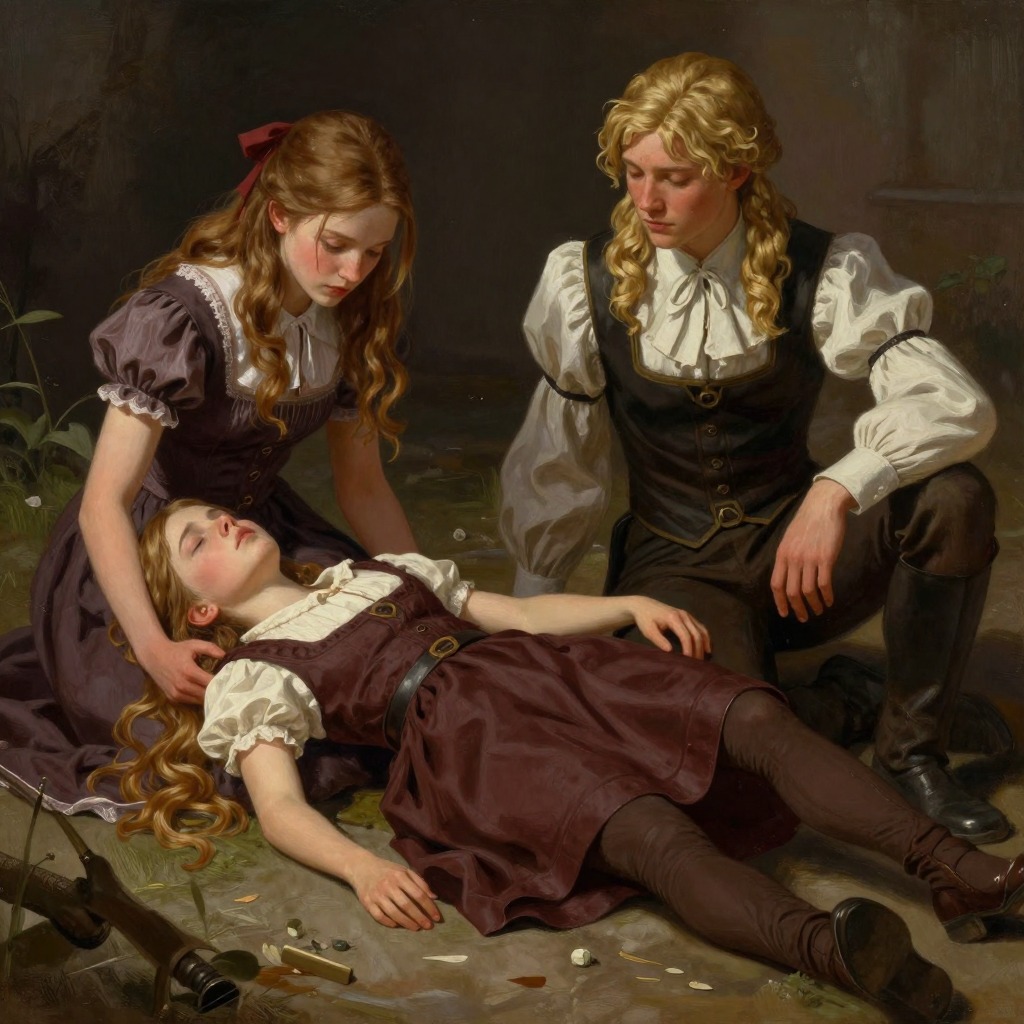
The bread appears shortly after Rue's death. Katniss has just finished decorating Rue's body with wildflowers—violet, yellow, and white blossoms—as an act of tribute and defiance, and she is wandering the arena in a state of despondency. A silver parachute floats down and lands in front of her. Inside, she finds the loaf, still warm. She immediately recognizes it as bread from District 11, having learned from Peeta Mellark's lesson on district breads in the Training Center that the crescent shape and seeds are distinctive to that agricultural district. The bread was originally intended for Rue, but after her death, the people of District 11 authorized Haymitch Abernathy to give it to Katniss instead.
Meaning and Significance
The gift is extraordinary because it breaks the unwritten rule that districts do not support tributes from other districts. The people of District 11, who can barely feed themselves, must have pooled scarce resources to buy this single loaf. Katniss understands the magnitude of the gesture: "What must it have cost the people of District 11 who can't even feed themselves? How many would've had to do without to scrape up a coin to put in the collection for this one loaf?" The bread is a thank-you for Katniss's alliance with Rue, for her attempt to save Rue's life, for killing Rue's killer, and for the flowers and the lullaby she sang as Rue died. It is also a recognition that Katniss, like Rue, is a victim of the Capitol's cruelty.
Katniss's Response
Katniss steps into the last rays of sunlight and speaks directly to the cameras: "My thanks to the people of District Eleven." She wants them to know she understands where the bread came from and that she recognizes the full value of their gift. Later, she climbs high into a tree and eats the bread in tiny bites, finding that it "tastes of home." The bread sustains her through the night and helps her regain some strength. She finishes the loaf the next morning, along with the last of the rabbit, before forcing herself to hunt again.
Thematic Resonance
The Bread from District 11 is a concrete symbol of the possibility of cross-district solidarity in a system designed to keep the districts isolated and hostile to one another. It echoes the earlier moment when the crowd in District 12 refuses to applaud Katniss's selection as tribute and instead gives her the three-finger salute. Both acts are small, quiet rebellions that the Capitol cannot easily punish. The bread also reinforces the theme of debt and gratitude that runs through the novel: Katniss feels she owes Rue, and the bread from District 11 is a repayment of that debt. When Thresh later spares Katniss's life because of her kindness to Rue, he says, "Just this one time, I let you go. For the little girl. You and me, we're even then. No more owed." The bread is the first link in this chain of reciprocal obligation that transcends the boundaries the Capitol has imposed.
Connection to the Capitol's System
The bread also highlights the grotesque inequality of Panem. District 11 grows the food that feeds the Capitol, yet its own people are starving and cannot eat the crops they harvest. Rue tells Katniss that in District 11, stealing crops is punished by public whipping, and the mayor is "very strict about it." The bread that the people of District 11 send into the arena is a luxury they can barely afford, a sacrifice made out of love for Rue and gratitude to Katniss. It stands in stark contrast to the lavish feasts of the Capitol and the carefully rationed supplies of the arena, reminding the reader that the Hunger Games are not only a spectacle of violence but also a tool of economic oppression.