
Carswell’s Quiet Vindication
The IPCRESS FileCarswell’s patient statistical work gives an underestimated analyst a consequential role in uncovering the thought-reform network.
increasing Bearing strength in each event
 decreasing
Bearing strength in each eventdecreasingA Reluctant Statistician
A Reluctant Statistician
An Abstract Assignment
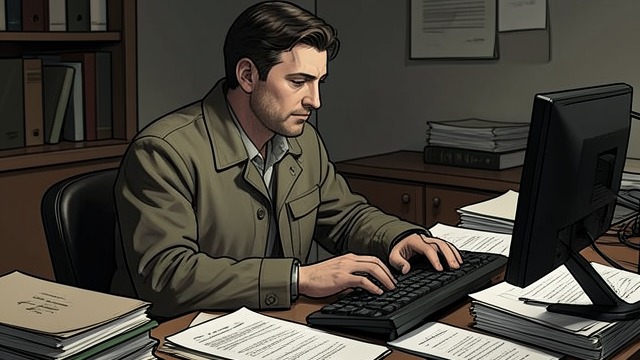
Carswell explains how he and Murray searched security-clearance records for patterns without deciding in advance what to find. His careful method contrasts with the more action-driven expectations of the narrator.
A Mind at Work
The narrator initially finds the results tedious and doubts their practical value. Carswell’s personal history reveals that the apparent routine is the work he has chosen and learned to value.
The scene establishes Carswell as a thoughtful observer whose strengths are easy to overlook in a service that prizes immediate action.
The Manager’s Friction
The Manager’s Friction
Practical Results Requested
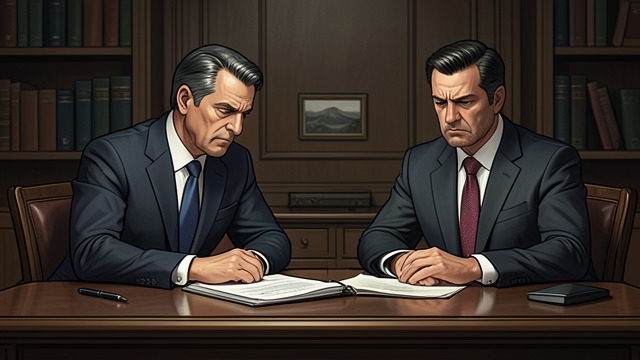
Carswell continues studying the concentrations and unusual traits, while the narrator becomes impatient with the lack of a direct lead. Their differences are professional rather than personal, but they strain the work.
Respect Behind the Irritation
The narrator hears Carswell explain the discipline required to build a reliable pattern from tedious calculations. He recognizes that dismissing the process too early could mean losing the only useful clue they have.
Their uneasy partnership develops into a lesson about the value of analysis that cannot yet produce an arrest.
The Clusters Gain Meaning
The Clusters Gain Meaning
From Data to Method
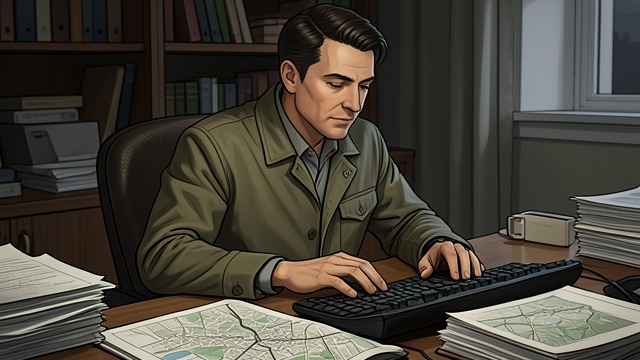
The patterns of illness and temporary absence correspond to the places where targets could be physically weakened before conditioning. The evidence that once looked statistical begins to describe a practical system.
The Analyst’s Importance
Carswell’s work has identified a major feature of the network without knowing the full plan. His role becomes essential even though he never designed the operation he helped expose.
The change from abstract data to operational evidence vindicates his patient approach.
A Hidden Analyst
A Hidden Analyst
Protection Through Disappearance
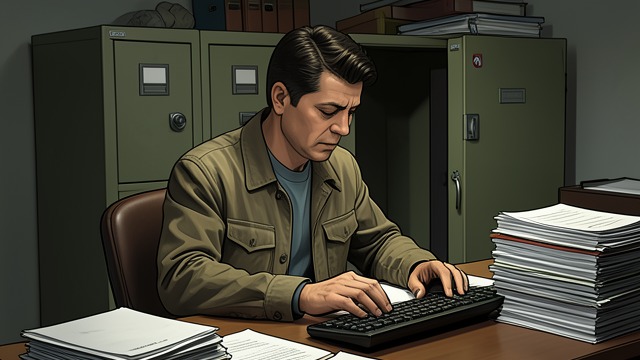
The narrator learns that Carswell and Murray were kept away from the main office, partly because their findings could endanger them. Their absence initially seemed like an administrative inconvenience rather than protection.
A Missing Identity Trail
Charlie cannot find a convincing service record for Carswell, increasing the narrator’s uncertainty about the people around him. Later the disappearance of the record is understood as deliberate concealment.
Carswell’s personal security becomes bound to the same secrecy that makes his analysis difficult to verify.
A Witness to the Aftermath
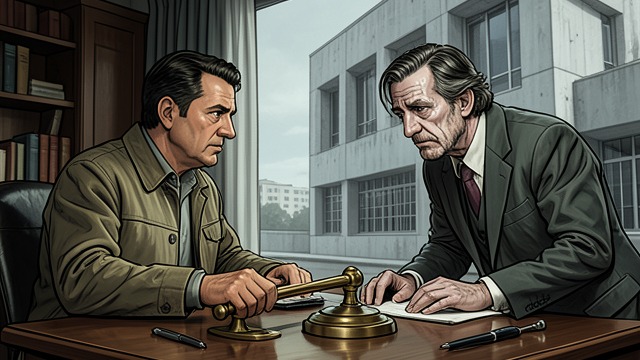
A Witness to the Aftermath
Evidence and Recovery
Carswell shares space with Raven under Painter’s care, while the investigators depend on both men to clarify what happened. Their knowledge is valuable, but the conditioning program has left the human evidence fragile.
Quiet Recognition
The narrator acknowledges that Carswell was not a fool and that his early work helped reveal the plot. Carswell receives no triumphant transformation, only belated recognition of the importance of his method.
His arc rewards persistence while showing that intelligence work rarely offers its most useful contributors a clean victory.
At the first conference about missing specialists
During the weeks after Carswell begins his analysis
After the narrator connects the clusters to nursing homes
After the narrator returns from Wood Green
Near the ending, after Painter joins the investigation
