
The Ethics of Covert Work
The IPCRESS FileThe novel repeatedly tests whether secrecy, coercion, and violence can be justified by the ends intelligence agencies claim to serve.
increasing Bearing strength in each event
 decreasing
Bearing strength in each eventdecreasingA Legal Maxim
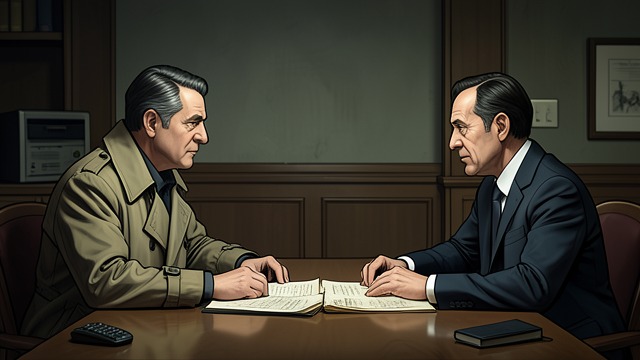
A Legal Maxim
Ends and Means
Dalby invokes the argument that lawful ends can authorize otherwise questionable methods. The narrator recognizes the maxim and understands that Dalby is asking him to act beyond ordinary rules.
Consent Under Pressure
The narrator accepts the assignment but does not become comfortable with the reasoning behind it. Their banter conceals a serious disagreement about where duty ends and abuse begins.
The maxim becomes a framework for judging later acts of deception, kidnapping, and coercion.
Violence in Lebanon

Violence in Lebanon
A Mission Turns Lethal
The team uses a sticky bomb and gunfire to stop the car carrying Raven. The narrator participates in a second attack and confronts the physical reality of killing.
Duty’s Moral Residue
Dalby tells him that nobody likes the work, even if some continue doing it. The narrator remembers the burned bodies and discarded clothing rather than accepting the language of successful operation.
The recovery succeeds operationally while leaving a moral cost that professional procedure cannot erase.
The Impossible Interrogation
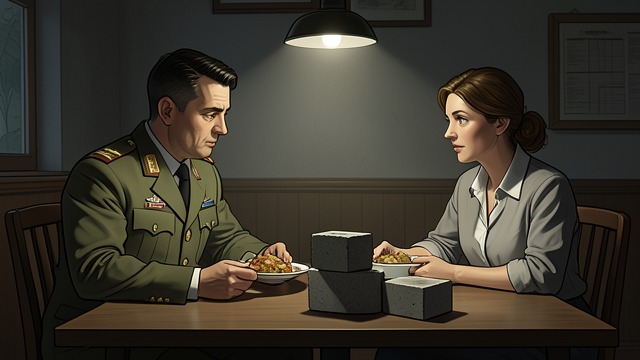
The Impossible Interrogation
A Gentle Approach
The Brigadier questions the narrator with food, conversation, and evidence rather than relying only on violence. He wants an account but recognizes that the narrator may be innocent.
The Limits of Good Faith
The same institution has detained and beaten the narrator, and the Brigadier cannot simply restore his freedom. Their conversation tests whether humane conduct can exist within a coercive system.
The interrogation complicates the distinction between an enemy and an ally without resolving the narrator’s legal danger.
Thought Reform as a Weapon

Thought Reform as a Weapon
Control of the Self
The captors use hunger, shifting rules, disrupted sleep, and staged conversations to weaken the narrator’s ability to resist. The violence is designed to reshape thought rather than simply extract information.
A Political Question
Jay later argues that thought reform may be less destructive than conventional weapons because it leaves bodies alive. The narrator’s experience contradicts that comforting claim by showing the damage done to identity and agency.
The conflict is not only between states but over whether a person’s mind can be treated as legitimate territory.
The Argument Afterward
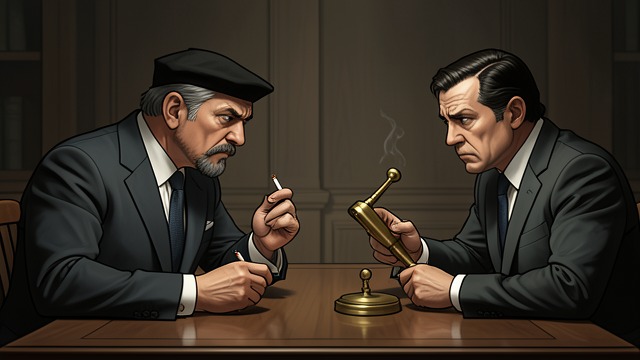
The Argument Afterward
A Debate Over Power
The narrator and Jean discuss the political logic of the network and the vulnerabilities it exploits. Jay’s motives remain connected to information, money, and personal power rather than a simple doctrine.
No Clean Judgment
The explanation describes methods without turning their perpetrators into monsters beyond comprehension. The narrator refuses to treat technical sophistication as moral justification.
The conflict ends institutionally with arrests, but the argument about power and coercion remains unsettled.
During Dalby’s first explanation of the mission
Before dawn during the Baalbek ambush
After the narrator’s arrest on Tokwe
During the narrator’s confinement in Wood Green
Near the ending, during the narrator’s explanation to Jean
