
The Narrator’s Moral Memory
The IPCRESS FileThe narrator’s recollections of violence complicate his professional competence and resist the clean language of operational success.
increasing Bearing strength in each event
 decreasing
Bearing strength in each eventdecreasingThe First Killing Remembered
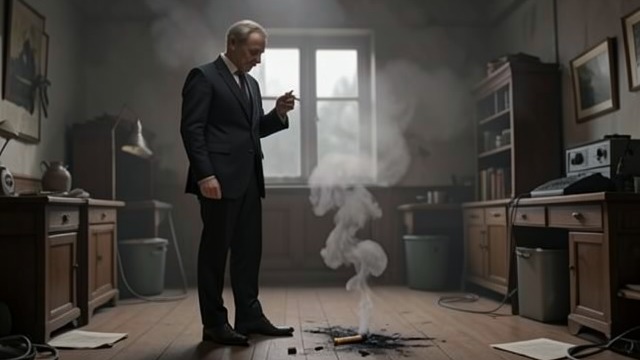
The First Killing Remembered
A Count of Deaths
When Jean asks about the American personnel the narrator killed, he answers that he has killed three people outside the war. His blunt accounting carries anger but also a refusal to deny the act.
No Easy Explanation
He calls the incident a mistake but does not present that word as an absolution. The memory has become part of the suspicion directed at him and part of his own moral history.
The conversation reveals how past violence can be repurposed as evidence of present disloyalty.
The Roadside Aftermath
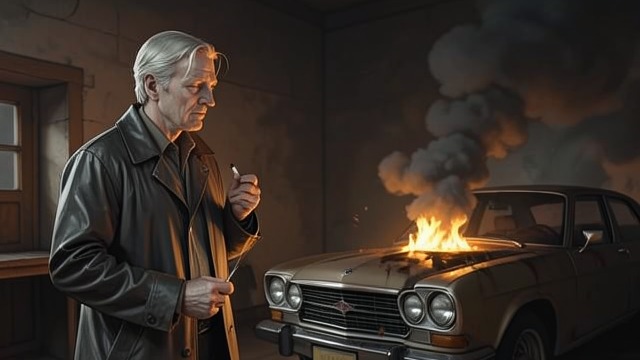
The Roadside Aftermath
A Scene of Death
The narrator descends to the road after the attack and vomits while the burning vehicles continue to smolder. The smell and heat remain more vivid than the language of successful recovery.
The Cost of Participation
The team destroys identifying clothing and moves on with Raven, but the narrator cannot make the violence seem impersonal. He notices small details because the event resists being reduced to a report.
The operation’s success does not erase the bodily knowledge of what it required.
A Pair of Dead Spectacles
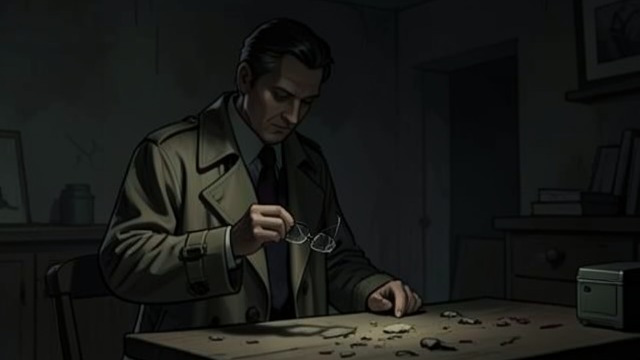
A Pair of Dead Spectacles
An Object Left Behind
The narrator receives a dead man’s cracked spectacles from Dalby and recognizes how intimately they belonged to their owner. A trivial personal object becomes more affecting than the tactical account around it.
Private Remains
The spectacles expose the individuality erased by anonymous violence. The narrator does not know the dead man, but the ordinary wear of the glasses makes his absence feel specific.
The image resists the service’s impulse to treat casualties as operational residue.
The Guard’s Body
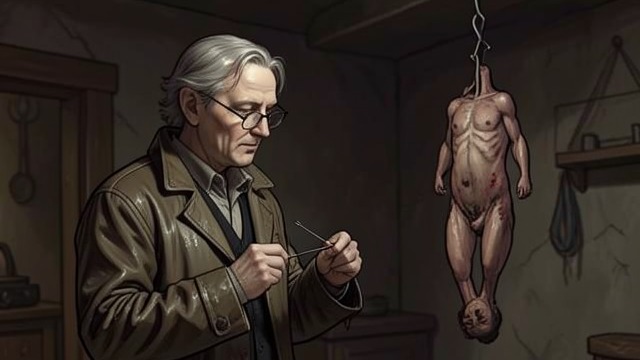
The Guard’s Body
A Fatal Discovery
A spotlight reveals a dead soldier caught in a tower connected to high-voltage lines. The narrator understands that no one could survive the electrical contact.
Responsibility Unclear
The narrator is arrested before he can determine who arranged the death or what role Dalby played. The body becomes the center of an accusation that the narrator cannot disprove.
A single death shifts an intelligence operation into a moral and legal crisis.
A Death With a Name
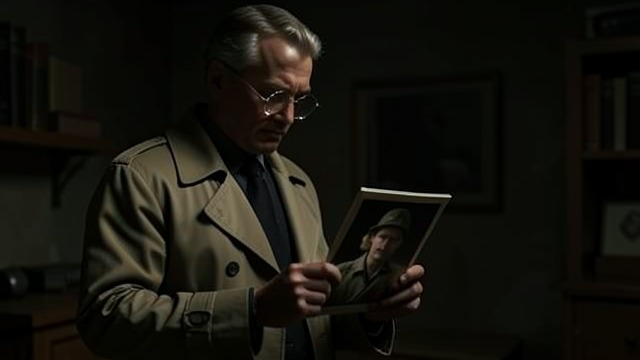
A Death With a Name
The Young Soldier Identified
The Brigadier shows the narrator photographs of Corporal Steve Harmon and tells him about the young man’s short service and first view of the ocean. The dead guard becomes a particular person rather than a faceless uniform.
A Difficult Accusation
The narrator has reason to believe the circumstances were engineered, yet the Brigadier insists that a real family has lost a son. The conversation demands that suspicion and compassion exist together.
The scene gives the consequences of the frame-up a human scale that no technical reconstruction can undo.
After the narrator learns of suspicion at Tokwe
Before dawn after the Baalbek ambush
At dawn after the roadside attack
At 2:36 a.m. on the Tokwe test night
During the Brigadier’s later interview
