
A Spy’s Insurance Policy
The IPCRESS FileHidden money, identities, and favors give the narrator several routes to survive, while making escape dependent on carefully accumulated debts.
increasing Bearing strength in each event
 decreasing
Bearing strength in each eventdecreasingDocuments in Reserve
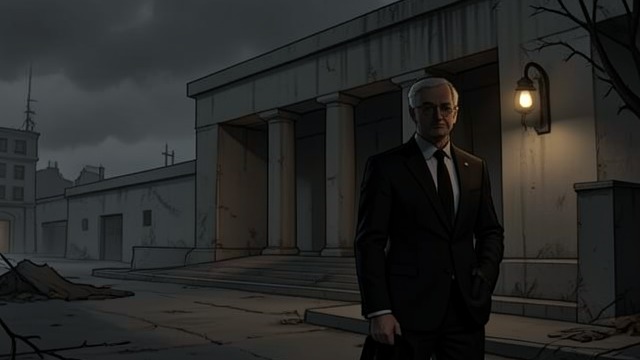
Documents in Reserve
A Prepared Identity
The narrator’s service replaces his official identity, but the work also requires alternate papers for future emergencies. Documents are created, concealed, and separated from ordinary records.
Survival by Preparation
The narrator understands that a false identity is useful only if its supporting details have been prepared in advance. His professional life becomes a collection of possible exits.
The practice introduces insurance as a material response to a world where official protection may disappear.
The Hidden Account

The Hidden Account
A Cable’s Promise
Grenade’s message tells the narrator that money is available through a coded account. The funds represent a relationship maintained across years and political borders.
An Uncertain Resource
The narrator can use the money but does not know whether its origin will expose him to legal or intelligence risks. Even help arrives with possible liabilities attached.
The account offers a way forward without providing uncomplicated safety.
A Bag of Alternatives

A Bag of Alternatives
Prepared for Flight
The narrator retrieves alternate passports, cash, clothing, and safe-deposit information. These resources let him move through London while the authorities may be searching for him.
Self-Reliance Has a Cost
The preparations protect him but also confirm that he expects institutions to fail him. Each escape route depends on a false identity, stored property, or a person willing to accept risk.
The bag is both a practical safeguard and a portrait of a life organized around anticipated betrayal.
A Friend’s Safe House

A Friend’s Safe House
Help Beyond Documents
Charlie’s home gives the narrator what money and false papers cannot: rest, food, and a human witness who recognizes him. The refuge is secured by trust rather than a formal arrangement.
Exposure Through Attachment
The same personal connection makes Charlie vulnerable to the network’s violence. The narrator’s safest resource becomes the point through which danger reaches him.
The episode shows that emotional insurance can be more valuable than money, and more costly to lose.
Paying Debts Forward
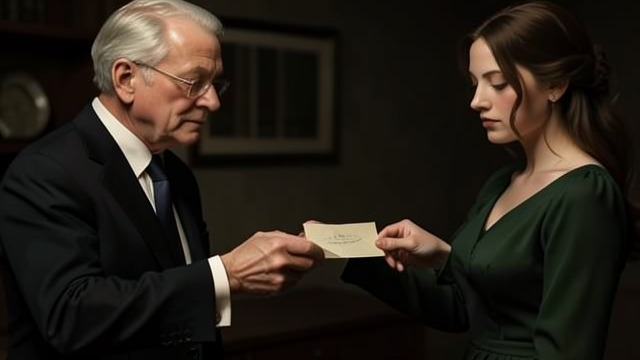
Paying Debts Forward
Ordinary Repayments
The narrator pays the pianist and sends an oil heater to Alf Keating, repaying small acts of help from people outside the intelligence service. He also recognizes that Charlie’s aid cannot be repaid in the same way.
A Network Rebuilt
The repayments preserve a personal chain of obligation beyond the official operation. They suggest that survival depends not only on stored assets but on remembering who treated someone humanely.
The insurance policy ends as a practice of reciprocal care as well as covert preparation.
During the narrator’s changing-papers procedure
During the Tokwe garden party
After leaving Charlie, before the drive to Dalby’s home
Immediately after the narrator reaches Charlie
Near the ending, after the conspiracy arrests
