
The Wood Green Captivity
The IPCRESS FileThis thread traces the narrator’s capture, psychological disorientation, and escape from a secret detention house.
increasing Bearing strength in each event
 decreasing
Bearing strength in each eventdecreasingA False Transfer
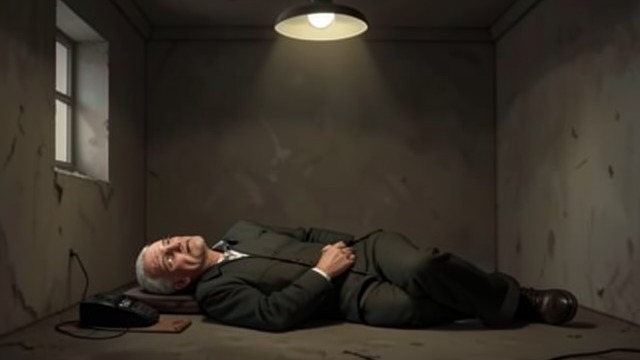
A False Transfer
A Deportation Threat
An officer tells the narrator that he is being sent to Hungary and has no recognized British protection. The narrator, injured and drugged, cannot tell whether the threat is real.
Disorientation Begins
He loses track of time and wakes in an unfamiliar cell. The transport and false assurances make it difficult to separate actual events from the story imposed on him.
The journey initiates a planned attack on his sense of identity, safety, and ordinary reality.
The Cell Routine
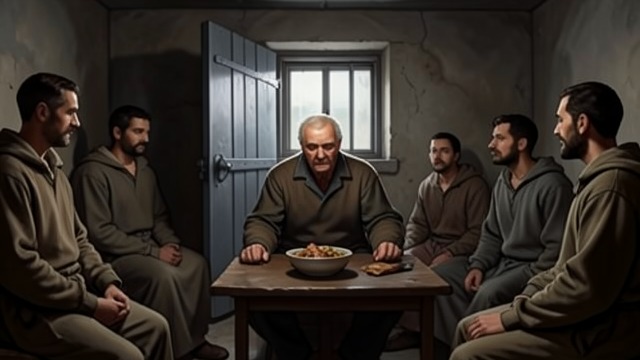
The Cell Routine
Rules Without Explanation
K.K. controls the prisoner with irregular food, enforced phrases, shifting conditions, and punishments for mistakes. The narrator learns that cooperation is the only reliable way to receive even basic necessities.
Time and Identity Erode
Days lose their ordinary boundaries, and the narrator marks them secretly on the door. Repetition and exhaustion make the imposed world increasingly difficult to resist.
The routine demonstrates how small, arbitrary controls can gradually overwhelm a prisoner’s ability to interpret events.
A Staged Embassy Visit
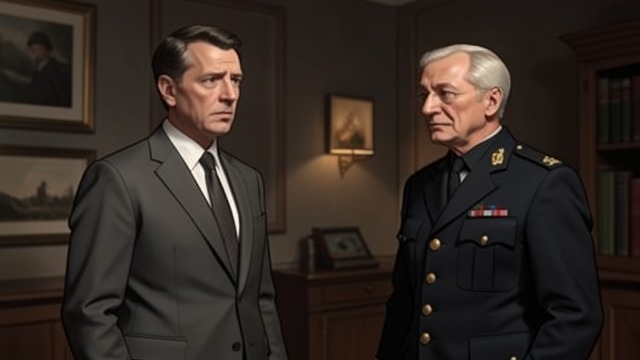
A Staged Embassy Visit
Manufactured Isolation
A visitor claiming to represent the British Embassy says that the narrator is not recognized as a British citizen. The visitor’s polite uncertainty is designed to make abandonment seem official.
Doubt and Survival
The narrator asks for everyday proof of identity and tests the visitor’s claim, but cannot secure a meaningful route out. Even the appeal to familiar institutions becomes part of the psychological pressure.
The encounter shows that the confinement attacks trust in institutions as well as the captive’s physical strength.
The Door Opens
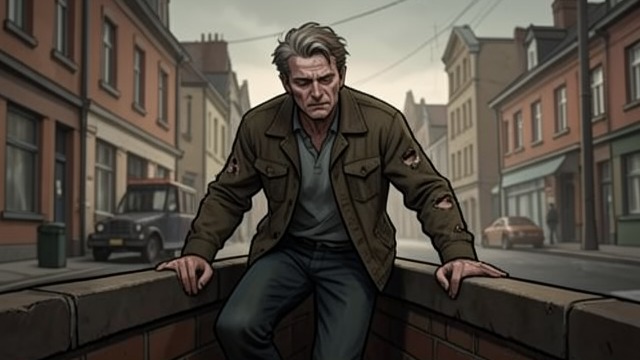
The Door Opens
A Risky Escape Attempt
The narrator waits for a vulnerable moment and strikes an elderly guard with a door, then takes his clothing and moves through the building. His escape depends on timing rather than strength.
The House Beyond
He triggers an electrical failure and climbs over a garden wall, only to realize that the surrounding neighborhood is ordinary London. His captors had kept him close to home while making distance seem immeasurable.
The escape breaks the imposed illusion, but leaves him weak, exposed, and unable to know who can be trusted.
A Friend Offers Shelter
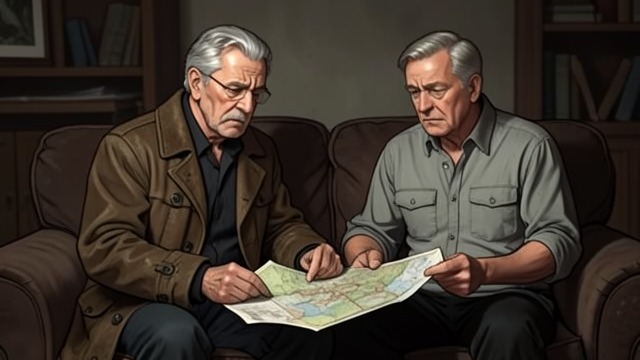
A Friend Offers Shelter
A Call to Charlie
The narrator reaches Charlie Cavendish, who takes him in, provides clothes, food, and rest, and helps him verify a suspicion about Carswell’s identity. Charlie refuses to demand the full story.
From Refuge to Flight
The narrator recovers enough to plan his next move, but the conspiracy reaches Charlie’s home and Charlie is later murdered. The temporary shelter becomes another source of danger and grief.
The episode demonstrates both the practical value and emotional cost of relying on personal loyalty in intelligence work.
After the Tokwe test, during the narrator’s drugged transport
Early in the Wood Green confinement
About three weeks into confinement
About thirty-five days into confinement, at night
The morning after the escape
