“Cocked hat”
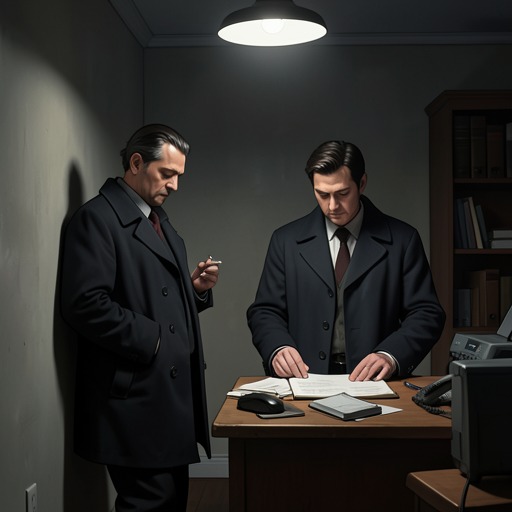
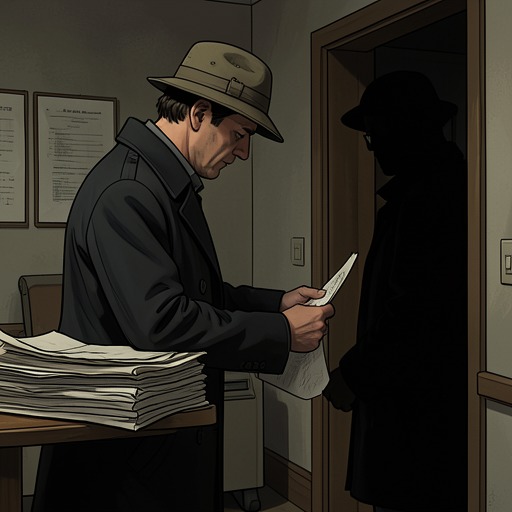
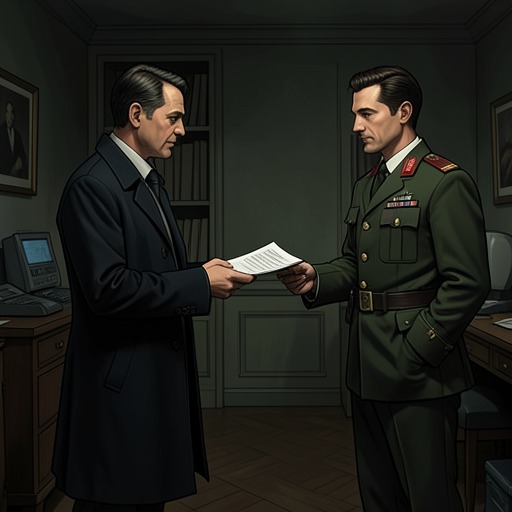
The IPCRESS FileThe “Cocked hat” names the uncertainty at the heart of the first-person storytelling described in the author’s account of The Ipcress File. Borrowed from navigation, the image turns conflicting recollections into a method: the narrative does not resolve every discrepancy into one definitive account, but leaves readers to encounter the story through imperfect, self-interested perspectives.
The Navigational Image
In navigation, the author explains, a cocked hat is the triangle formed when three lines of reference fail to intersect. The metaphor makes uncertainty structural rather than incidental. Instead of treating disagreement among accounts as a problem that can always be corrected, it presents the gap between them as the shape within which the story is understood.
Memory and Partial Truth
The author connects this image to first-person narration. The hero does not tell the exact truth, but neither do the other characters. Their distortions are not necessarily blatant, self-serving lies; memory instead tilts toward justification and self-regard. Each perspective can therefore offer a version that feels defensible while remaining incomplete, preventing any single account from settling the whole story.
The Reader’s Role
The author describes The Ipcress File, and the other first-person stories, as occupying the uncertainty of contradiction and as offering no more precision than the navigational image allows. That incompleteness invites different readers to react differently. The “Cocked hat” thus describes both the limits of the characters’ recollections and the form’s refusal to impose an entirely settled interpretation.