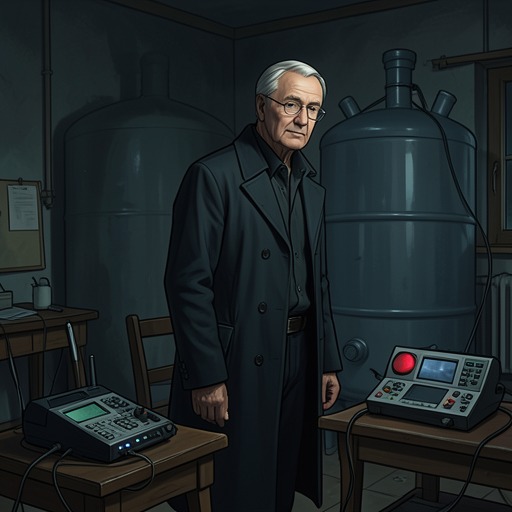
Abreaction
The IPCRESS FileAbreaction is the culminating breakdown in the brainwashing process described by the Unnamed narrator. It is not presented as an isolated episode of distress, but as an outcome deliberately prepared through physical debility, uncertainty, and mental pressure. The narrator calls it a point of no return: once one subject reaches this state, other members of the group may soon follow.
Definition and place in the process
The narrator explains that the process begins by weakening subjects and making them feel isolated and uncertain about what will satisfy their captors. It then seeks out their vulnerabilities, preferably prompting subjects to identify weaknesses in themselves through self-criticism. Intense mental work and indoctrination at meetings exploit what has been learned, bringing the subject to abreaction. In this account, the breakdown is not an accidental side effect but the intended culmination of a sequence.
Signs and group effects
The narrator describes abreaction as a complete nervous collapse, marked by loss of control and prolonged sobbing. He compares its historical names to shell shock in the First World War and battle fatigue in the Second World War. He also emphasizes its contagious effect within a group: when one person collapses, the others may topple in succession. The method therefore targets both the individual’s capacity to withstand pressure and the group’s ability to remain stable together.
Methods of inducing it
The account distinguishes methods of applying brainwashing rather than wholly separate underlying processes. In the haunted-house system, mental isolation was reinforced with false visitors and deliberately altered lighting and temperature. Another application used small private nursing homes, where fever and physical debility could make subjects more susceptible; the narrator notes that mosquitoes could be used to produce fever. He also describes a drug-based route, which he calls pharmacological shock: large insulin doses lower blood sugar and can produce convulsions, followed by coma, after which intravenous sugar is given. The narrator presents this as a way to create the breakdown by drugs alone.
The narrator’s experience and the concept’s significance
The Unnamed narrator’s own account of captivity includes isolation, weakness, hunger, disrupted sleep, and instructions governing even when he could sleep. These details show the kinds of pressure he later identifies as preparatory to brainwashing, but he does not say that he reached abreaction during that confinement. He explains that the older haunted-house method was used on him because the specialist was occupied elsewhere and because he was considered difficult. By distinguishing the conditions that weaken a prisoner from the final collapse they are designed to produce, the account presents abreaction as the deliberate endpoint of a system, not simply a synonym for suffering.