Colia Ivolgin
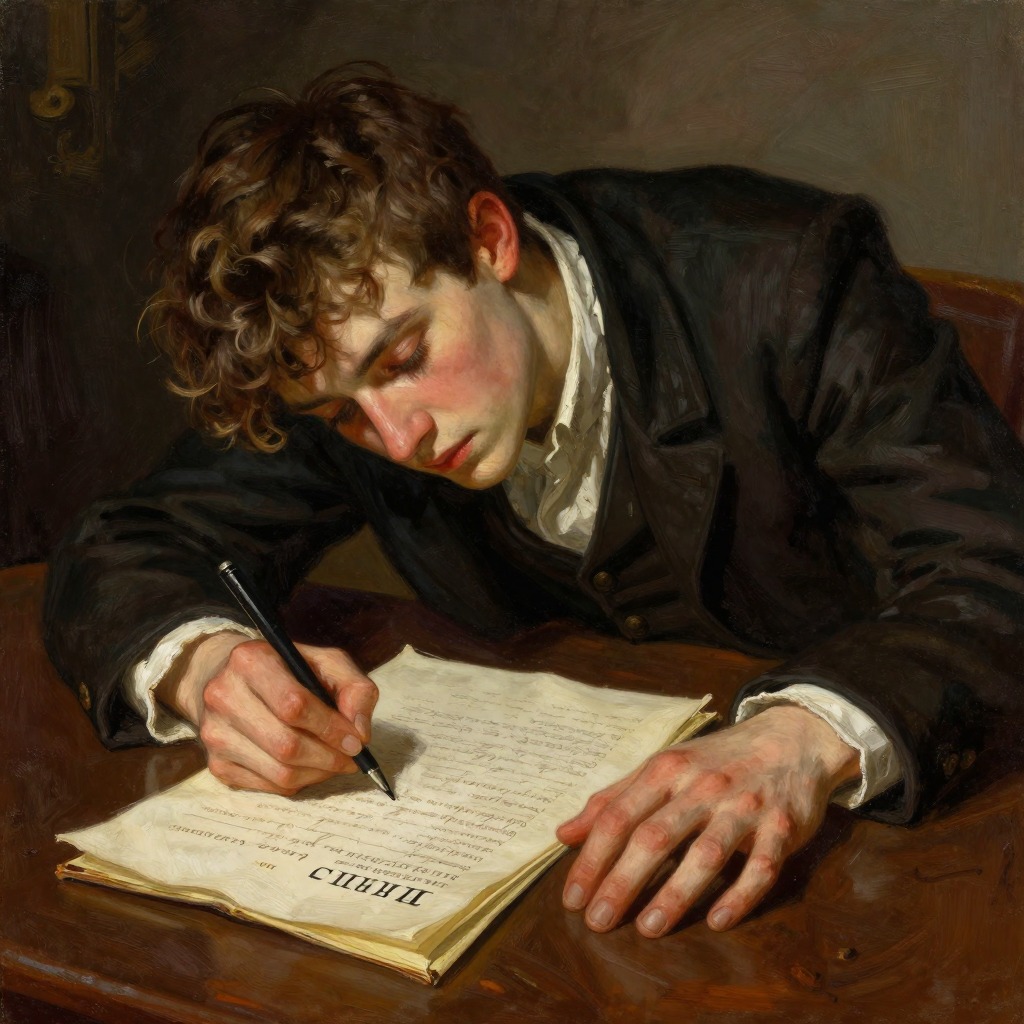
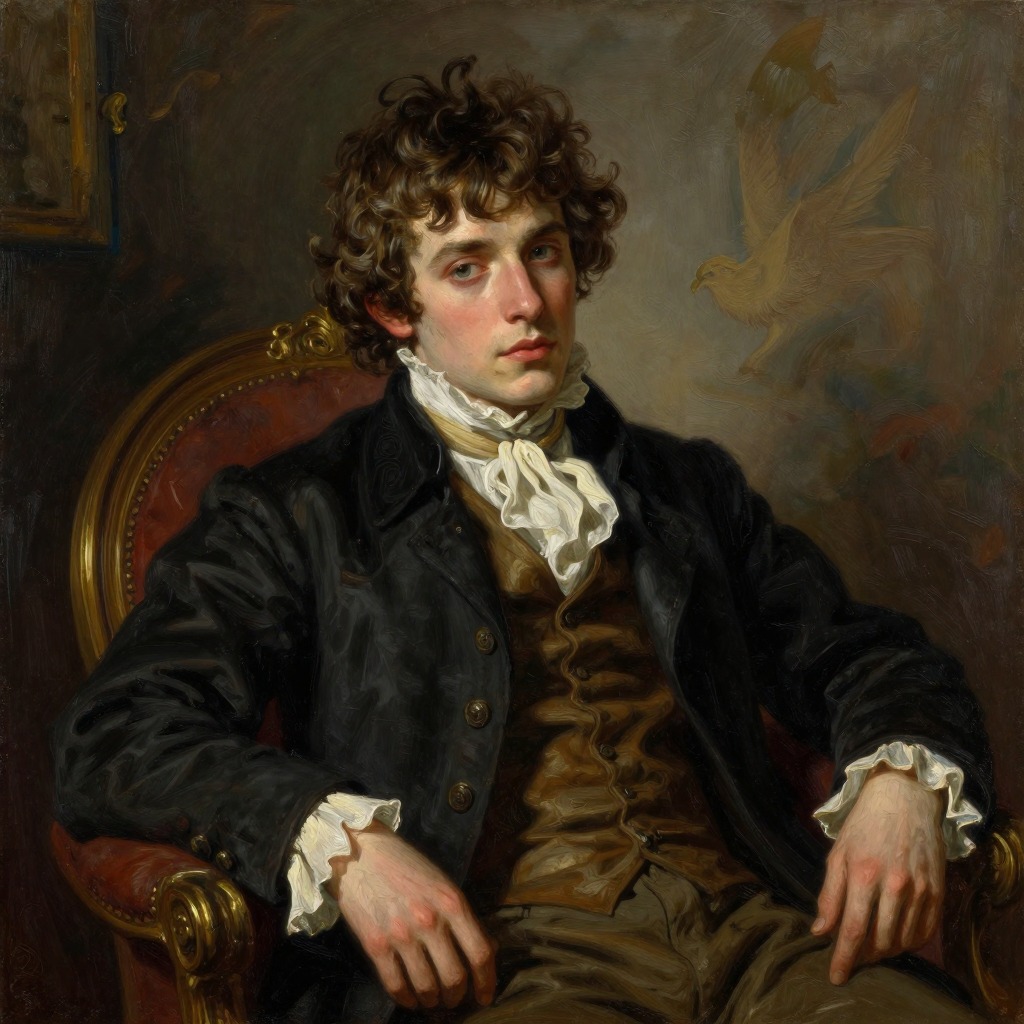
The IdiotColia Ivolgin, the thirteen-year-old younger brother of Gavrila Ardalionovitch, is a schoolboy who becomes Prince Muishkin's most loyal and perceptive companion. From his first appearance, he is distinguished by his simple, confiding expression and very polite, engaging manners, and he quickly attaches himself to the prince with a devotion that endures through every catastrophe. Colia serves as a moral touchstone in the novel, a character whose youthful idealism and fierce sense of justice allow him to see through the pretensions of the adult world while remaining capable of genuine compassion. He is also a crucial narrative bridge, moving freely between the households of the Epanchins, the Ivolgins, Lebedeff, and the dying Hippolyte, and carrying messages, news, and letters that drive the plot forward.
Identity and Background
Colia is the youngest son of General Ardalion Alexandrovitch Ivolgin and Nina Alexandrovna, and the brother of Gania and Varvara. He shares a cramped room with his father, sleeping on a narrow, uncomfortable sofa with a torn rug, and his chief duty is to look after the general, who needs to be watched more and more every day. Despite the family's poverty and his father's disgrace, Colia is a schoolboy with a clever face and a straightforward, confiding nature. He is acutely aware of his father's decline, but he pities him rather than condemning him, a stance that sets him apart from his embittered brother Gania.
Role as the Prince's Ally and Confidant
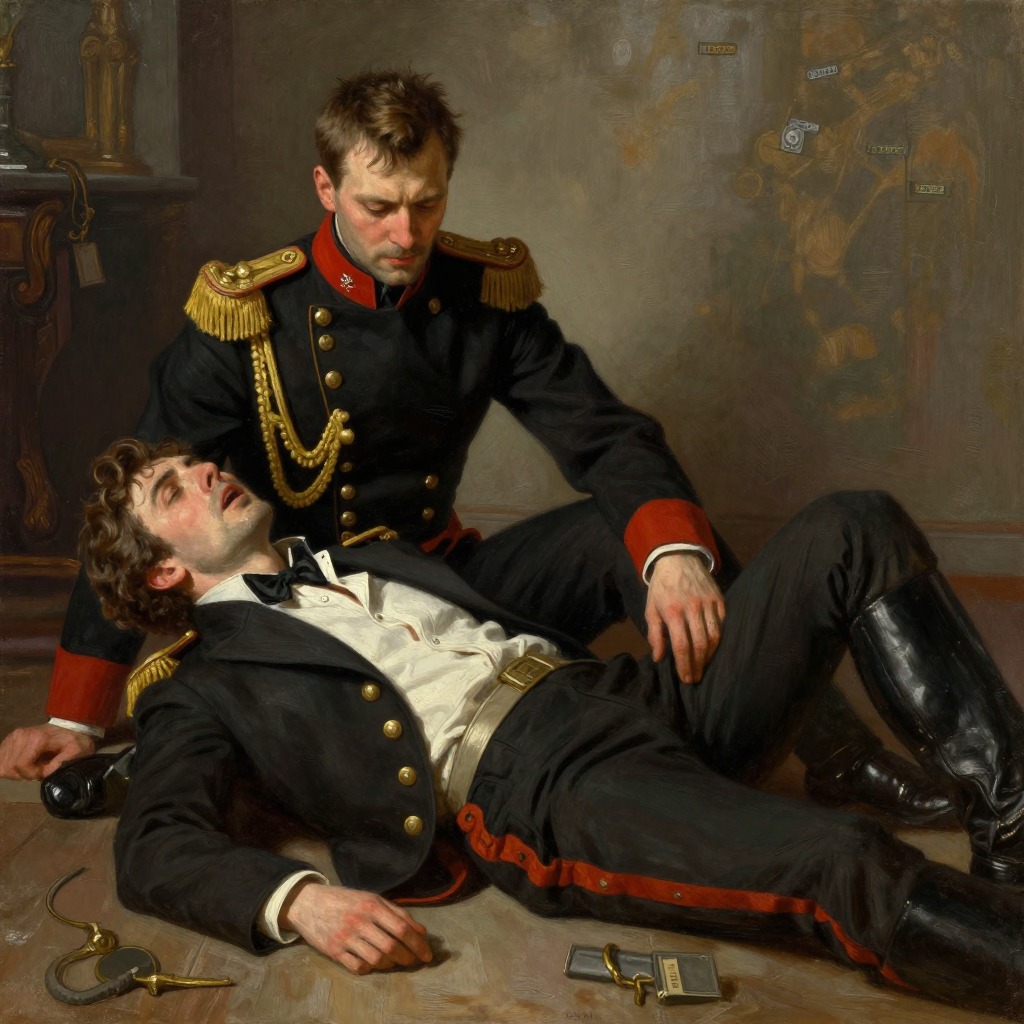
From the moment the prince arrives at the Ivolgin house, Colia becomes his guide and protector. He shows the prince to his room, fetches his bundle, and warns him about the household's tensions. After Gania slaps the prince, Colia rushes to comfort him, declaring that he hates the idea that a man is dishonored for life unless he wipes out the disgrace with blood. He later tells the prince, "I like you very much indeed. I shall never forget about this afternoon." Colia is the one who brings the hedgehog from Aglaya to the prince, a gift that signals forgiveness and reconciliation, and he is the first to declare, "Simply—my dear prince,—simply she is in love with you,—that's the whole of the secret!" When the prince is found unconscious after his epileptic fit at the hotel, it is Colia who recognizes him, hires a carriage, and takes him to Lebedeff's, effectively saving him from neglect.
Relationships and Conflict
Colia's most complex relationship is with his brother Gania. He is initially treated by Gania with contempt, as an errand-boy, but after Gania returns the hundred thousand roubles offered by Nastasia Philipovna, Colia feels he can forgive him much. He later tells the prince that Gania "isn't half a bad fellow, in spite of his faults." Colia is also the devoted friend of the dying Hippolyte, spending hours at his bedside and defending him against the mockery of others. He is a frequent visitor at the Epanchin house, where he is initially received coldly by Lizabetha Prokofievna but eventually wins her over because he is "candid and no flatterer." He quarrels with her seriously over the "woman question" but returns when she begs him to, showing his lack of petty pride.
Change and Ending
Colia undergoes a profound maturation over the course of the novel. The revelation of his father's theft and the subsequent stroke that kills the general strike him like a thunderbolt. He tells the prince, "I have felt much that is quite new to me since yesterday! It is a lesson for me. I shall now consider my mother as entirely my responsibility." He breaks with Gania and Varia, declaring that "from this moment our feet shall not travel the same road." After the final catastrophe, Colia draws nearer to his mother in heart and sympathy, and he is the one who selects Evgenie Pavlovitch as a friend and confidant to care for the prince's fate. He makes over all that he knows to Evgenie, ensuring that the prince is returned to Dr. Schneider's care in Switzerland.
Narrative Role and Thematic Significance
Colia functions as a character of unspoiled moral clarity in a world of compromised adults. His youthful idealism—his dream of living with the prince and Hippolyte in a little apartment of their own, his belief in the "gigantic thought" in Hippolyte's confession—provides a counterpoint to the cynicism of Gania and the worldly calculations of the Epanchins. He is the one who most consistently recognizes the prince's true worth, and his loyalty never wavers. In the end, it is Colia who takes the practical steps to ensure the prince's future, proving that the novel's most reliable agent of compassion and action is a thirteen-year-old schoolboy.