Prince's letter to Aglaya
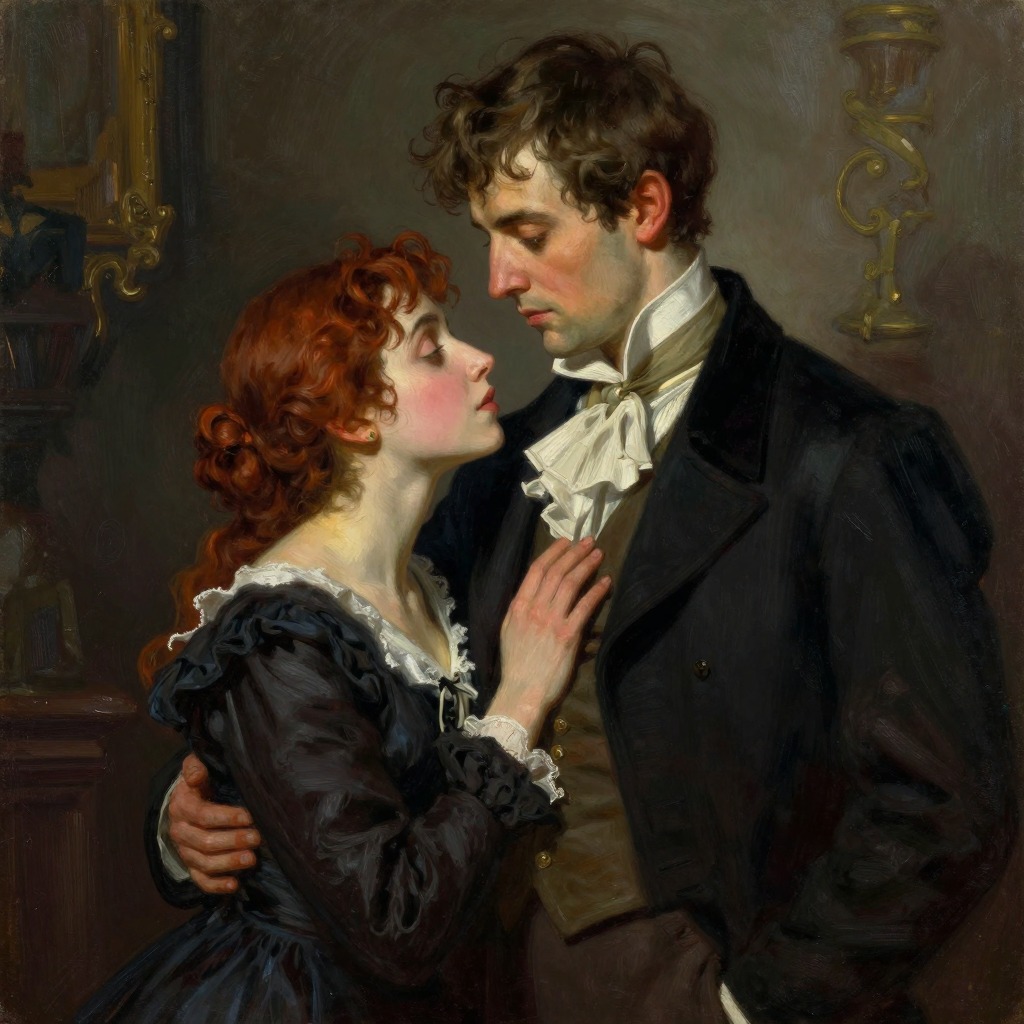
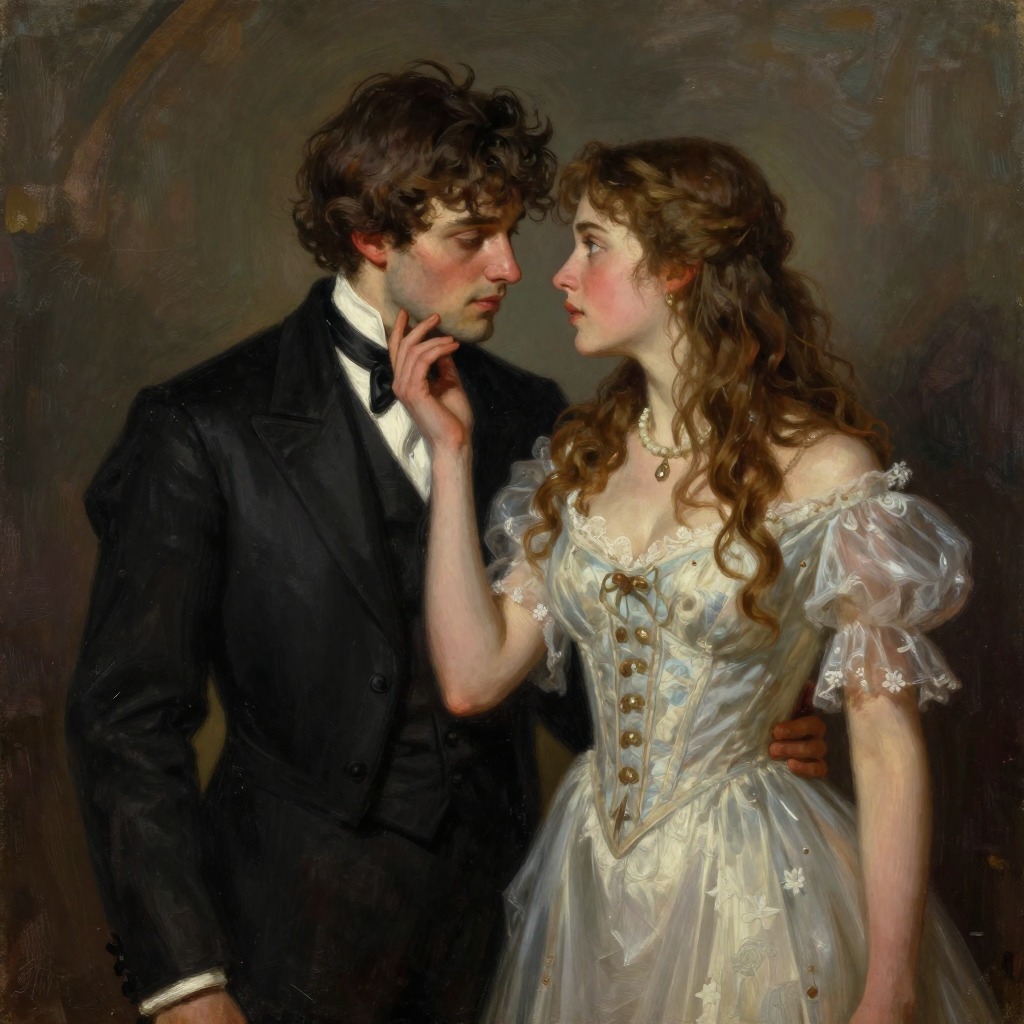
The IdiotPrince Lef Nicolaievitch Muishkin's letter to Aglaya Ivanovna Epanchin, written around Easter and delivered through Colia Ivolgin, is a brief, sincere, and emotionally charged document that serves as the first direct communication between the prince and Aglaya after his return to Russia. The letter expresses the prince's need for her, his longing for her happiness, and his sense of her as a constant presence in his mind, establishing a foundation of trust and vulnerability that shapes their subsequent relationship.
Composition and Delivery
The prince wrote the letter around Easter, several months after his first, brief visit to the Epanchin household. He entrusted it to Colia Ivolgin, the young schoolboy who had become his devoted friend and frequent companion. Colia delivered the letter to Aglaya privately, taking advantage of a momentary tete-a-tete, and left without waiting for a reply. The letter was sealed inside a brief note from the prince to Colia, which read: "Dear Colia, Please be so kind as to give the enclosed sealed letter to Aglaya Ivanovna. Keep well—Ever your loving, Pr. L. Muishkin." Aglaya, upon receiving it, blushed and became very thoughtful, eventually hiding it in a large book—Don Quixote—where she kept papers she wanted to find easily.
Content and Tone
The letter itself is short and disconnected, reflecting the prince's emotional state at the time of writing. He begins by acknowledging that Aglaya once gave him her confidence, and wonders if she has now forgotten him. He confesses that he does not know why he is writing, but feels an irresistible desire to remind her of his existence, especially her. He speaks of needing all three Epanchin sisters, but says that only Aglaya has dwelt always in his mind's eye. The letter culminates in a direct expression of his need for her and his longing for her happiness: "I need you—I need you very much. I will not write about myself. I have nothing to tell you. But I long for you to be happy. ARE you happy? That is all I wished to say to you—Your brother, PR. L. MUISHKIN." The tone is one of profound sincerity, vulnerability, and a kind of brotherly affection, yet it carries an undercurrent of deep personal attachment.
Aglaya's Response and Significance
Aglaya's reaction to the letter was complex and guarded. She blushed, became thoughtful, and smiled ironically as she hid it. She did not show it to anyone, and when she later asked Colia about the prince's correspondence, she did so with an exaggerated show of carelessness. The letter's placement in Don Quixote is itself significant, as the novel's hero—the "poor knight"—becomes a recurring motif in Aglaya's and the prince's relationship, later invoked by Aglaya in a public recitation of Pushkin's poem. The letter thus initiates a private, unspoken understanding between them, a thread of connection that persists through the months of the prince's absence and eventual return. It is the first step in a relationship that will be marked by both profound intimacy and painful misunderstanding.
Thematic Resonance
The letter embodies the prince's characteristic blend of childlike simplicity and profound emotional insight. He writes not to declare love or to make demands, but to express a need for connection and a concern for Aglaya's happiness. This selfless, almost devotional quality aligns with the "poor knight" ideal that Aglaya herself will later articulate. The letter also foreshadows the central conflict of the novel: the prince's divided heart, his love for Aglaya and his pity for Nastasia Philipovna, and the impossibility of reconciling these two powerful, competing claims on his soul.