
When Perception and Imagination Compete
The ImaginaryThis flow traces the conflict between perception’s open-ended encounter with objects and imagination’s knowledge-guided presentation of absent objects.
increasing Bearing strength in each event
 decreasing
Bearing strength in each eventdecreasingThe Perceived Cube
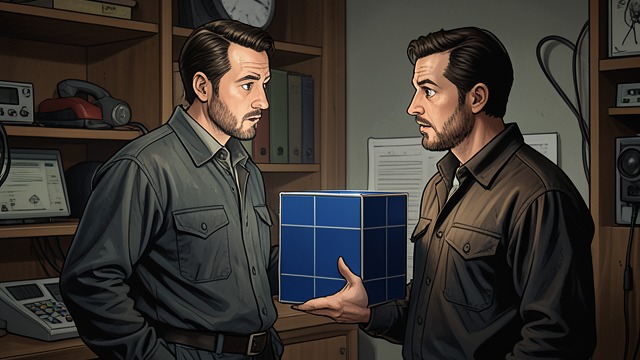
Learning Through Profiles
An object with more to show
Sartre’s cube example establishes perception as an unfolding encounter. Only some faces appear at a time, and movement or continued observation may reveal features not yet known.
The perceived object exceeds the observer’s present view and sustains relations beyond what is immediately visible.
A different kind of certainty
Perception can be corrected by further experience. Its openness gives it richness but also leaves particular judgements provisional.
The Imagined Cube

Knowing Before Seeing
Knowledge leads
A cube imagined as a cube is already intended through knowledge of what a cube is. The image may present a profile, but it cannot reveal an unexpected face or teach the observer its defining structure.
Sartre calls this a quasi-observation: the stance resembles looking, yet the image delivers only what consciousness has put into it.
A different poverty
Where perception overflows, the image remains limited to the determinations intended. The contrast is qualitative, not a simple difference in vividness.
The Two Attitudes Separate
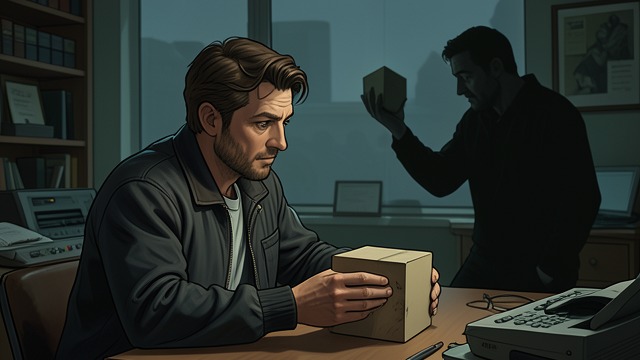
A Conflict of Orientation
No blended perception
Sartre rejects the idea that images fill gaps inside perception. Perception and imagination are distinct attitudes that cannot function as two interchangeable ingredients in a single experience.
When the imagining act takes over, the perceived object can recede rather than being supplemented by an inner picture.
A revised explanation
Perception can include unspoken expectations about unseen aspects, but these are not images. To imagine a hidden feature explicitly is to leave the perceptual attitude and form a new act.
Early in Part I, Chapter 1, Section III
Immediately after the perceived cube comparison
During Part III’s account of perception and image
