
The Irreal and the Real
The ImaginaryThis flow traces Sartre’s argument that imaginary objects have no causal power, while imagined conduct can still shape real feeling and action.
increasing Bearing strength in each event
 decreasing
Bearing strength in each eventdecreasingAn Object Beyond Reach
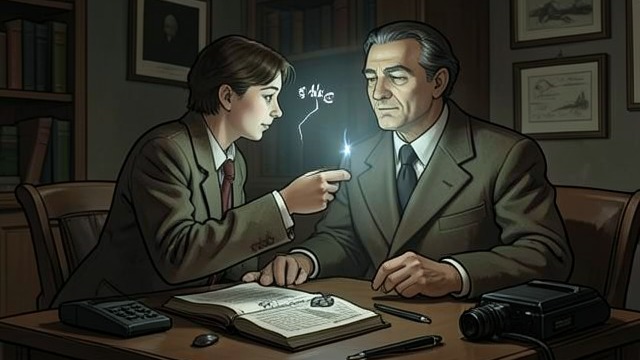
The Irreal Cannot Be Touched
A different mode of existence
An imagined object appears as present but remains out of reach. It has a mode of appearance distinct from perceived things and cannot be acted upon with ordinary physical movements.
To change it, consciousness must produce another imaginative act rather than handle it as a real object.
Isolation from the world
Because it has no practical surroundings or consequences of its own, the irreal object is not a member of a shared world. Its apparent existence depends on the imaginative attitude.
Real Reactions, Irreal Causes

The Body’s Involvement
Reactions appear bodily
Imagined scenes can coincide with real bodily changes or emotional responses. Sartre argues that these do not prove that the irreal object caused them as a perceived object might.
Some bodily and affective processes help constitute the image; others develop as later reactions within the person’s real life.
An essential distinction
The object remains causally inactive even when the imagining person is genuinely moved. The real source lies in the subject’s activity and situation, not in an independent power of the imagined object.
Action Meets Its Consequences
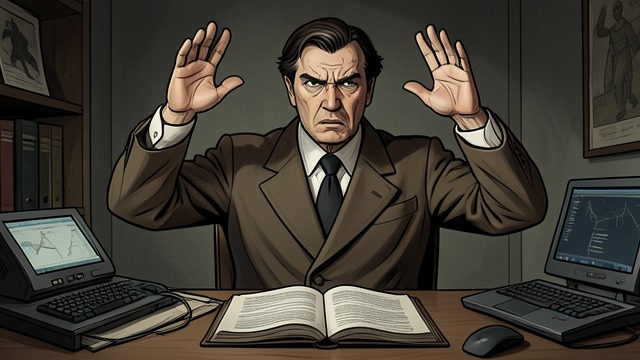
The Planned Act Changes
Preparation in imagination
A person can rehearse confrontation or violence in imagination, where actions seem controllable and consequences can be adjusted. The imagined scene offers none of the resistance of actual circumstances.
When the real person or situation appears, the plan must meet unpredictable facts and genuine consequences.
A break between worlds
Sartre uses this gap to explain why imagined conduct does not guarantee real conduct. Contact with reality changes the situation rather than simply completing an already prepared scene.
Opening of Part IV, Chapter 1
Early in Part IV, Chapter 2
Later in Part IV, Chapter 2
