
The Artist and the Work’s Irreality
The ImaginaryThis flow traces Sartre’s claim that art presents an irreal aesthetic object through a real material work without converting the imagined into ordinary reality.
increasing Bearing strength in each event
 decreasing
Bearing strength in each eventdecreasingThe Material Work
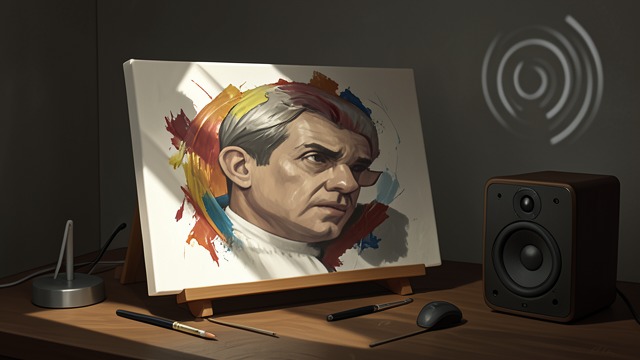
Canvas, Marks, and Sound
The real object
A painting consists materially of canvas, pigment, and brushwork; a performance likewise involves real sounds and bodies. These physical objects belong to the shared world and can be affected by light, damage, or interruption.
They are not, by themselves, the aesthetic objects that viewers praise or criticize.
A necessary distinction
Sartre separates the material support from what appears through it. This distinction prevents artistic experience from being described as a simple conversion of imagination into physical reality.
The Aesthetic Object Appears
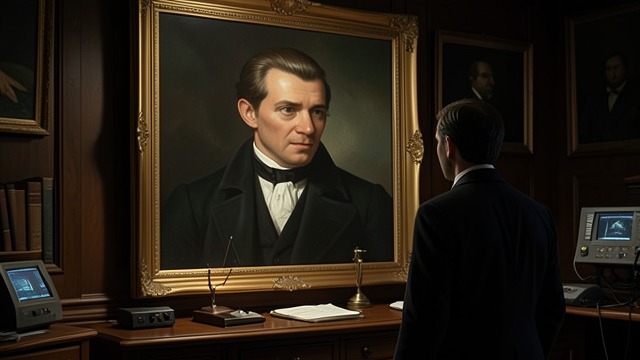
An Irreal Presence in Art
A change of attitude
The depicted Charles VIII appears when a viewer takes an imaging attitude toward the portrait. The historical person is not physically present in the canvas, and the paint itself is not the object of the viewer’s aesthetic judgement.
The portrait provides a material medium through which the depicted figure can be apprehended as irreal.
Beauty and distance
The aesthetic object can move the viewer without becoming a real object available for possession or practical action. Its irreality is central to the mode of appreciation Sartre describes.
Art Does Not Realize Imagination
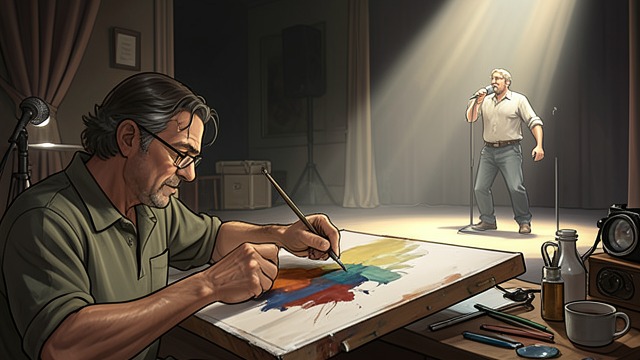
The Work as Analogon
No passage into ordinary reality
The artist does not simply transfer a private mental image onto a canvas and make that imagined object real. Real marks provide a medium through which an aesthetic object continues to be apprehended imaginatively.
The same logic applies to performance and fiction: real bodies and words can present objects that do not exist as ordinary things.
Aesthetic consequence
The work’s beauty belongs to its irreal object, not to bare sensory pleasure considered alone. Art reveals how real materials can support an imaginative presence without ending its irreality.
Opening of the Conclusion’s section on art
During the discussion of the portrait of Charles VIII
Closing pages of the work
