
Franconay’s Chevalier
The ImaginaryThis flow tracks how Franconay’s imperfect stage imitation turns signs, bodily movement, and audience knowledge into an imaginative appearance of Maurice Chevalier.
increasing Bearing strength in each event
 decreasing
Bearing strength in each eventdecreasingThe Imitator Appears
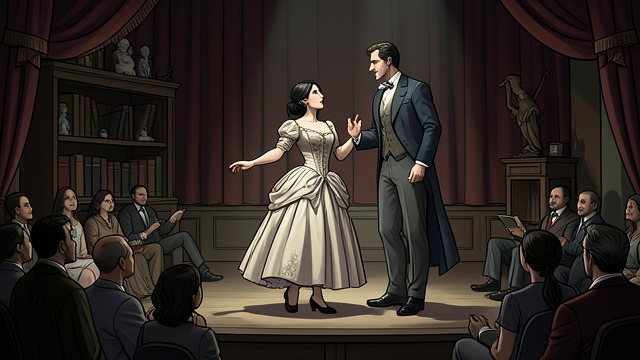
A Body That Is Not the Model
The initial mismatch
Franconay appears on stage as a small, dark-haired woman imitating Maurice Chevalier, whose recognizable appearance differs sharply from hers. The audience cannot explain the success of the performance by resemblance alone.
Her body supplies resistant, imperfect material. It can support an image of the performer or remain simply the body of the imitator.
An interpretive task
The audience must identify the intended person through signs and prior knowledge. The example makes spectators’ activity central to how the imitation works.
The Hat as a Sign
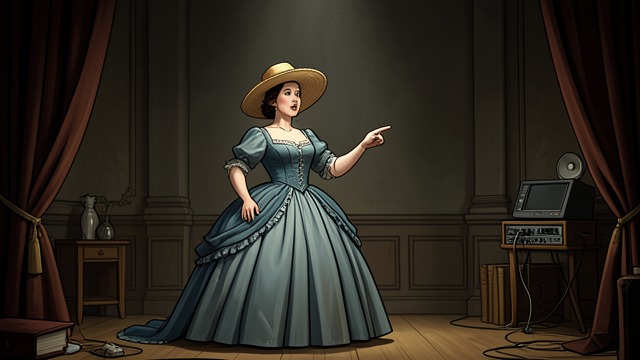
Recognition Through Convention
A clue becomes intelligible
A tilted straw hat and a familiar gesture direct the audience toward Maurice Chevalier. These features first function as signs: they help identify whom Franconay is imitating.
Recognition relies on knowledge accumulated outside the moment, not on the body’s physical likeness to the model.
From sign to image
Once the performer is identified, the audience can imaginatively apprehend Chevalier through her gestures and appearance. The same matter changes function as the audience’s intention changes.
The Model Possesses the Body
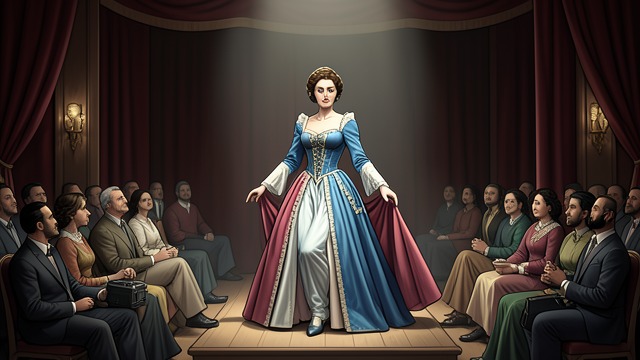
An Ambiguous Stage Presence
A hybrid appearance
The imitation never entirely erases Franconay. The audience can shift between seeing the performer and seeing Maurice Chevalier as imaged through her.
That unstable overlap is part of the performance’s appeal: the model seems to take possession of a body that is visibly not his own.
The audience completes the act
Signs establish identity, but feeling and knowledge animate the result. Sartre uses this theatrical episode to show that imaginative presentation depends on more than visual resemblance.
Early in Part I, Chapter 2, Section III
As the performance takes shape
At the peak of the imitation
