
Nature Without Morality
The InvincibleThis flow traces the shift from interpreting the Cloud as evil to understanding it as a nonmoral process of persistence.
increasing Bearing strength in each event
 decreasing
Bearing strength in each eventdecreasingThe Enemy Story
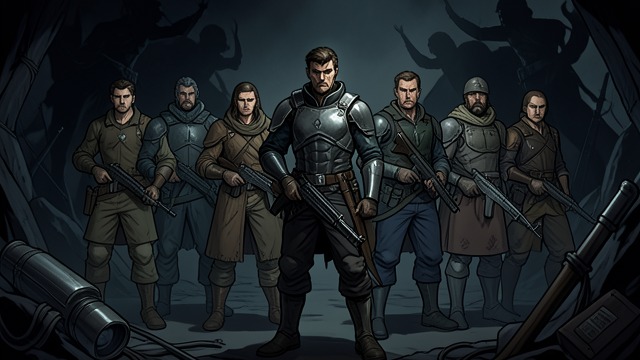
The Enemy Story
Moral Vocabulary
The crew speaks of attacks, hostile forces, and revenge because these terms fit human conflict. The Condor’s destruction appears to demand an intentional culprit.
Emotional Utility
The language of hostility organizes fear and gives grief a target. It also encourages the crew to believe that victory will restore moral balance.
The enemy story is psychologically useful even when scientifically weak.
No Conscious Opponent
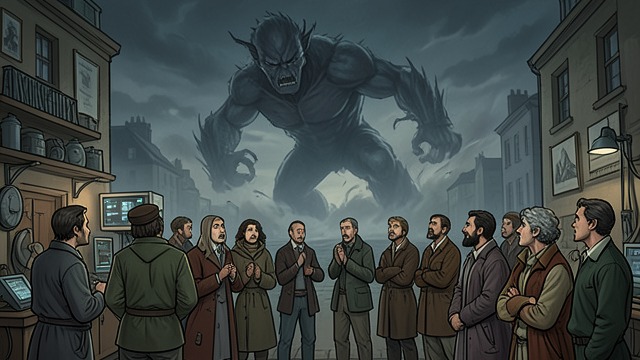
No Conscious Opponent
Instinctive Adaptation
Lauda argues that the Cloud may attack according to inherited responses rather than reasoning. Its behavior can be effective without being planned.
Moral Displacement
If the Cloud has no hostile intention, the crew cannot treat its actions as crimes. Yet the absence of malice does not make the attacks less lethal.
The conflict becomes tragic precisely because neither side possesses a shared moral language.
The Earthquake Analogy
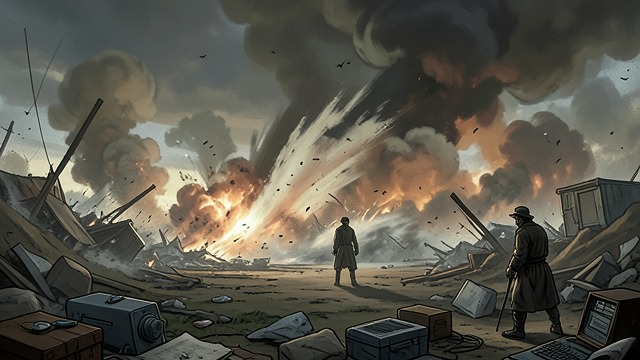
The Earthquake Analogy
Rethinking Revenge
Rohan compares the Cloud to an earthquake or storm that kills without intention. He asks whether humanity has the right to destroy a planetary equilibrium simply because it caused human deaths.
Ethical Consequence
The analogy does not erase grief or danger, but it changes the appropriate response from punishment to withdrawal and restraint.
Human morality expands when it stops requiring nature to justify itself.
after the Condor discovery
during Lauda’s argument
during Rohan’s night reflection
