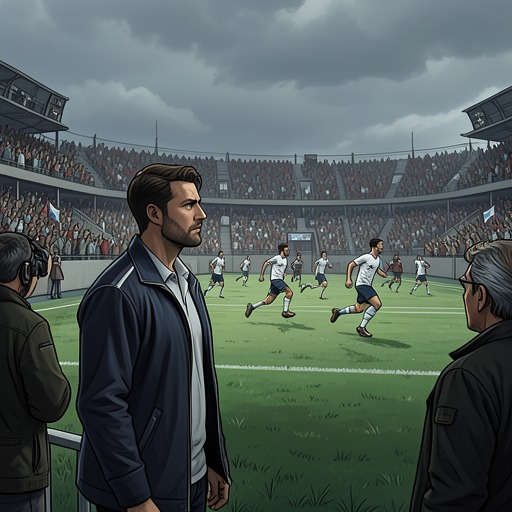
The Texas drought and extreme heat conditions
The Journey CollectionThe Texas drought and extreme heat conditions alter the rhythms of community life and high-school football, turning environmental hardship into a practical test of what the sport is meant to protect. Their effects reach from the cancellation of a familiar Homecoming ritual to statewide restrictions on practice, where player safety takes precedence over the old routines of preparation.
Conditions and Local Effects
The drought has struck the Texas Panhandle hard. In Clarendon, it was severe enough to cancel the annual bonfire associated with the town’s Homecoming rivalry against Gruver. The bonfire had been part of an established local tradition: during Travis McCoy’s senior year, students made a papier-mâché likeness of a Gruver player and burned it in effigy. Its cancellation marks a concrete loss in the public festivities, even as the pep rally and the rivalry itself continue. The community can sustain its football loyalties, but not every customary expression of them is safe under the changed conditions.
The drought appears alongside persistent, intense heat rather than as an isolated backdrop. The book connects these conditions to the limits placed on football programs across Texas, making the weather consequential not only for a single event but for the organization of the season. The environment enters ordinary community life through decisions about what can be staged and when young athletes can train.
Changes to Football Practice
When Travis McCoy begins work with the high-school team, practices are restricted to mornings, before the day’s heat sets in. That schedule contrasts with the two-a-day routine he remembers from his own playing years: players began early, trained for several hours, took a three-hour break, and returned for another session in the late afternoon. He recalls loving the demanding schedule, but it is no longer treated as an acceptable model under present conditions.
The change follows a recent string of young players passing out or dying from heat exhaustion. In response, the state regulation committee reconsiders what is in the students’ best interests, and football programs across the state must limit their practice hours. The restrictions therefore arise from recognized physical danger, not merely inconvenience: the old intensity has carried risks that the governing rules can no longer ignore.
Safety and the Meaning of the Game
Travis accepts the limits and treats them as a matter of responsibility. He understands why practice must be confined to cooler hours and insists that football is only a game; teaching players to enjoy it and love playing should remain central. He will not endanger his players simply to improve the chance of winning. The conditions thus sharpen a conflict between competitive ambition and care for the athletes, resolving it in favor of their well-being.
The drought and heat do not erase football from Clarendon’s communal life: the Homecoming rally still gathers supporters, and the rivalry remains. Instead, they expose the boundaries within which the sport can responsibly continue. A canceled bonfire and a shortened practice schedule are different consequences of the same environmental pressure, linking local tradition to institutional regulation and making protection of young people part of what it means to coach.