Travis and Penelope reveal the past
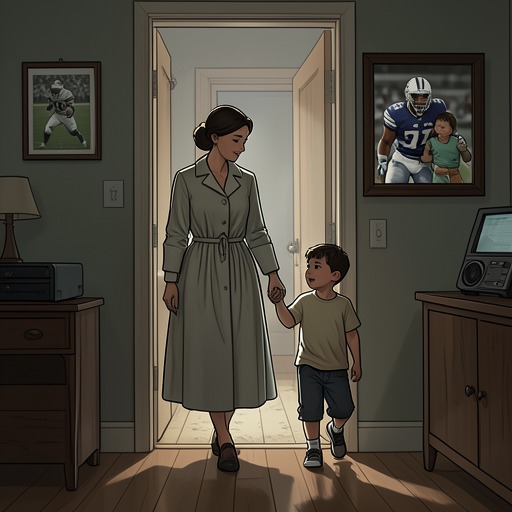
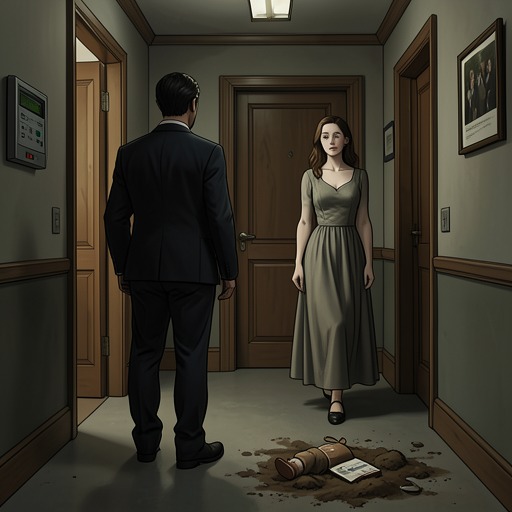
The Journey CollectionTravis and Penelope reveal the past in the cemetery, where the concealed history behind Max’s birth becomes speakable at last. The conversation does not erase either character’s responsibility: Penelope withheld the pregnancy and Max’s existence, while Travis had already chosen his professional football dream over Clarendon, Penelope Stone, and the possibility of a family. By exposing what each believed the other had chosen, the scene changes their conflict from a simple accusation into a painful account of love distorted by silence.
The Burden That Brings Them Together
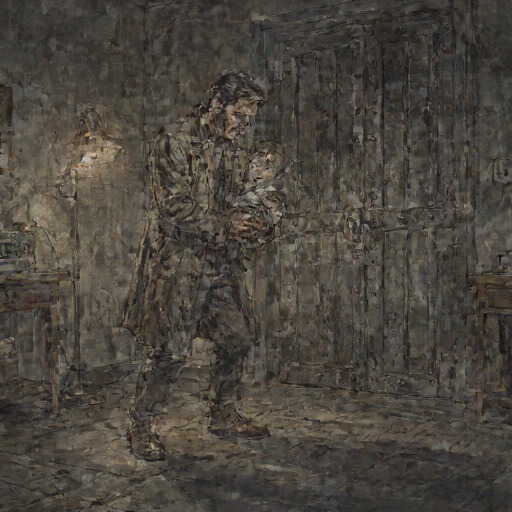
Travis reaches the cemetery shortly after leaving Max, unsettled by how difficult it is to walk away from a boy he barely knows but may have fathered. Kneeling at his mother’s gravesite, he admits that his career may be over and that Penelope Stone and he may have a child together. The graveside becomes the place where private confusion is converted into testimony: Travis cannot obtain an answer from his mother, but he can finally state the questions that have governed his return to Clarendon.
Penelope arrives because she knows this is where Travis went when he was confused. Her appearance turns solitary mourning into a confrontation between the two people who share the missing decade. She immediately acknowledges his anger and says that she never meant to hurt him, but Travis redirects the issue toward Max. The emotional stakes therefore move beyond lost romance. The subject is the life of a child, the obligations of parenthood, and the consequences of decisions made before either person understood the full cost.
Penelope’s Account of the Pregnancy
Penelope explains that she did not know she was pregnant when Travis left Clarendon. Two months later, when she discovered the pregnancy, her father was furious and her mother threatened Travis. The hostile reaction of the Stone household intensified her fear, but it did not by itself determine her silence. She says that she repeatedly considered calling Travis and eventually drove to Austin to tell him in person.
That attempted disclosure failed because Penelope saw Travis leaving his dorm with teammates, laughing and appearing completely absorbed in the life he had built. She interpreted his happiness as proof that he would never return—not for her, not for his father, and not for their child. Rather than interrupt what she believed was Travis’s chosen future, she left without telling him. Her explanation recasts the secret as a misguided act of self-denial: she believed that revealing Max would rob Travis of the dream for which he had worked every day.
Travis’s Responsibility and the Misunderstanding
Travis objects that Penelope denied him the right to choose. His protest exposes the central contradiction of the scene. Penelope believed she was protecting his freedom, while Travis experiences that protection as the removal of his agency. The hidden truth was therefore sustained by two incompatible readings of the same past: she saw a man who had decisively left, and he had assumed that the people in Clarendon understood why he needed to escape.
Travis’s private thoughts confirm that he has long preferred to let Russ McCoy regard him as selfish rather than disclose the truth behind his departure. He has spent years repeating the same argument with his father and avoiding the more vulnerable explanation. His silence parallels Penelope’s: both characters withhold painful information while imagining that concealment is kinder or safer than direct speech.
Russ’s confrontation elsewhere sharpens this moral tension. When he asks whether Travis would have returned if Penelope had told him about the pregnancy, Travis answers yes, then recognizes that he is not certain. His career had always come first, and even he cannot confidently reconstruct the choice he would have made. Penelope voices the same judgment when she tells him that football had been his first priority and that she had often come second. The past is thus not reduced to one villainous decision. Travis abandoned the relationship and never looked back; Penelope denied him the information needed to reconsider that departure.
Love Surviving the Decade
The revelation becomes more than an exchange of accusations when Travis asks whether Penelope still loves him and whether another man has taken his place. Penelope answers that she never stopped loving him, but immediately adds that it is too late. Her admission confirms that the separation was not caused by the disappearance of feeling. Love remained present beneath the silence, yet the silence allowed both characters to organize their lives around an assumption that reunion was impossible.
The cemetery scene consequently functions as both recognition and rupture. Penelope’s explanation gives Travis the missing circumstances of the past, but it does not instantly repair the damage. She escapes to her car, leaving him on his knees for a second time. The physical movement repeats his earlier collapse at the gravesite: knowledge has arrived, but knowledge itself is painful before it can become healing.
From Revelation to Family
The later course of their relationship shows the consequence of finally telling the truth. Five months after Travis finds Penelope and learns that Max is his son, he understands that the professional football career he once treated as the center of his identity is no longer his only future. He prepares to propose to Penelope with a small black velvet box, first seeking Max’s approval because Max has been the central person in Penelope’s life for ten years and Travis will not disregard his son’s feelings.
Travis proposes by recalling that he has loved Penelope since adolescence and asking her to marry him. Her answer is yes, turning the earlier scene’s declaration of surviving love into an accepted commitment. Before the marriage, Travis also asks to change Max’s last name to McCoy, explaining that if Penelope is going to become a McCoy, Max should be one as well because that is how they can become a real family. The request gives legal and social form to the fatherhood that the cemetery conversation first makes emotionally unavoidable.
At the wedding, Travis, Penelope, and Max light the eternity candle together. Max stands between his parents as they create a family publicly and ceremonially, reversing the decade in which his identity and his father’s place were separated by silence. The later family celebration of Penelope’s pregnancy, when Russ lifts an ultrasound photograph from a silver frame and realizes that the family is expecting another child, extends that repaired family structure into a future no longer defined by absence.
Narrative Significance
The revelation is the story’s decisive movement from withheld knowledge to accountable relationship. It joins several forms of return: Travis comes back to Clarendon, returns to the memory of Penelope, confronts the fatherhood he missed, and eventually chooses family over the singular ambition that once governed him. Penelope’s account prevents that return from becoming a simple homecoming triumph, because it preserves the cost of Travis’s original departure and the damage caused by her own silence.
The scene also establishes that reconciliation requires more than renewed affection. Travis must acknowledge that football repeatedly came before Penelope; Penelope must acknowledge that she made a life-changing decision for him without allowing him to choose; and both must accept that Max has been living inside the consequences. Their later engagement, Max’s legal name change, wedding, and shared candle-lighting are not replacements for the lost decade. They are deliberate acts of repair, giving visible shape to a family that the past had left unnamed and divided.