
Violence and Its Limits
The Jungle BookThis flow compares predatory violence, defensive violence, ritual combat, and the moral limits placed upon killing.
increasing Bearing strength in each event
 decreasing
Bearing strength in each eventdecreasingLawful Hunting
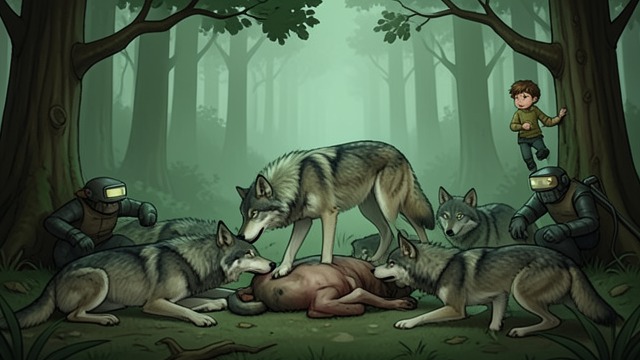
Violence Regulated
Rules of Prey
The Law of the Jungle restricts man-killing and discourages needless cruelty.
Social Purpose
Violence is accepted as survival but controlled to prevent wider disaster. The jungle's moral code emerges from practical interdependence.
Shere Khan's Predation
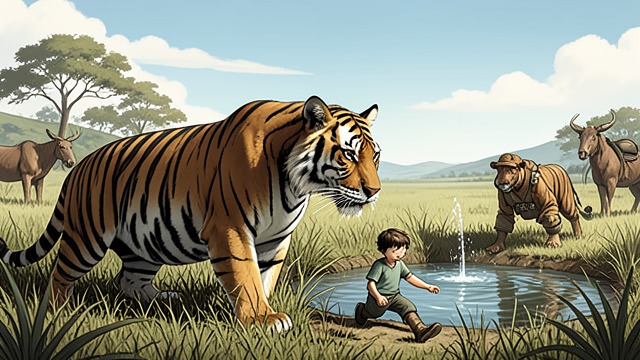
Appetite Without Legitimacy
Breaking Custom
Shere Khan hunts a human child in another predator's territory.
Consequences
His violence threatens to bring human retaliation upon every animal. The story condemns predation that ignores communal limits.
Defensive Mongoose Violence

Killing to Protect
Immediate Threat
Rikki-tikki-tavi kills Karait, Nag, and Nagaina because they threaten the household and garden.
Moral Framing
His violence is praised because it ends a continuing danger. Protection, not appetite, distinguishes his actions from the snakes' predation.
Kotick's Required Fight

Violence for Migration
Reluctant Combat
Kotick fights the seals who refuse to believe in the safe rookery.
Instrumental Force
He uses violence to defeat resistance to safety, creating a moral paradox: the reformer must temporarily imitate the dominance he seeks to replace.
Mowgli's Controlled Revenge
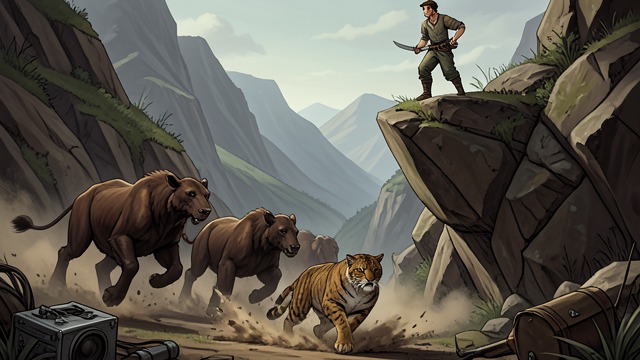
The Tiger's Death
Planned Killing
Mowgli arranges Shere Khan's death through buffaloes rather than confronting the full-fed predator directly.
Limits of Revenge
He claims the hide but spares the village for Messua's sake. Violence settles an old debt without becoming indiscriminate destruction.
during Mowgli's early education
the night of Mowgli's arrival
during the garden war
during the final beach confrontation
after Mowgli's village expulsion
