
Human and Animal Governance
The Jungle BookThis flow compares the social systems of wolves, seals, elephants, and military animals.
increasing Bearing strength in each event
 decreasing
Bearing strength in each eventdecreasingWolf Council
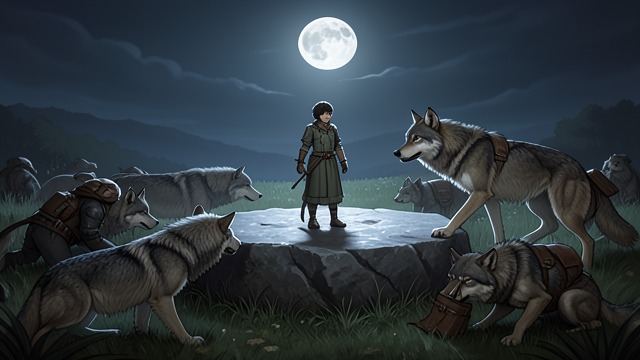
Deliberation at Council Rock
Visible Procedure
The wolves inspect cubs and listen to advocates before deciding Mowgli's status.
Fragile Justice
The council offers a model of collective governance, but its integrity depends on leaders resisting pressure from predators and factions.
Seals and Beach Rules
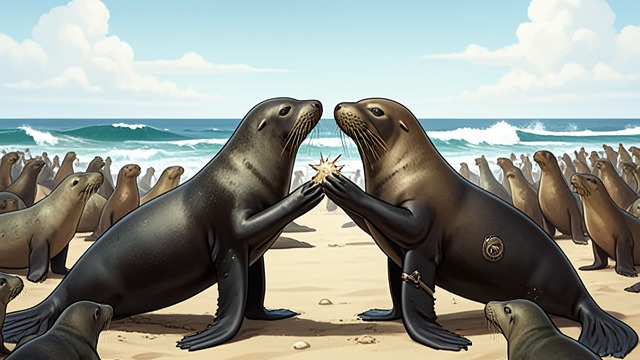
Combat as Administration
Territorial Allocation
Sea Catch fights for nursery space according to the Rules of the Beach.
Customary Order
The seals' governance is embodied in repeated behavior rather than formal councils. It works internally but leaves them poorly prepared for an external industrial threat.
Elephant Assembly
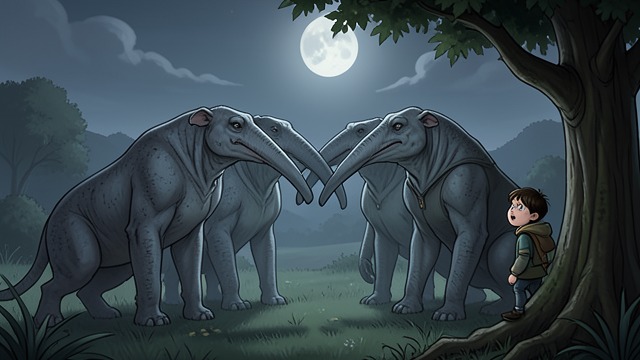
A Society Beyond Humans
Collective Ritual
Elephants gather, communicate, and stamp a shared space without human direction.
Unreadable Governance
Little Toomai witnesses organization but cannot translate its purpose. The scene insists that animal societies may possess order without being legible to human institutions.
Military Hierarchy
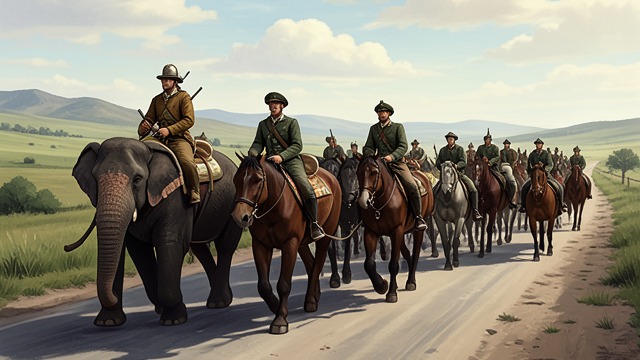
Command from Above
Nested Obedience
Animals obey drivers, who obey officers, who obey the Viceroy.
Efficient Unity
The hierarchy creates coordinated movement across thousands of bodies. Its power lies in reducing individual uncertainty, though it also suppresses independent choice.
The Bandar-log Vacuum
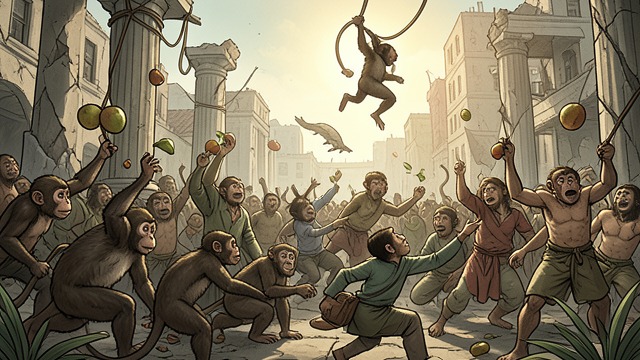
Society Without Institutions
Crowds Without Leadership
The Bandar-log proclaim laws and leaders but never sustain either.
Governance by Impulse
Their failure clarifies why memory, procedure, and shared restraint matter. A community is not created by numbers or slogans alone.
at Mowgli's first council
during Sea Catch's reservation fights
before dawn at the hidden clearing
during the Rawal Pindi review
at the Cold Lairs
