
Bureaucratic Indifference
The KillerThis flow examines how official procedure and routine normalize violence rather than stopping it.
increasing Bearing strength in each event
 decreasing
Bearing strength in each eventdecreasingThe District as Administration
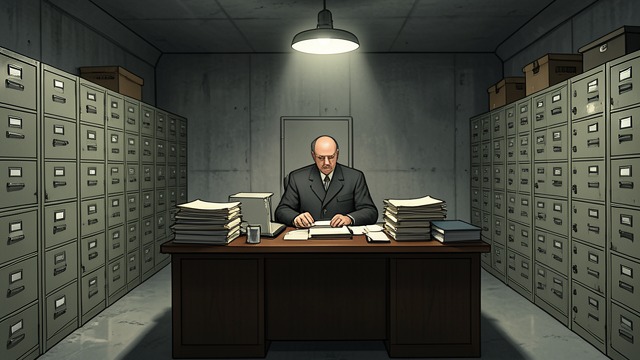
The District as Administration
Managed Perfection
The Architect describes the Radiant City through records, departments, and technical regulations.
People as Files
His attention repeatedly returns to official duties even while Bérenger tries to discuss hope and human experience.
Murders as Routine

Murders as Routine
Familiar Crimes
The Architect explains the Killer’s method with the calm precision of a routine report.
Normalized Danger
The public knows the pattern, yet routine knowledge produces neither safety nor urgent collective action.
The File Closed
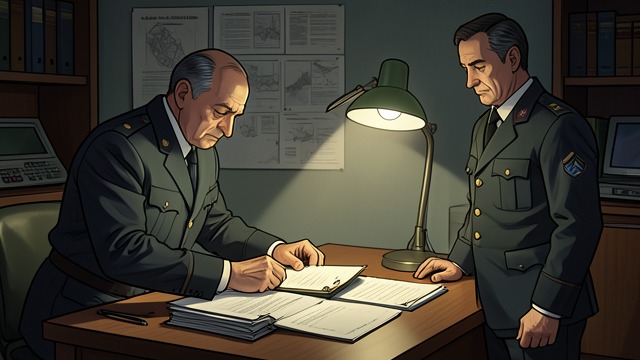
The File Closed
Procedure Without Justice
The Architect reports the latest death and closes the case for lack of evidence.
Official Self-Protection
The institution records suspicion without risking the effort required to pursue it.
Proof Without Delivery

Proof Without Delivery
Procedure Obstructed
Bérenger has documents that appear decisive, but the briefcase is lost and officials offer no meaningful assistance.
Failure of Access
The system’s promise of lawful remedy remains theoretical when citizens cannot deliver evidence or obtain attention.
The Citizen’s Impotence
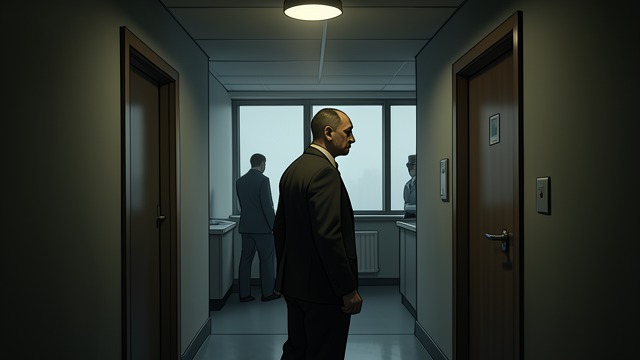
The Citizen’s Impotence
No Institutional Recourse
Bérenger confronts the Killer alone after his path to official help has failed.
Normalized Violence
The ending suggests that bureaucracy’s calm acceptance of murder helps leave violence undisturbed.
During the Architect’s tour
During the Bistro account of the Killer’s method
Immediately after Bérenger leaves the Bistro
During the attempt to reach the Prefecture
At the ending of Act Three
